The Truth About Mercury UV Lamps in Textiles
Think of UV curing lamps as the invisible glue that actually holds a production line together. From the first roll of raw fabric to the final garment, we use mercury-vapor tech to snap inks, dyes, and coatings into place instantly. No waiting around for things to dry.
How the Magic Happens
Here’s the deal: these bulbs excite mercury vapor to pump out a heavy dose of UVC and UVB light. We build them for high intensity because the photoinitiators in your inks need a serious kick to react immediately. It’s all about speed. If you crank up your conveyor belt to move more product, you need more power. If you don’t, you get “under-curing.” That’s the nightmare scenario where ink smudges or just peels right off the fabric. Not a good look.
Getting the Hardware Right
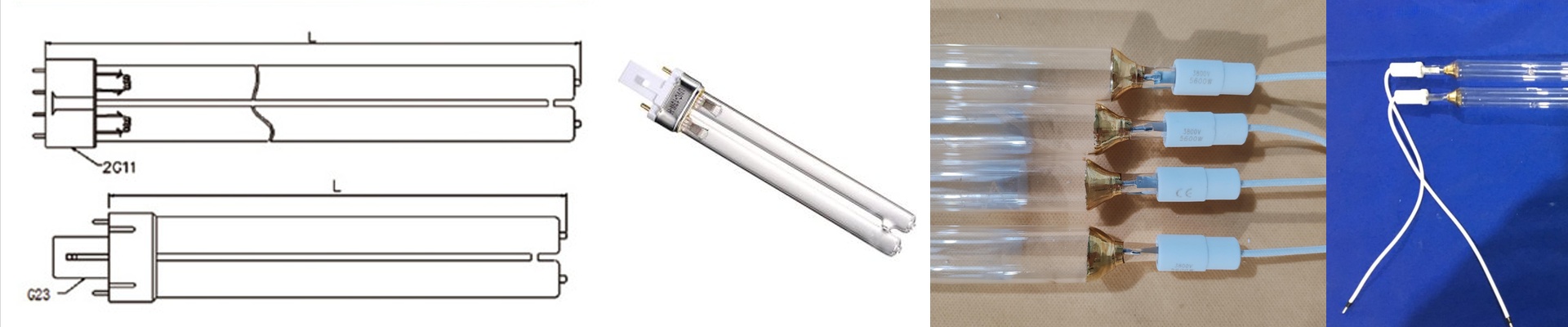
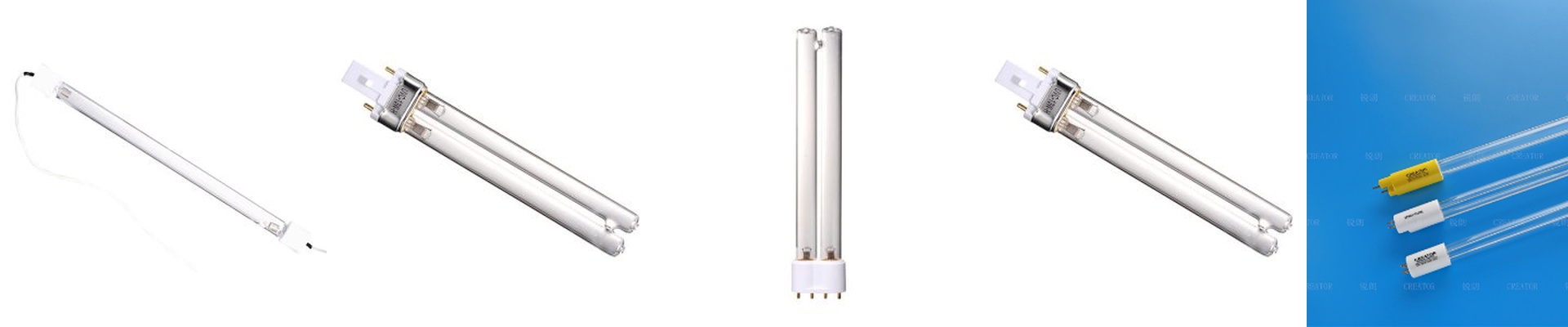
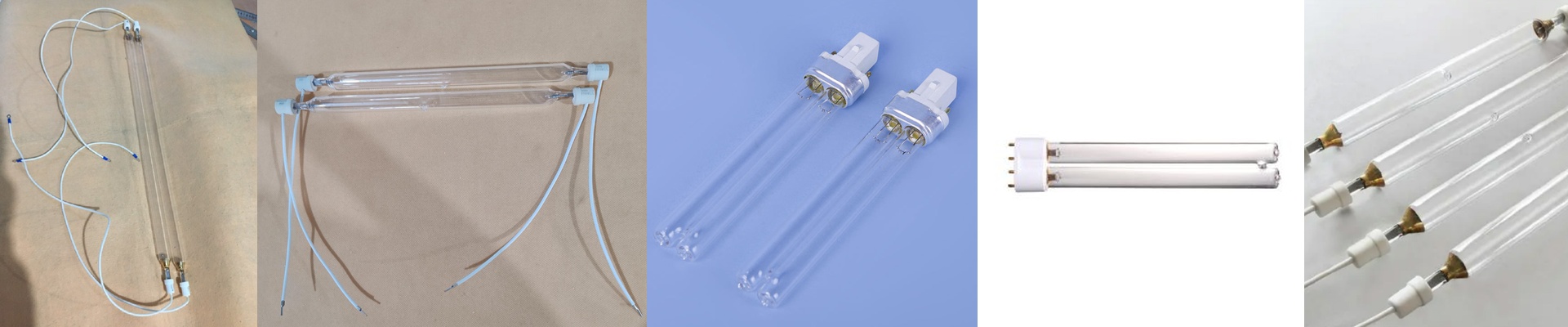
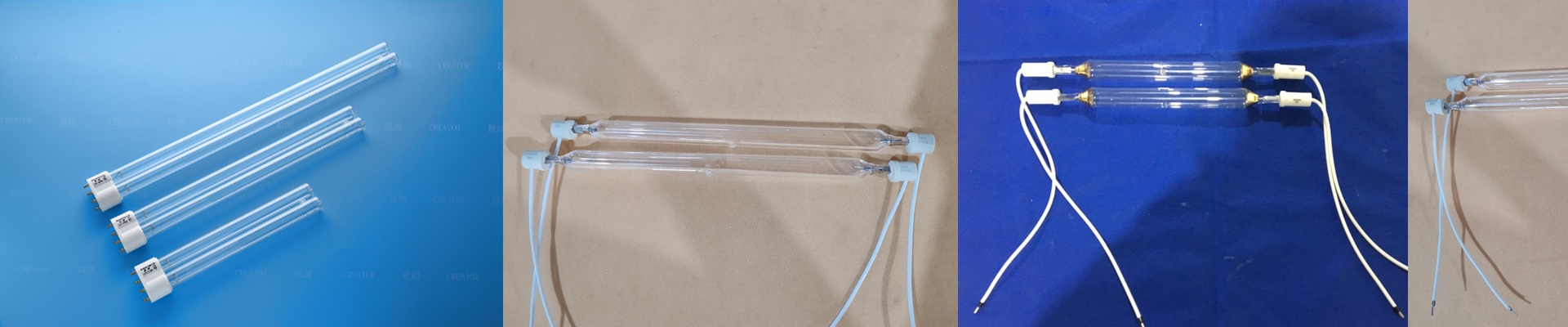
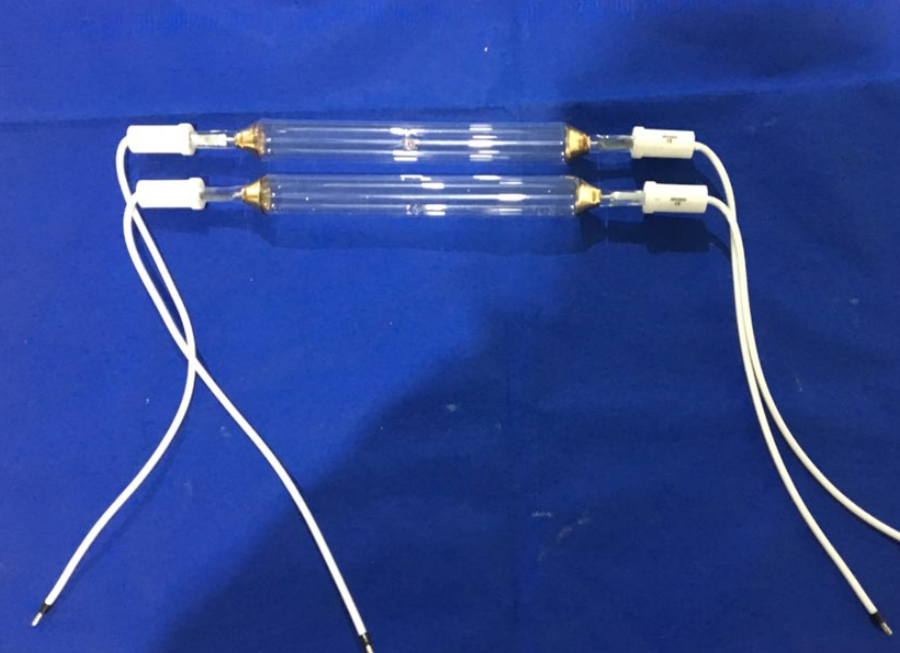
We keep these lamps in standard industrial sizes so they actually fit your setup. Most of them use quartz glass—it’s the only way to let the UV light through while keeping the plasma arc contained. You’ll usually see them tucked into curing tunnels or used in handheld stations. But here is where people usually mess up:the ballast. Matching your lamp to the right ballast is everything. If the voltage is off, your bulb will either flicker or just burn out way too early. Either way, you end up with a ruined finish on your fabric and a headache for your team.
The Real-World Struggle
In a real shop, these lamps handle everything from screen printing to curing synthetic fibers. The bond is strong, and the drying is instant. It feels like magic when it works. But there’s a catch. High-output mercury lamps gethot. Really hot. If your cooling fans aren’t up to the task, you’re going to scorch your synthetic fabrics or warp the material. It’s a delicate balance between getting enough UV intensity and not melting your product. My best advice? Keep a close eye on those lamp temperatures, especially when you’re starting and stopping the line all day. Thermal shock is a silent killer for these bulbs.