Getting the Most Out of 120W/cm Mercury UV Lamps
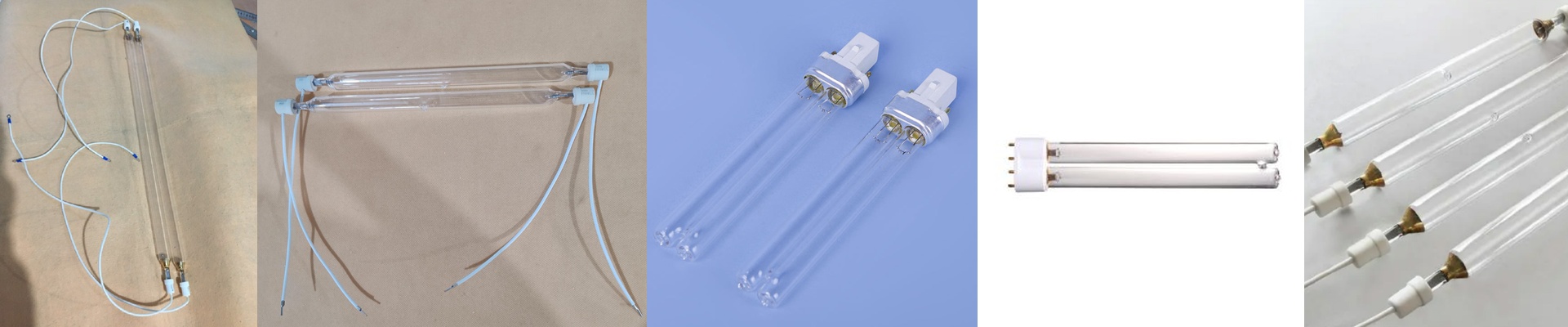
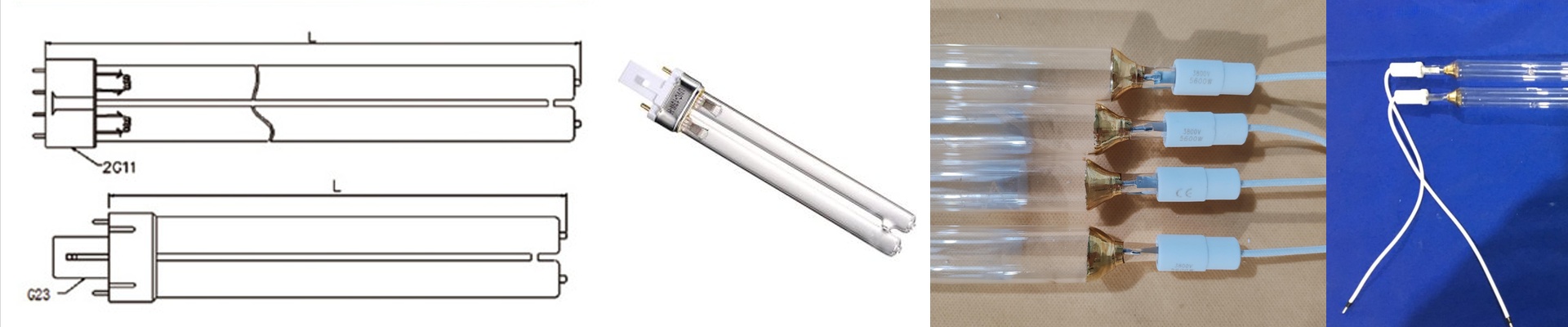
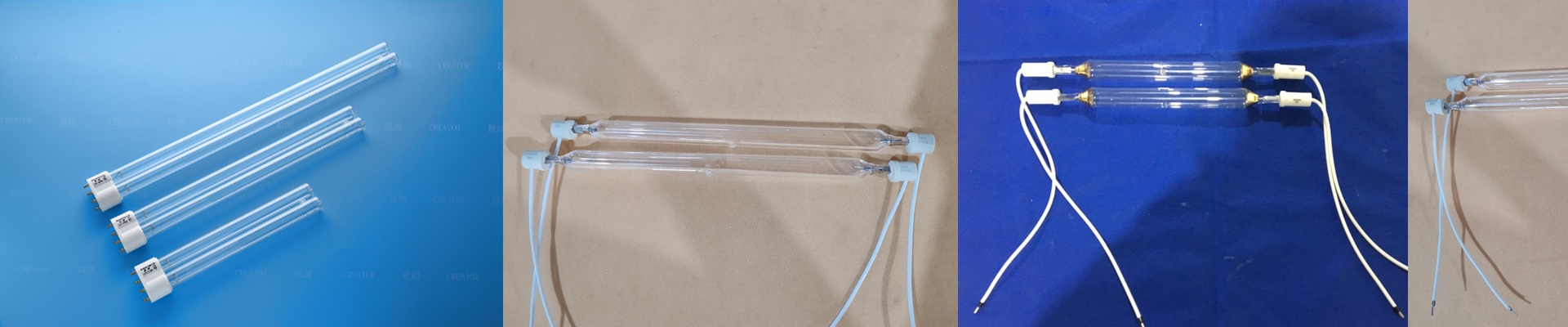
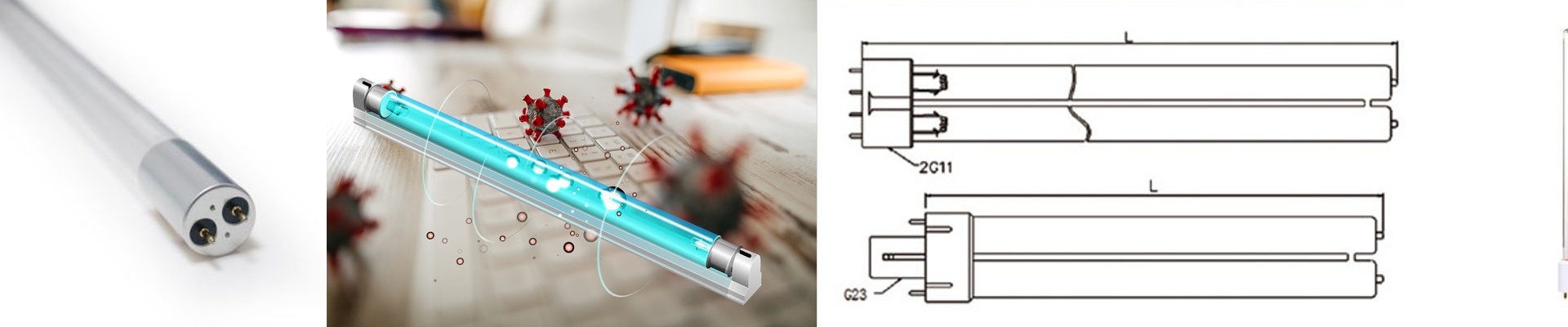
Most people look at a UV lamp and just see a tool for drying ink or glue. But when you’re actually on the floor, it’s more like a precision energy delivery system. A 120W/cm lamp is basically a powerhouse. It’s all about dumping a massive amount of radiant energy into every single centimeter to get those chemical bonds to snap together in a matter of seconds.
Why 120W/cm Actually Matters
We stick to this 120W/cm spec for a reason. It hits a specific energy sweet spot. When the power density is consistent across the whole tube, you don’t end up with those annoying “cold spots” where the coating stays tacky. It gives you a broad spectrum—mostly UVC and UVB—which is exactly what those short-wave photoinitiators need to actually kick into gear.
Dealing with the Heat
The glass on these things—the quartz envelope—has to be tough. It’s taking a beating from high internal pressure and insane heat. We use high-purity silica so the glass stays clear and doesn’t get cloudy or “solarized” as it ages. But here’s the catch:you have to manage the heat. Pushing 120W per centimeter creates a ton of infrared heat along with the UV light. If your conveyor is crawling or your exhaust fans aren’t pulling enough air, you’re going to scorch your materials or warp the parts. It’s a constant balancing act between how fast you want to cure and how much heat your substrate can actually take.
Making it Smarter
The old way was “set it and forget it,” but that’s a recipe for waste. Now, we’re hooking these lamps up to closed-loop systems. If you pair that 120W/cm output with real-time radiometers, you can tweak your line speed or power on the fly. It’s a much better way to work. You stop over-curing your parts and you stop burning through lamps faster than you need to. Plus, if you link it to your PLC, you can track the actual hours on the clock and swap the lamp out before it dies in the middle of a production run. That saves a lot of headaches.