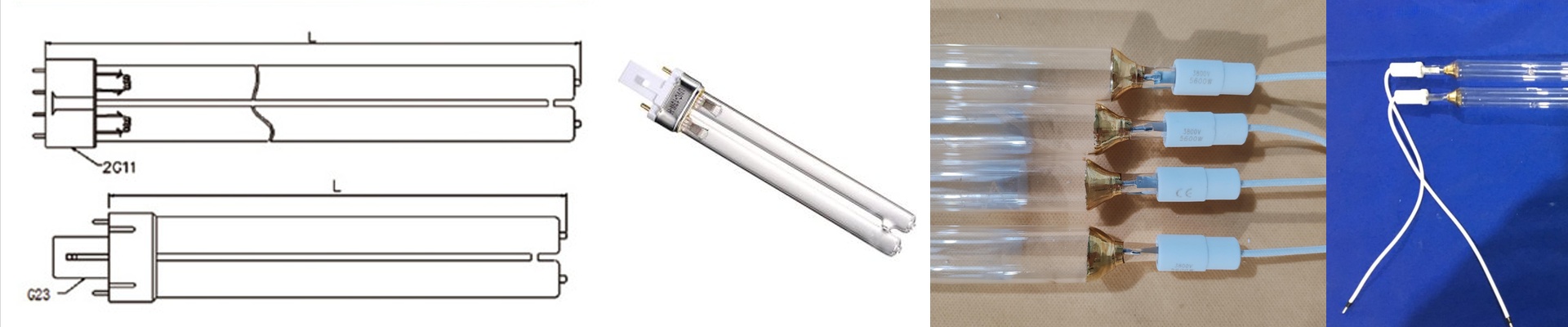
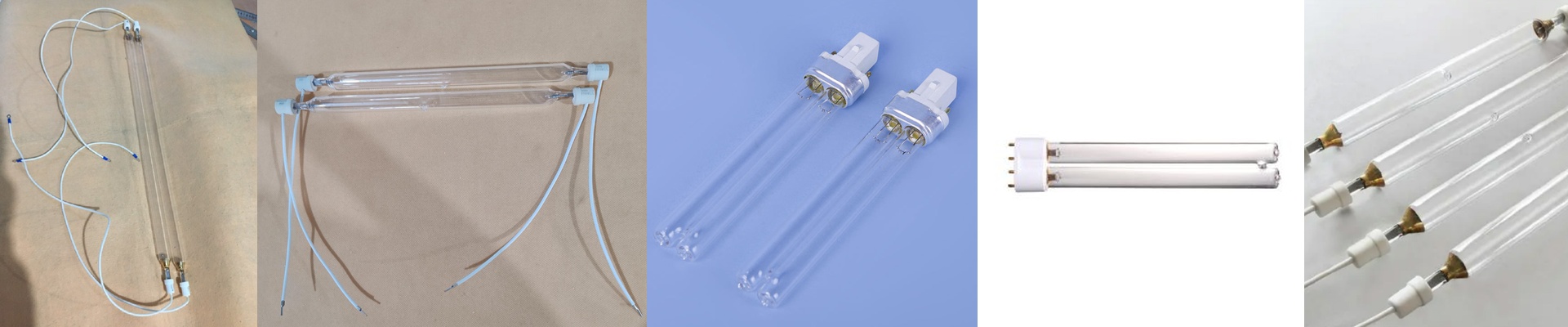
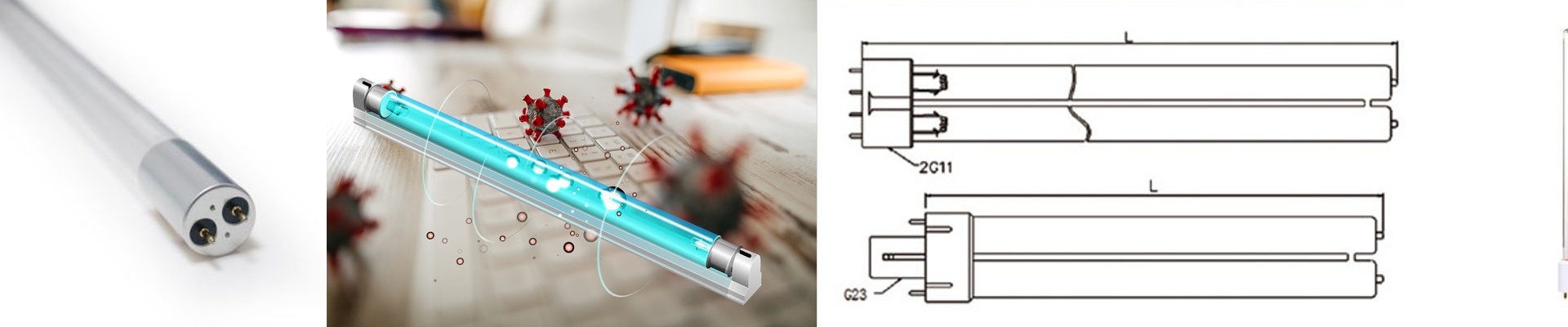
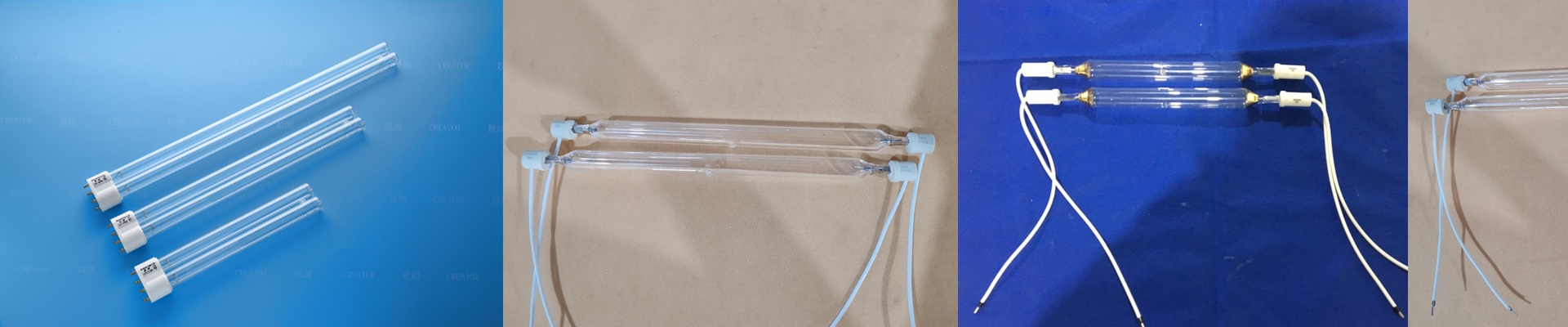
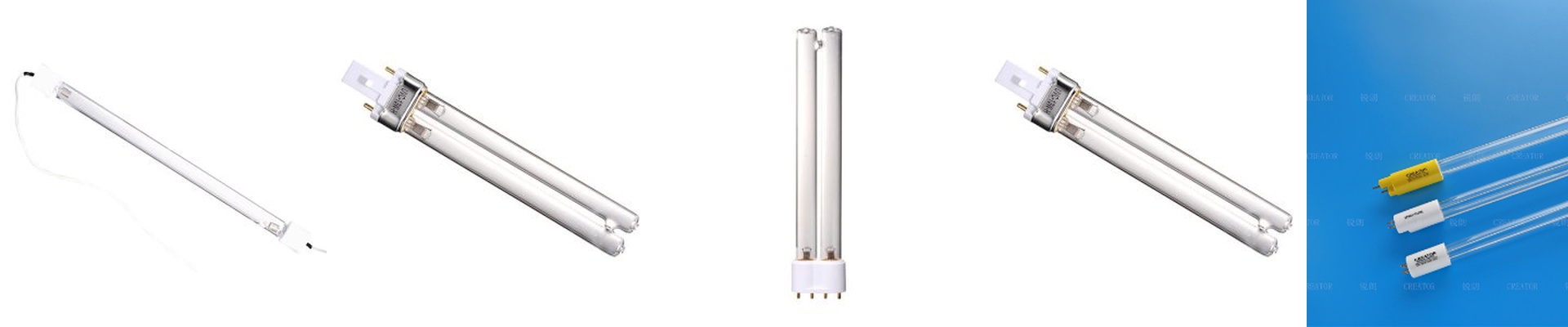
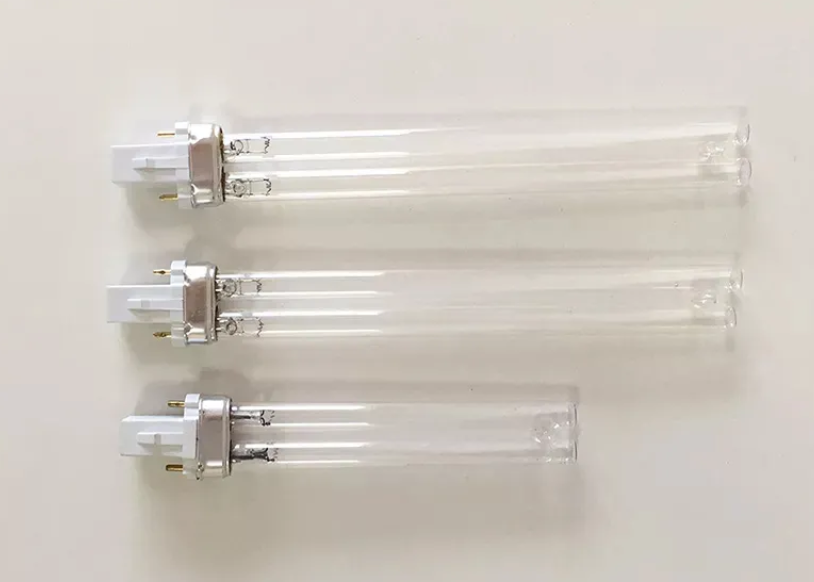
On the automotive parts line, powder-coated components need a drying profile that’s fast, uniform, and repeatable. Run IR alone on complex geometries and you’ll fight thermal gradients—uneven cure, and throughput that drags. The practical fix is a hybrid approach: IR preheat, then a high-pressure mercury UV lamp to finish the cross-linking. What matters technically Our high-pressure mercury UV lamp puts out a stable spectrum with strong peaks at 365nm, 405nm, and 436nm—right where the photoinitiators in UV-curable powder systems absorb. Peak irradiance at the substrate hits 8–12 W/cm², so you can land 800–1200 mJ/cm² in seconds. The ozone-free quartz envelope and dichroic-coated reflectors keep spectral efficiency up and substrate heat load down. You’re looking at 5,000+ hours of stable output, with less than 5% irradiance drop at rated power. Why it works in automotive accessory production Run the hybrid IR+UV profile: IR brings the part up to 120–140°C, then the UV lamp finishes the cross-linking. Total cycle drops from 15–20 minutes to under 5, and the cure stays consistent—solvent resistance and mar resistance are there. The 365nm mercury peak drives surface cure without cooking thin sections, while the IR stage ensures through-cure on thick features. And because UV curing is time-bound, not temperature-bound, energy use falls. Things to keep straight Hybrid integration only works when the IR and UV zones are matched and controlled—over-cure and thermal shock are real risks if they aren’t. Match lamp power to line speed and substrate reflectance; for most medium-speed lines, 200–300 W/cm is the right neighborhood. These lamps run at high voltage, so insulation and interlocks are non-negotiable. Also, confirm the powder formulation is compatible with mercury UV spectra—some are tuned for LED wavelengths and will underperform here.