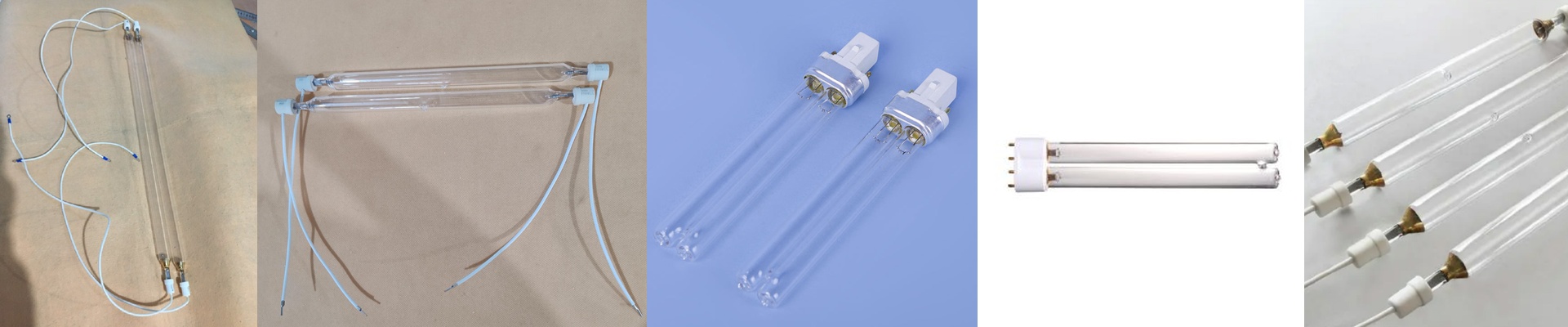
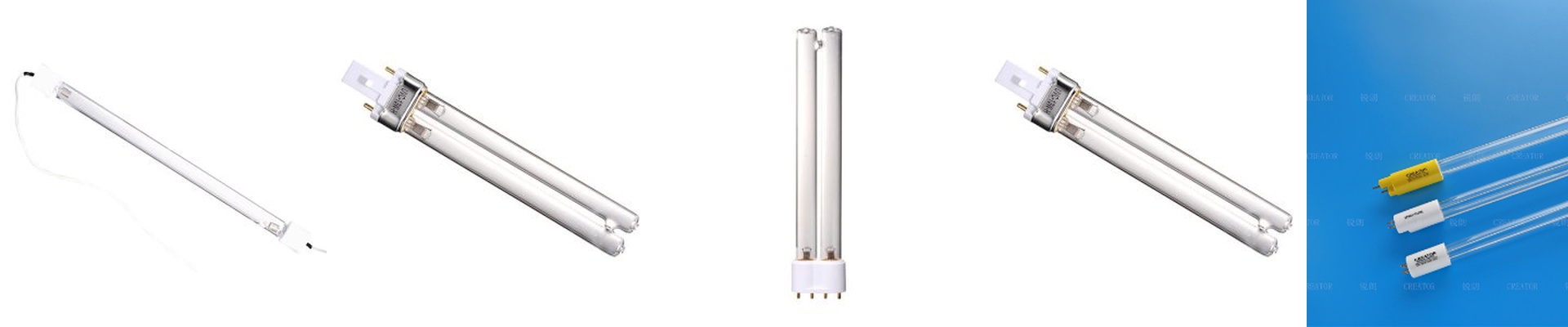
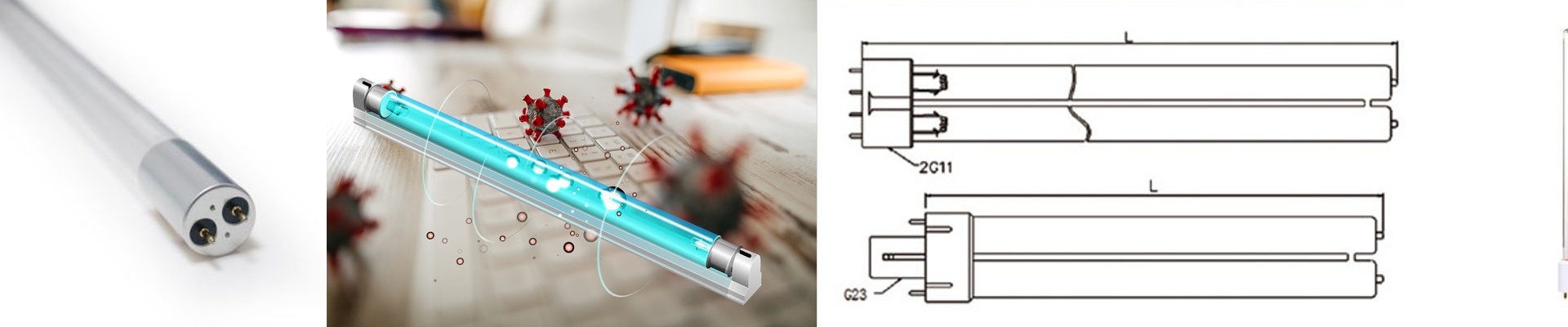
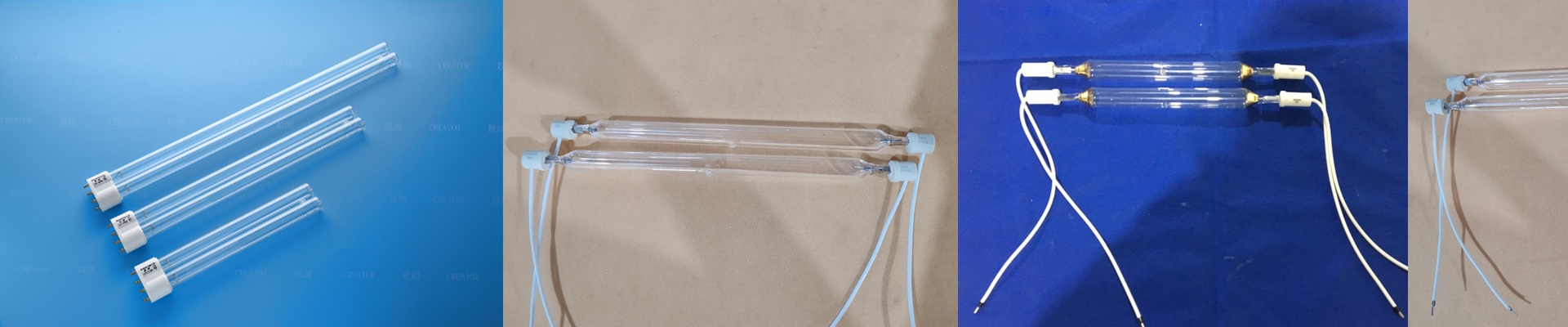
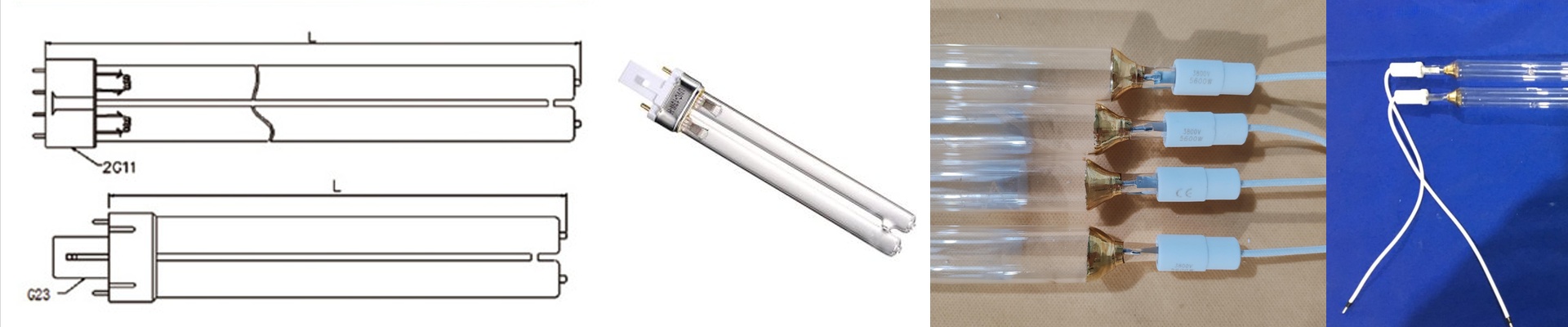
On the screen floor, “waiting for dry” is the silent tax on throughput. The inline press sits idle while ink stays wet, and every pause adds up to hours you can’t get back. To run true spray-and-dry, you need a UV curing system that keeps pace with the press—one that cures the instant the substrate clears the stencil.
What matters, technically
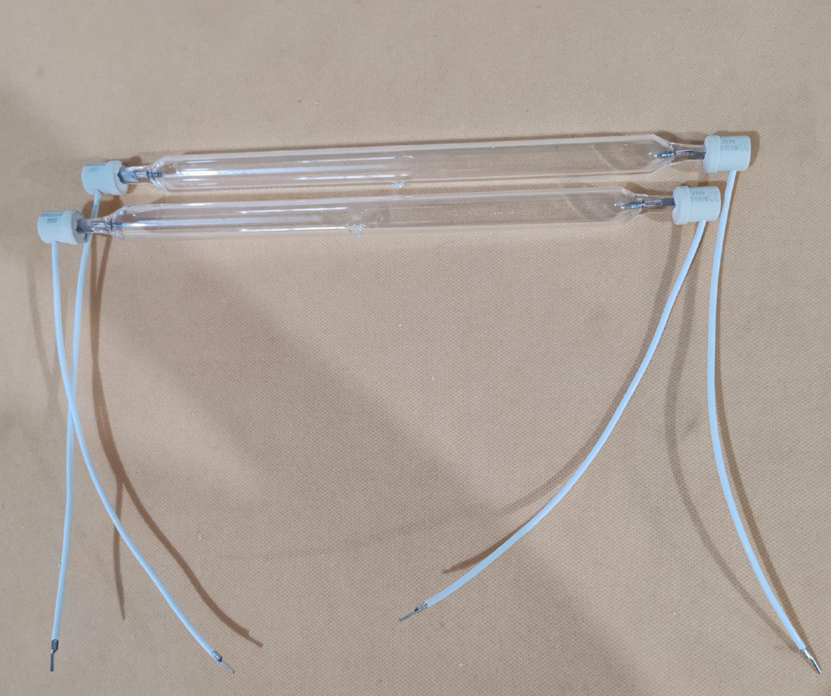
Mercury vapor UV lamps give you broad-spectrum output with a strong 365nm peak. That’s the wavelength that drives deep excitation of photoinitiators in standard acrylate formulations. Pair that with dichroic-coated reflectors, and you get the peak irradiance at the substrate needed for instant cross-linking. We keep energy density stable across the curing window so the ink surface and the base cure together. No tacky top skin. No uncured bottom. Output is managed to hold consistent cure even as lamp temperature drifts, and ozone-free designs keep the workspace safe without extra ventilation overhead.
Why it works for screen
Screen runs in bursts: flood, stroke, flood, stroke. The lamp has to wake instantly and hit full output the moment the print passes. Mercury vapor systems ignite fast and hold the spectral intensity required for a complete cure in one pass, so you can run continuous production at higher line speeds. Fewer stops. Fewer rejects. Dot gain stays under control because the ink cures immediately instead of spreading or bleeding.
The practical details
Match lamp length, focal distance, and reflector geometry to the print area. Mismatched optics give you uneven cure and push the lamp harder than it needs to be. Lamp output declines over time—plan radiometer checks and set replacement intervals to keep dose consistent. And high-intensity curing means you have to watch substrate heat tolerance. Thin films and heat-sensitive materials may need controlled cooling or a staged cure profile.