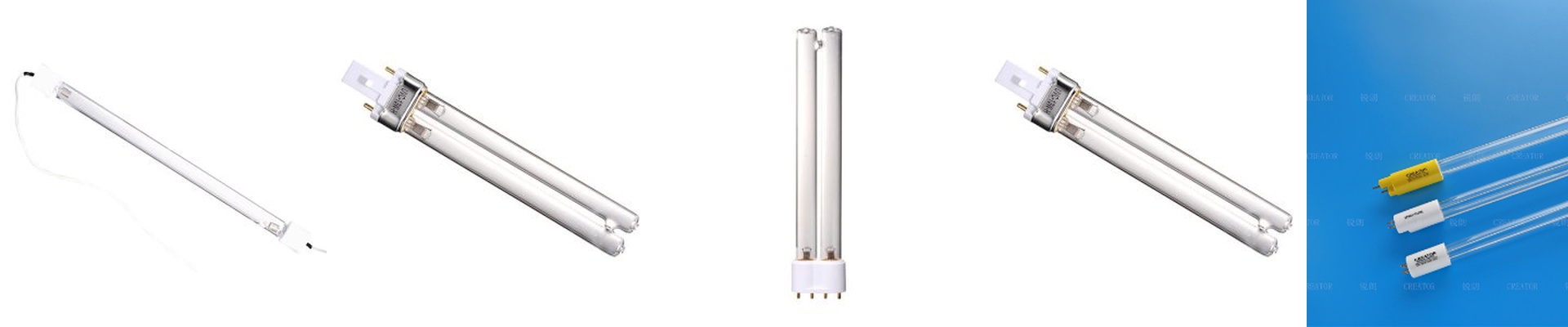
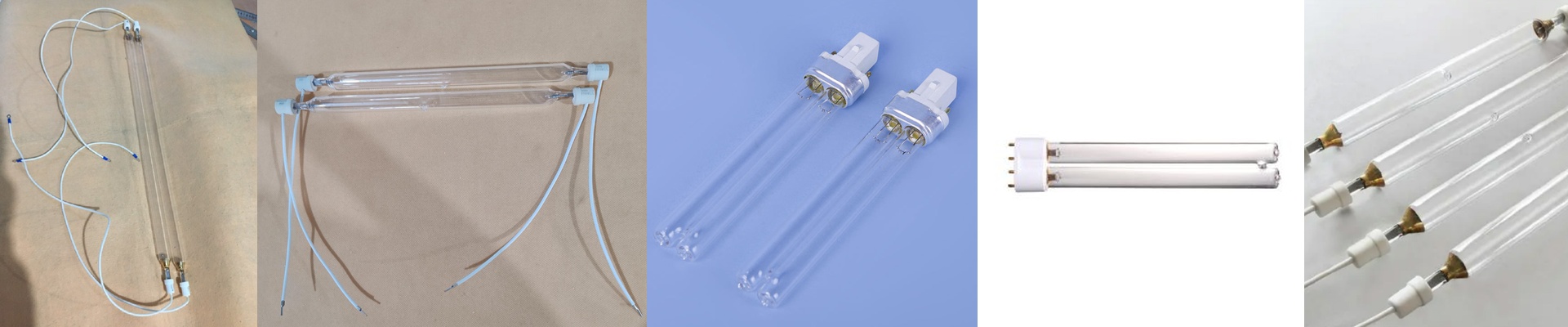
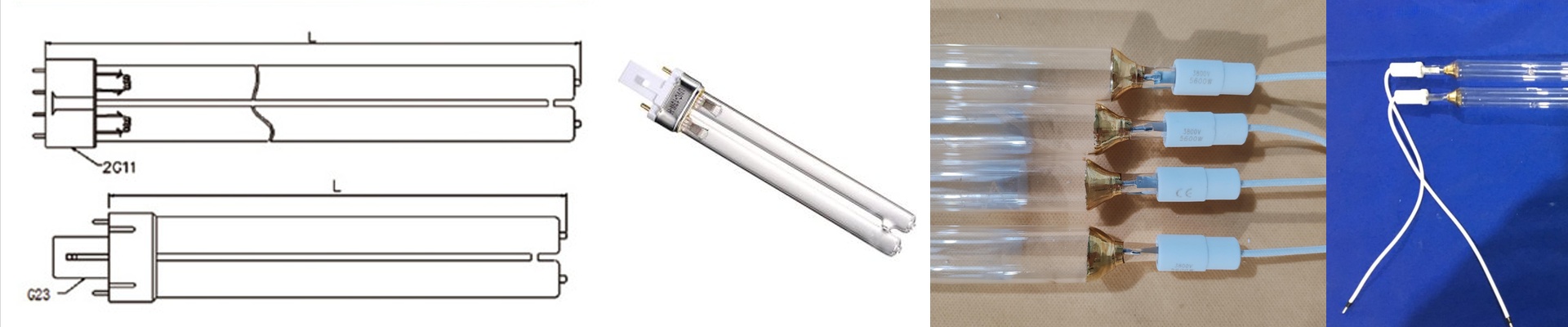
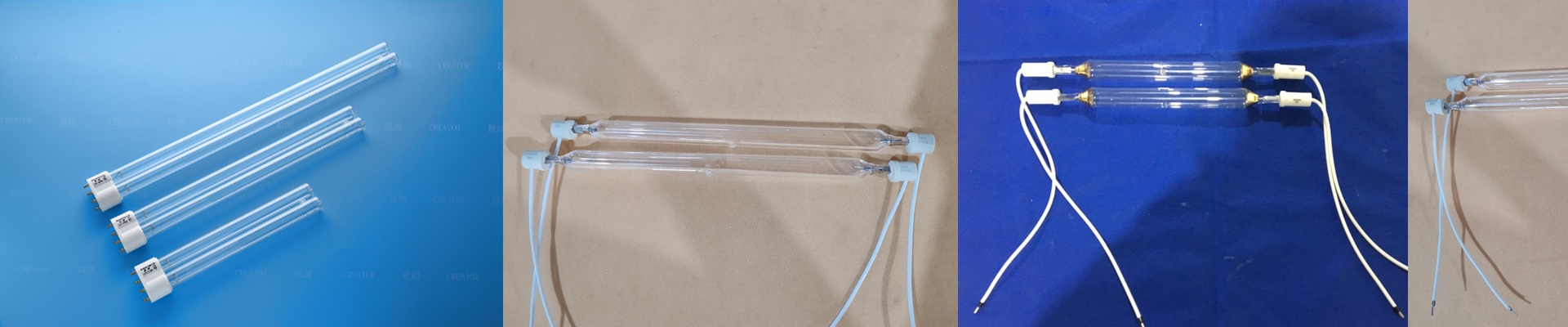
On the floor, a rejected carton or a smeared label isn’t just scrap. It’s lost uptime and margin bleeding away. Global buyers want repeatable cure, not crossed fingers. And CE isn’t paperwork—it’s the engineering discipline that makes our high-intensity UV lamps acceptable in the markets that actually pay for performance. What matters under the hood We design around the photoinitiator, not the wattage. Our mercury vapor lamps hold stable spectral output at 365 nm, with peak irradiance above 12 W/cm² and dose repeatability within ±3% across the web. Power density is tuned so the ink surface hits cross-linking thresholds without cooking the substrate. The reflector uses dichroic coatings to push UV forward and suppress IR, and ozone-free quartz keeps the workspace clean. Lamp life is rated to 5,000+ hours, with output decay held under 5% across the curve. Why it holds up in production CE compliance means the system meets low-voltage, EMC, and machine safety requirements for regulated markets. That means fewer audits, faster customs clearance, and fewer field failures. For you, it means cure speeds you can count on—presses run at rated throughput instead of slowing the line to chase cure. Energy draw drops because the reflector and power supply are matched to the arc, and fewer lamp changes cut spare inventory and maintenance windows. The details that bite you if you ignore them CE marking applies to the complete machine, not just the lamp. Integrate the lamp with the right interlocks, shielding, and temperature management, or the certification goes sideways. There’s a minimum operating distance to the substrate and a required spectral window—step outside that, and dose predictability falls apart. And plan for clean power: voltage sag and harmonics distort the arc and skew spectral output.