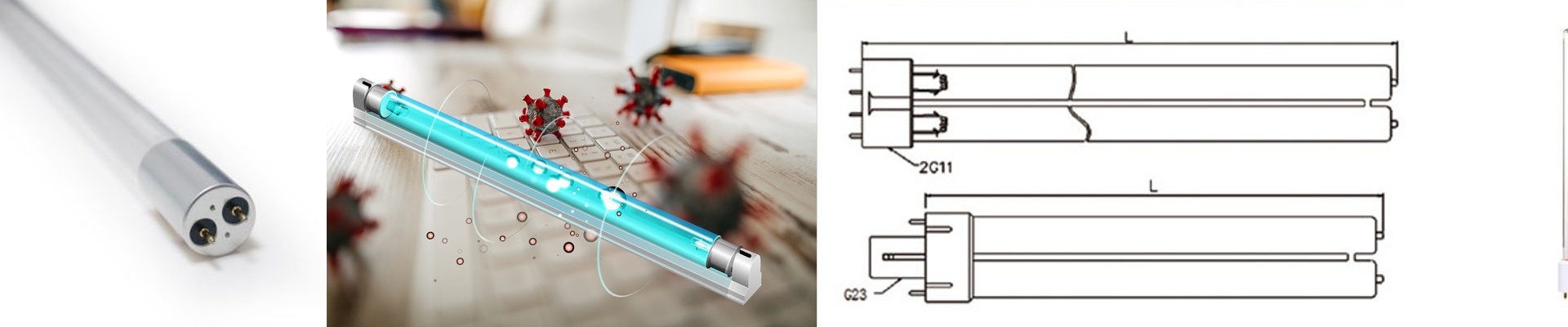
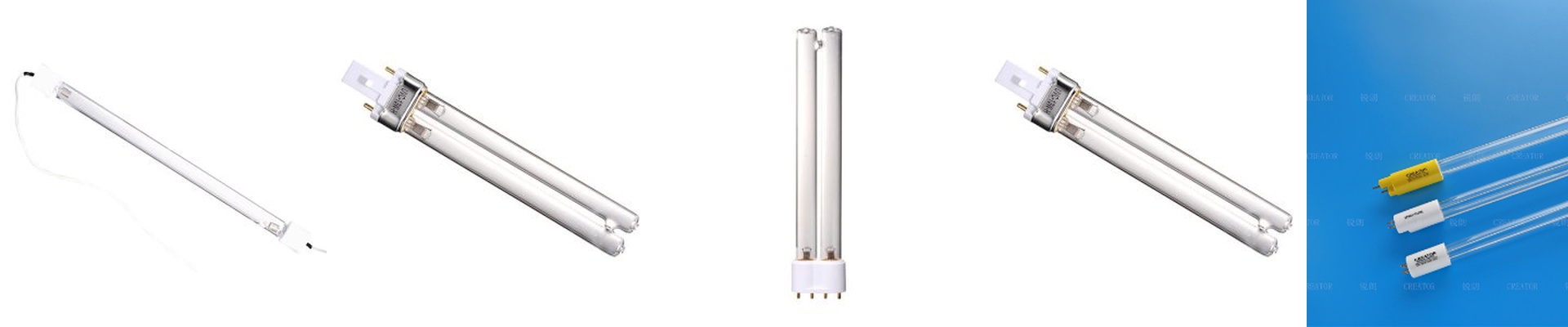
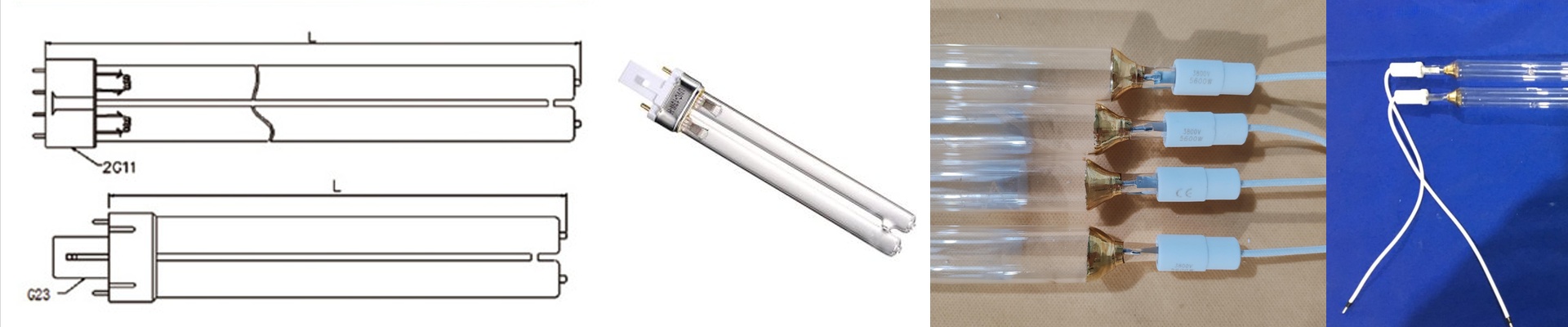
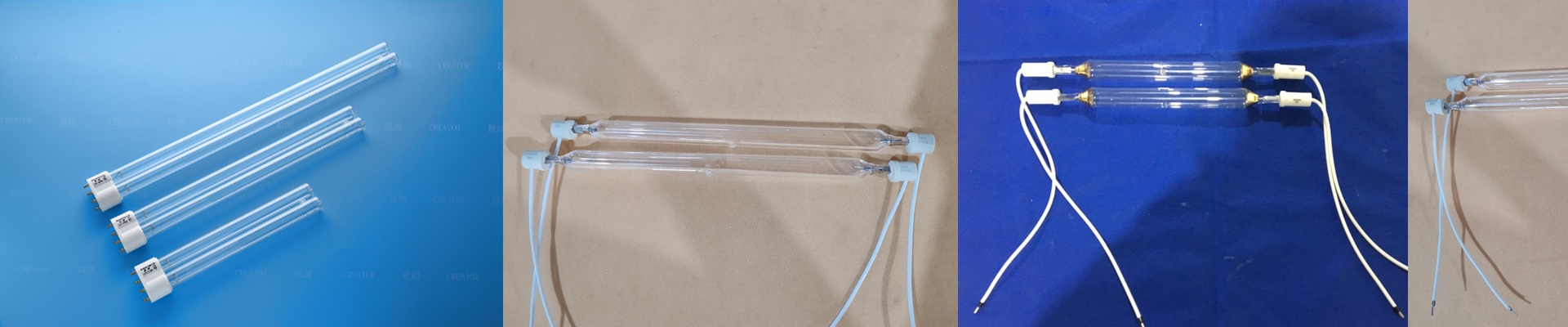
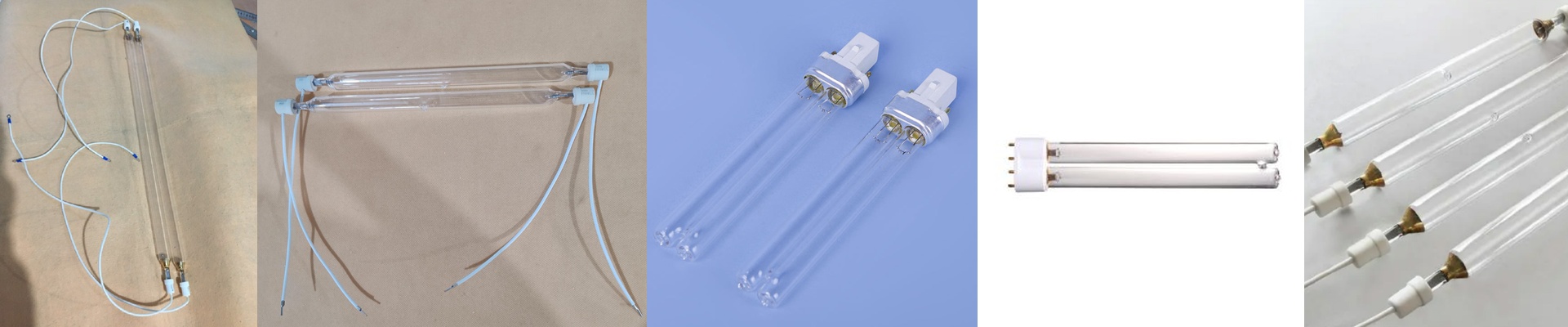
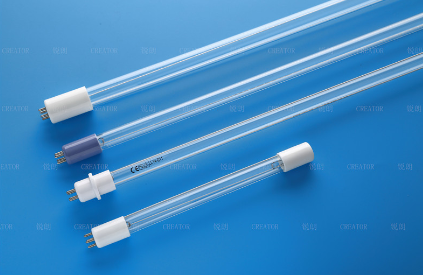
On the press floor, a UV lamp isn’t just another consumable you swap out. It’s the engine behind photoinitiator activation, cross-linking, and the entire curing window. When output falls off, you don’t just lose speed—you get incomplete cure, adhesion problems, and ink that stays tacky. That’s why a Lifegard UV lamp replacement isn’t a parts change. It’s about restoring the energy density your process was built around. You’re running high-speed offset, flexo, or screen with UV inks. Your formulation depends on a specific spectral distribution to hit the photoinitiator package right. If the lamp underperforms, the photoinitiator gets less photon flux, cross-linking lags, and you end up chasing symptoms instead of the root cause.
What actually matters
A UV lamp replacement comes down to physics, not marketing. The only numbers that change what happens on the substrate are spectral output, peak irradiance, and delivered energy density.
- **Spectral output:**Mercury vapor lamps are defined by their dominant emission lines—254 nm, 313 nm, 365 nm, 405 nm, and 436 nm. Your ink’s photoinitiator has an absorption spectrum, and the lamp needs to match it. A Lifegard replacement is engineered to hold the intended spectral profile so the photoinitiator absorbs efficiently and cross-linking proceeds at the rate the process expects.
- **Photon flux and curing energy density:**Curing comes down to irradiance (W/cm²) and exposure time—what lands on the ink layer is measured in mJ/cm². When lamp output decays, the delivered dose drops. A fresh lamp puts that dose back so you can run your intended speed without stretching the cure beyond the press window.
- **Peak irradiance and reflector efficiency:**The reflector concentrates output and shapes the beam. Its dichroic coating is tuned to boost UV and cut IR. A properly matched Lifegard lamp works as a system with the reflector, keeping peak irradiance consistent across the curing zone—not just “brighter” in the center.
- **Lamp life and output stability:**Output decay is inevitable due to electrode erosion, amalgam behavior, and quartz sleeve degradation. What matters is the slope of that decay curve. We design replacements to hold stable output over a defined operating window, so cure stays repeatable without constant retuning.
- **Ozone management and cooling:**Short-wave UV generates ozone, and the lamp and reflector system need to manage it. Ozone-free or low-ozone configurations keep operators safe and cut maintenance. At the same time, the lamp has to run within the press’s cooling limits—stable arc temperature is what keeps spectral output consistent.
Why this matters on your line
You need uptime and repeatability. The promise is straightforward: install the Lifegard replacement lamp and run it within spec, and it delivers the spectral output and energy density needed to complete cross-linking across the substrate. When output is restored, you see it in the work:
- **Cure stays consistent at design speed:**The photoinitiator gets the photon flux it expects, so cross-linking finishes within the press window. No more tacky surfaces, no more off-line post-curing.
- **Print quality settles in:**Dot gain, color density, and surface finish stabilize because the energy dose is consistent job to job.
- **Less scrap from under-cure:**Incomplete cure causes adhesion issues, blocking, and downstream defects. Restoring output cuts scrap and rework.
- **Maintenance becomes predictable:**Replace on schedule, not on crisis. You can plan lamp changes around production windows instead of emergency stops. And when performance is backed by a guarantee, the risk of downtime drops. We stand behind the lamp with a clear commitment: if a Lifegard replacement lamp shows performance decay within the warranty period under normal operating conditions, we move through a defined after-sales process—verify, replace, and support—so your line keeps running. No hedging. No endless troubleshooting loops.
The details that bite you
Lamp replacement sounds simple, but real press environments add constraints. The mismatches that cause failure usually start right here.
- **Match the system, not just the length:**Wattage, arc length, end type, and connector have to line up with the fixture. Get any of it wrong and you change arc temperature, spectral distribution, and how the lamp couples with the reflector.
- **Check the reflector and shutter:**A reflector that’s oxidized, cracked, or out of alignment will crush peak irradiance even with a new lamp. Make reflector condition and alignment part of the replacement routine.
- **Keep operating conditions under control:**Airflow, temperature, and power supply stability directly affect output. If the lamp runs hotter or colder than it was designed for, spectral output shifts and cure consistency drifts.
- **One practical trade-off:**High-output mercury vapor lamps deliver strong UV, but they also throw off significant IR heat. That heat can hit heat-sensitive substrates. You may need to adjust airflow, add shielding, or tweak speed to keep substrate temperature in bounds—especially on thin films. If you’re seeing incomplete cross-linking, tack that keeps rising, or cure that’s uneven across the sheet, don’t start by tweaking the ink. Measure the lamp. Swap in a Lifegard UV lamp engineered to restore spectral output, peak irradiance, and the energy density your process needs. Then run the line at the speed it was designed for—with cure you can count on.