High-Speed UV Lamps: Actually Keeping Up When You’re Running Forensic Prints at 200 M/Min
We build UV systems for the forensic investigation world, specifically for printing work where speed isn’t optional—it’s the whole point. Here’s the reality: when your press is screaming along at 200 meters per minute, your UV lamp can’t be the weak link. It has to deliver steady, repeatable output, minute after minute, without getting moody.
Power that stays steady when the press is pushing hard
High-speed curing is unforgiving. If the energy profile wavers, you get ink that doesn’t fully set. So we design the power architecture to hold the arc steady—even when the machine is vibrating, even when the line voltage dips and jumps. The goal is simple: continuous output, no dips, no surprises. No stops. No quality defects. Just consistent curing, even at 200 m/min.
Built for the press room, not a sterile lab
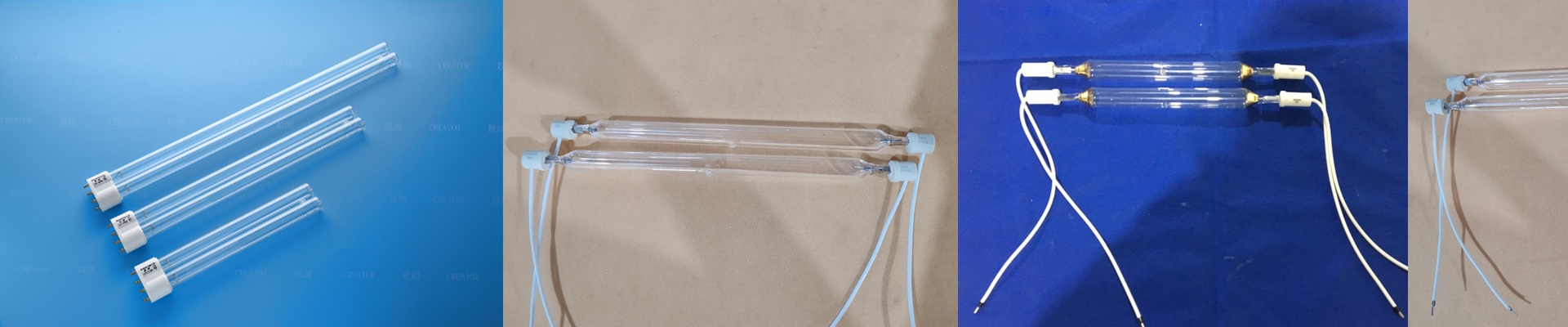
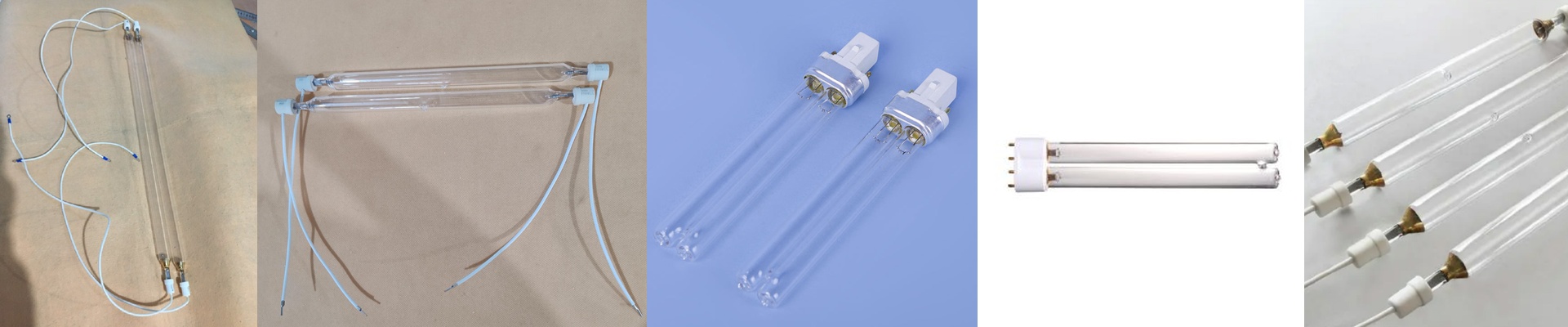
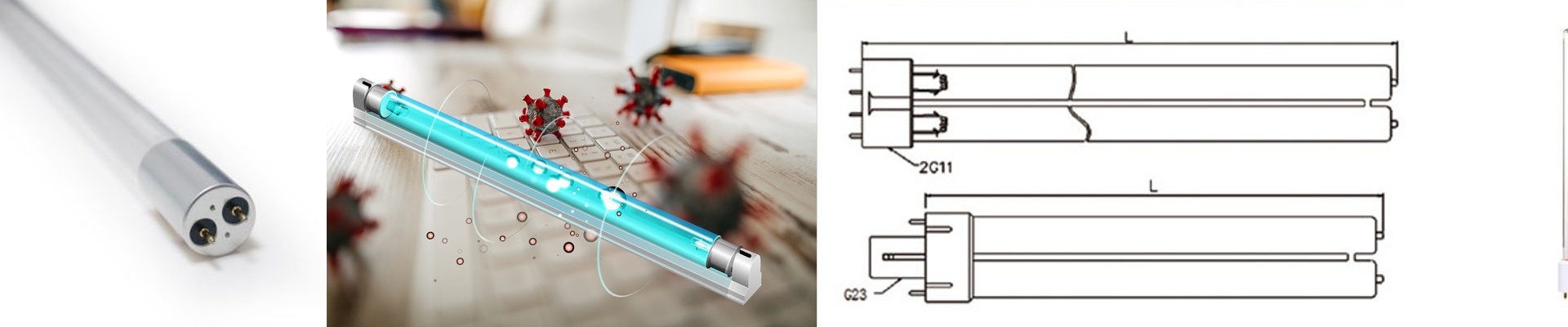
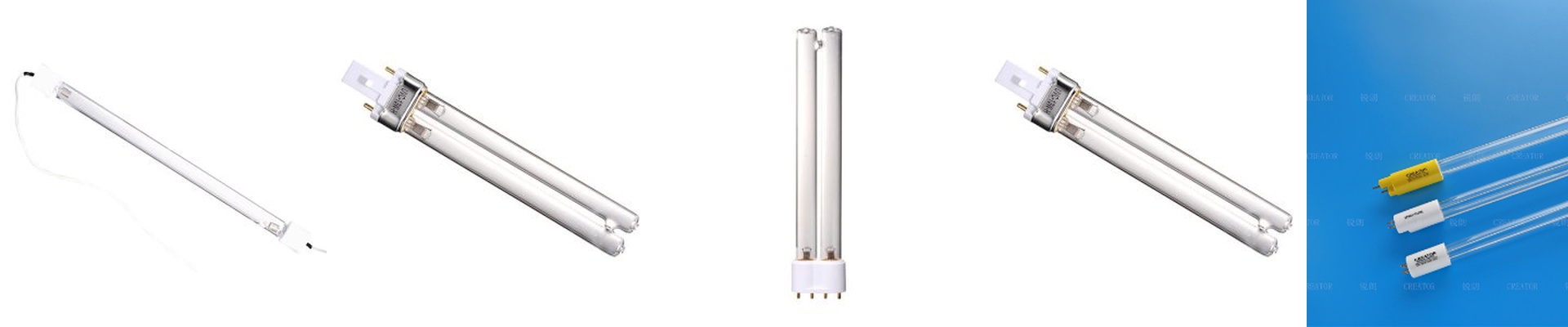
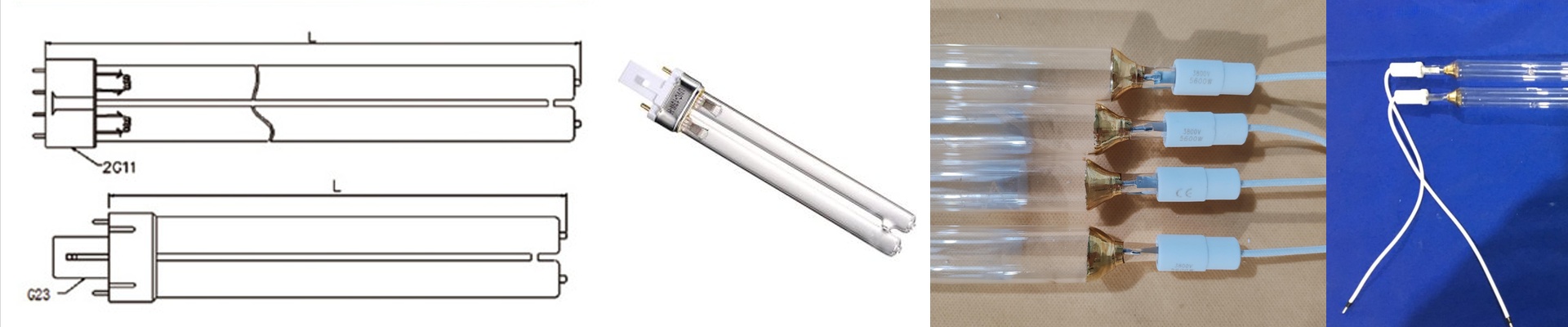
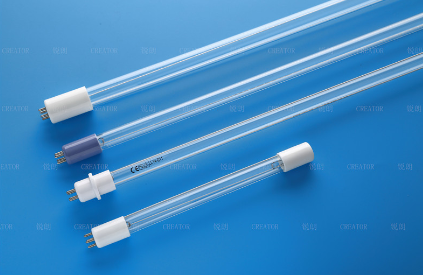
This isn’t a delicate showpiece. It’s meant to live in the press room and take the hits. The lamp body sits on a quartz substrate chosen for high UV transmission and serious thermal shock resistance. It can handle the heat swings. It can handle the pressure. And the R7s connector? It’s rigid, rated for high temps, and locks the lamp in place. That means less contact resistance and no shifting when the press accelerates or decelerates.
The trade-off you should know about—and how to make it work
On a high-speed web press, the lamp has to cure instantly without turning the substrate into a hot mess. We deliver the intensity you need, but yes, there’s a trade-off. Hitting 200 m/min demands high power density, so your cooling and airflow have to be up to the job. If the cooling is undersized, you risk thermal runaway—and you’ll shorten lamp life. But when it’s spec’d right, you get a tough, drop-in setup that keeps the press running and the ink cured. Consistently.