How UV Lamps Make Leak Hunting a Cinch
Here’s the thing about finding leaks: you need the mark to show up instantly, clear as day. That’s why we build UV lamps specifically for this job. We’re talking about curing fluorescent ink in the blink of an eye. The moment the lamp hits the system, it throws shortwave ultraviolet light at the ink. That light gets those molecules excited, triggering a cross-linking reaction right at the leak. The result? A sharp, solid mark that pops against the background. No more squinting. No more guesswork. Micro-leaks don’t stand a chance.
Power and Size: Getting the Details Right
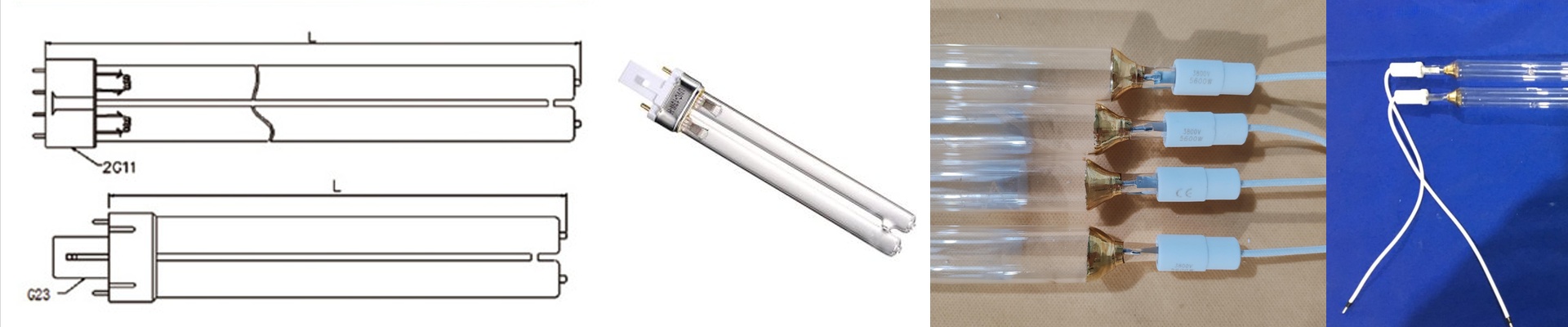
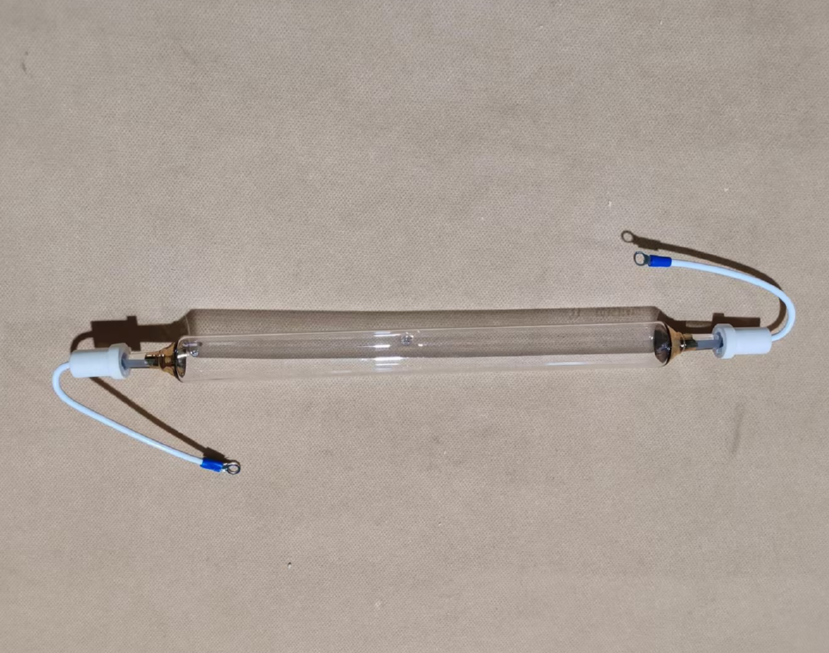
A UV lamp for leak detection has to hit a sweet spot with its power. We tune the energy so it cures fast without turning the surrounding parts into a toaster oven. The voltage and wattage are matched to the length of the lamp, which keeps the arc stable inside the quartz tube. Take a 400V high-voltage setup, for example. It packs a high-intensity arc into a small space—exactly what you need for that instant cross-linking. But here’s the catch: that kind of power generates serious heat. Your equipment has to be ready for it, with cooling that can handle the load.
What It’s Made Of: Quartz, Coating, and Connectors
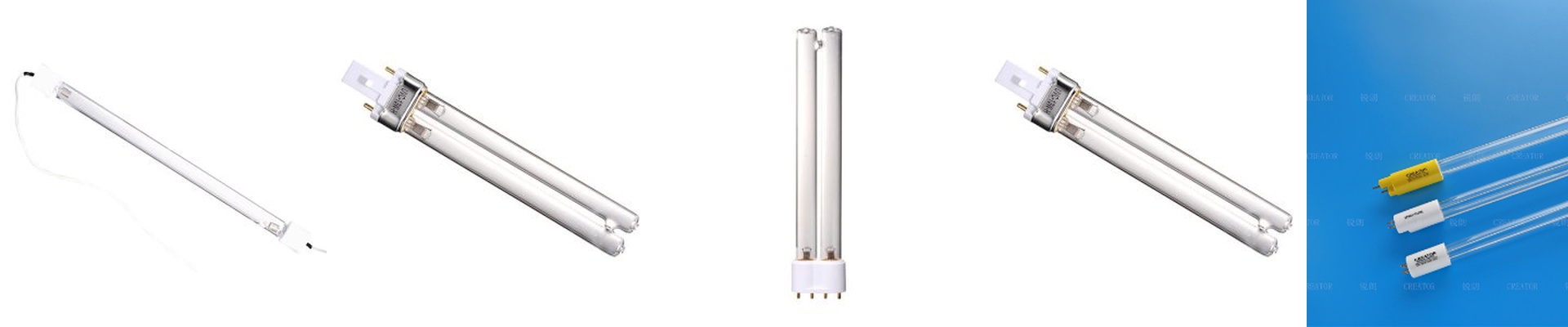
We use quartz envelopes because they let UV light through like a champ and don’t crack when you flip the switch on and off all day. Inside, we fine-tune the coating to shape the light spectrum, focusing on the wavelength that really gets that fluorescent ink glowing. And the R7s connector? It’s the standard for a reason. It handles high current, makes swapping out the lamp a breeze, and keeps everything lined up perfectly in the reflector. This whole design is built to survive the factory floor—tough end caps, solid contact, no fuss.
On the Line: Fast, Repeatable, and Ready
Out on the production line, this setup just works. The lamp fires up instantly, keeps a steady output, and slides right into your existing fixtures as a drop-in replacement. You get serious heat density in a small package, which means faster curing and fewer false alarms. Just remember, that power comes with heat. Make sure your fixture’s airflow and heat sinking are up to the task. Treat the thermal side right, and the lamp will deliver consistent performance, shift after shift.
Why Instant Curing Is a Big Deal for Leak Testing
When the ink cures instantly, your leak checks don’t have to slow the whole line down. The UV lamp hits the ink, triggers that cross-linking reaction, and gives you a clear, durable mark right where the leak is. For engineers, that means faster pass/fail calls, less rework, and a whole lot more confidence in the seals.
Installation and Reliability: Built to Keep Going
We designed this lamp to make your life easier. The R7s interface means installation and replacement are straightforward, so downtime stays minimal. In the real world, the lamp holds steady through thousands of cycles. Just keep an eye on the reflector and keep the tube clean. Think of the lamp as part of the system, not just a bulb, and you’ll get consistent detection performance, day in and day out.
The Honest Truth About Operating Conditions
High-intensity UV lamps deliver the performance you need, but they run hot. Make sure your fixture can handle the heat, and give the lamp some space away from sensitive parts. Output will dip a little over time, so plan on scheduled replacements based on how much you use it. That way, detection stays accurate and you avoid surprise stoppages.
The Takeaway for Your Engineering Team
If you need a UV lamp that cures ink instantly and fits right in, focus on the essentials: the power profile, the quality of the quartz, the coating, and the connector. Match the lamp to your fixture’s thermal design, and you’ll get reliable, repeatable results. That’s how we build a system that finds leaks fast and keeps the line moving.