Introduction
Here’s the thing about UV lamps: they don’t play nice with ordinary circuits. You can’t treat them like a simple resistor. They throw a high-voltage arc that needs careful handling—controlled current and a stable, predictable start. So when you’re running a 400V UV lamp, you need a capacitor that’s built for that moment—the kind that can take the peak voltage, soak up the inrush, and keep your ballast steady from the first cold start all the way to a calm, reliable run.
Technical Deep-Dive
UV lamps are a bit picky. They ask for a starting voltage that’s higher than what your supply provides, then settle into a lower operating voltage once the arc is lit. That’s where the capacitor earns its keep—it helps shape the waveform and keeps the current in check as part of the ballast and ignition setup. Go with a 400V rating, and you’ve got breathing room against those sharp voltage spikes at ignition. It takes the pressure off the component and keeps dielectric stress where it belongs: away from your parts. And the wattage and capacitance? They’re chosen to match the lamp’s actual operating current—not just to hit the highest numbers on the spec sheet.
Material & Design
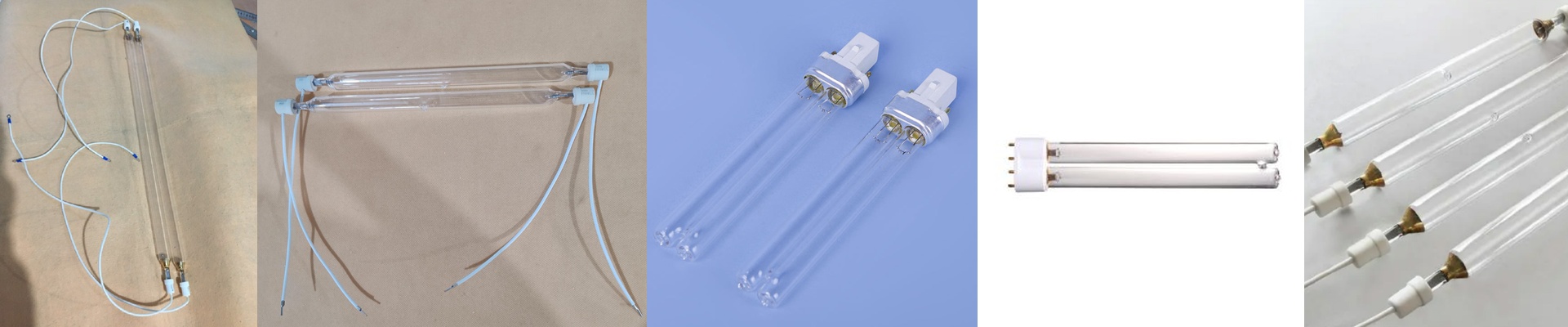
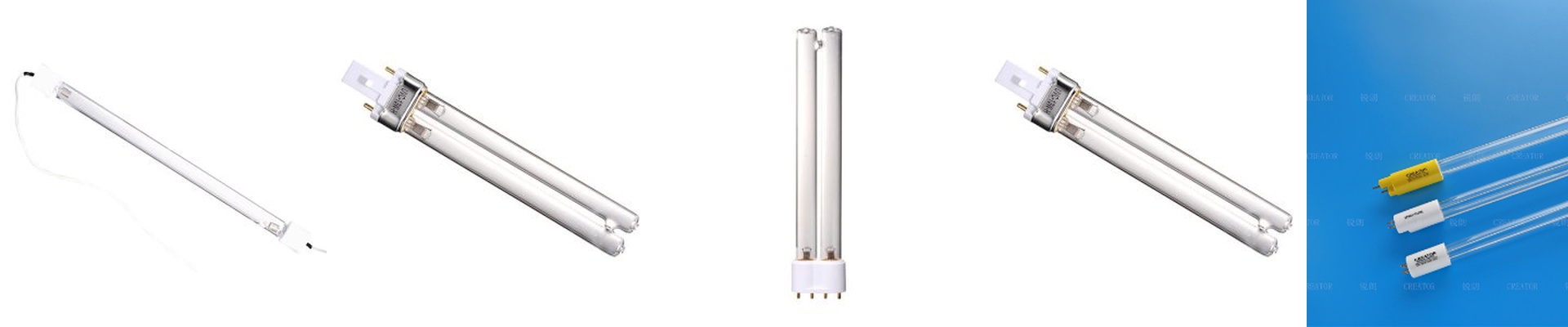
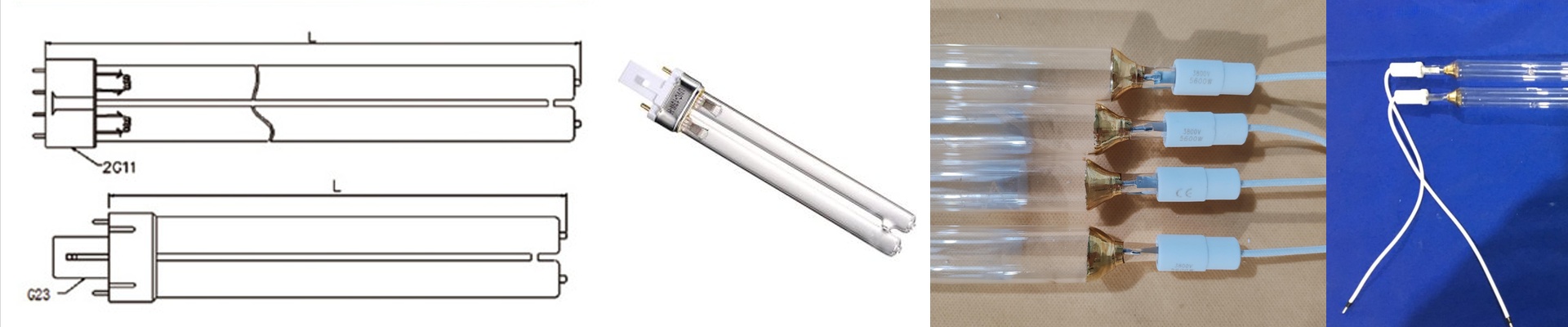
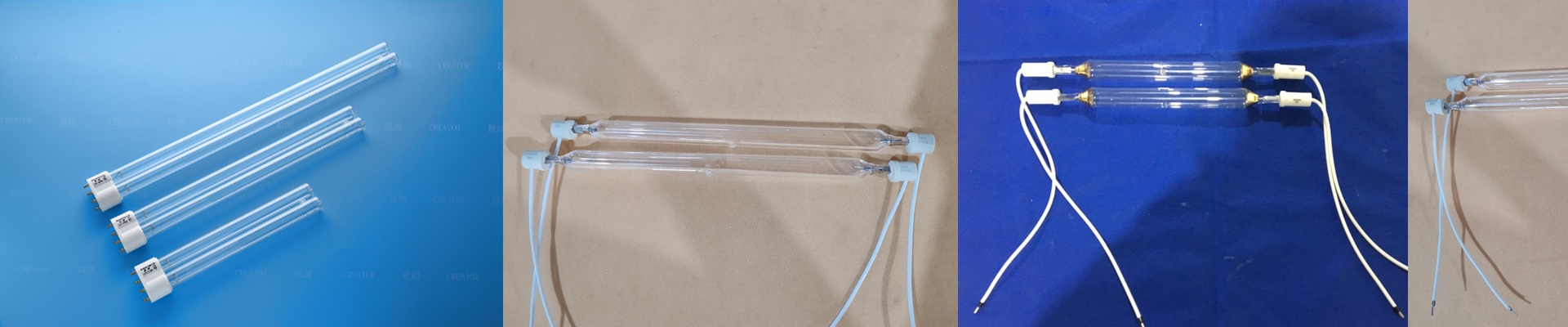
UV lamps usually live inside quartz. It makes sense—quartz lets UV through and can handle serious heat. And the connector you’ll often see is R7s: double-ended, compact, and designed to lock in place cleanly while carrying the load without fuss. Inside the capacitor, we stack up a tough dielectric and keep voltage derating conservative. The trade-off is real: a properly rated capacitor is bigger and costs more. But that extra size and cost buys you starts you can count on—and far fewer failures out in the field.
Application & Benefits
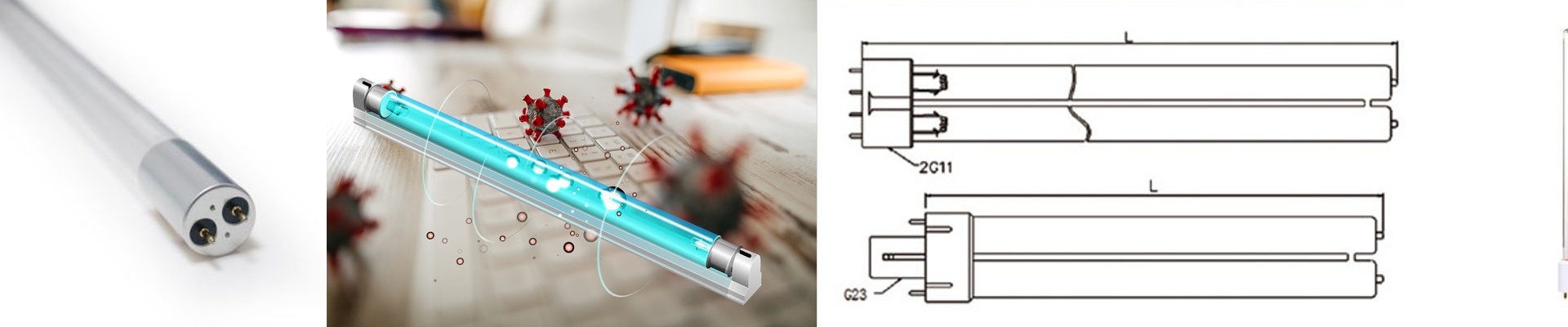
Out on the shop floor, this capacitor becomes the steady backbone of UV curing, sterilization, and printing lines. It tames the current surge, smooths out lamp operation, and saves your ignitor from being hammered over and over. When you match the capacitor to the lamp’s voltage and the connector footprint, you get a drop-in piece that takes the electrical beating—so your control board doesn’t have to. It just works, quietly and consistently.