Making UV Lamps That Actually Work on a Printing Floor
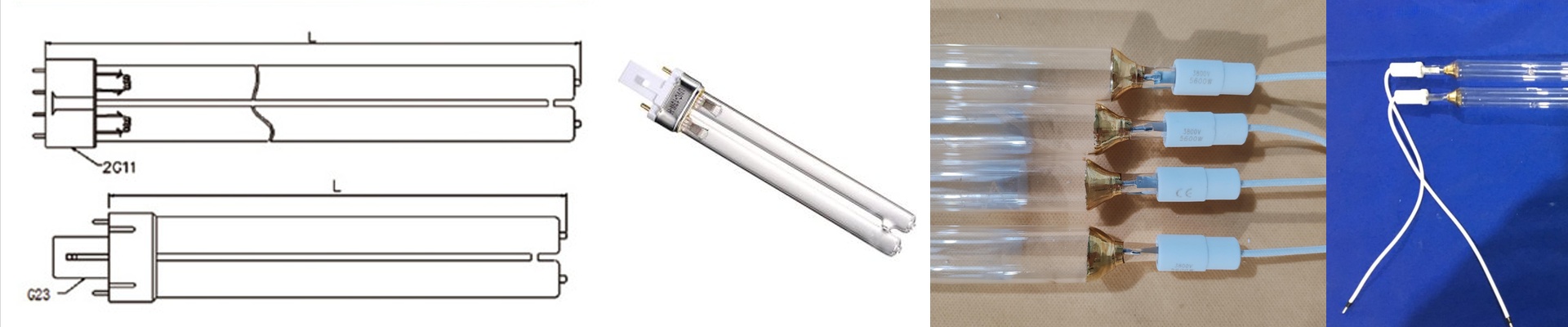
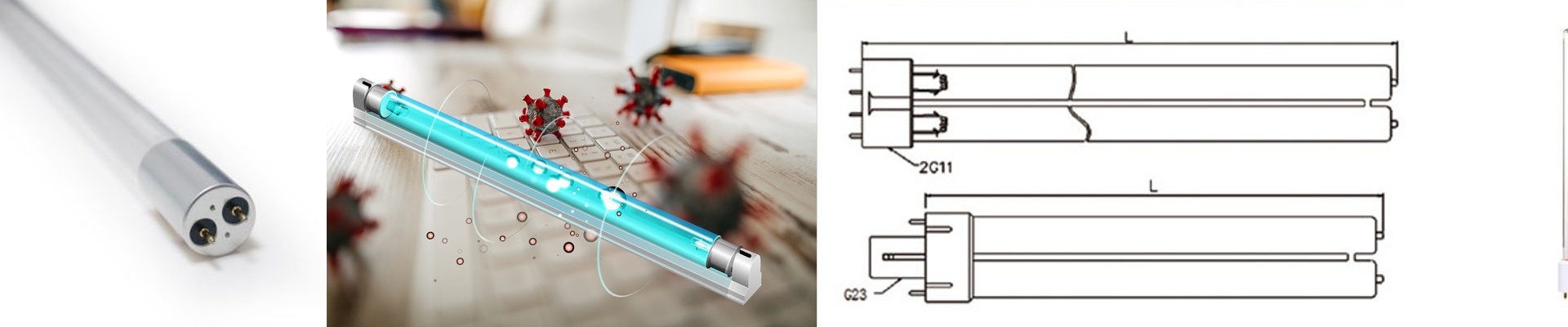
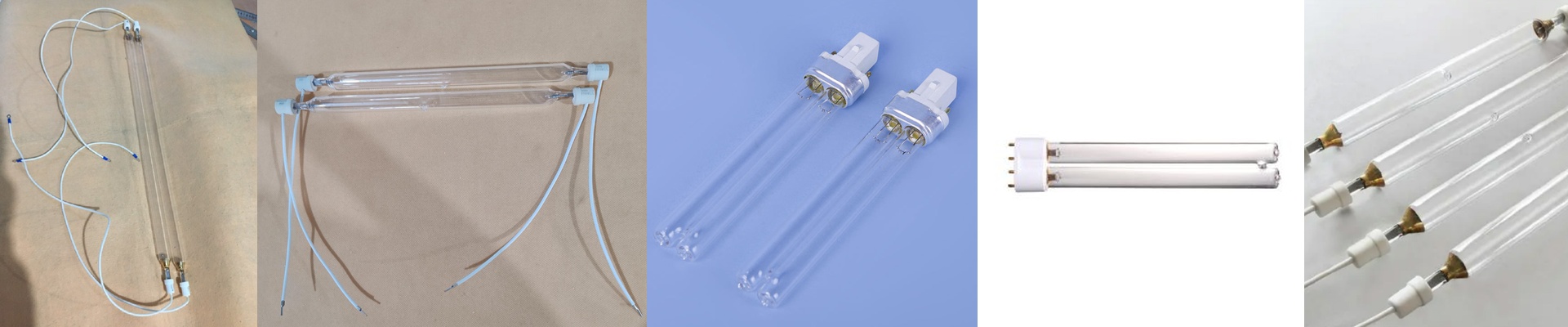
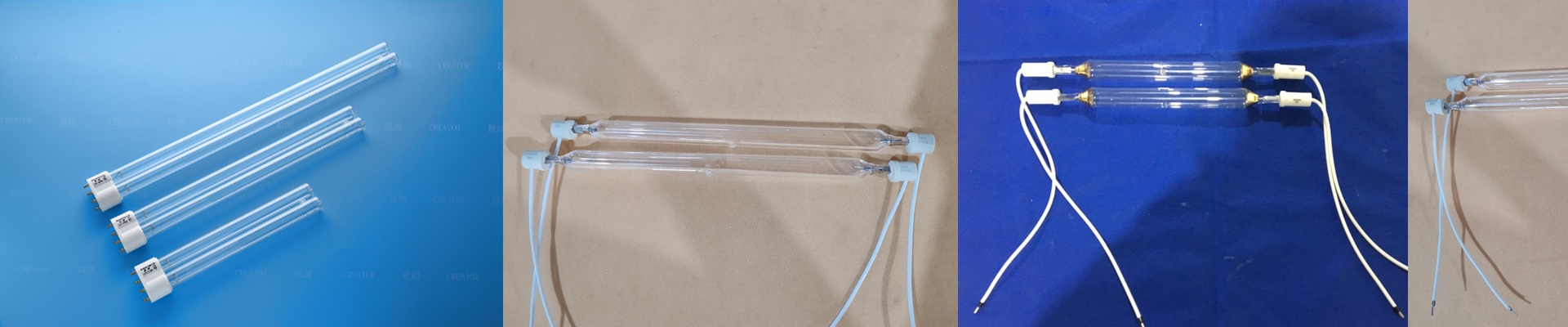
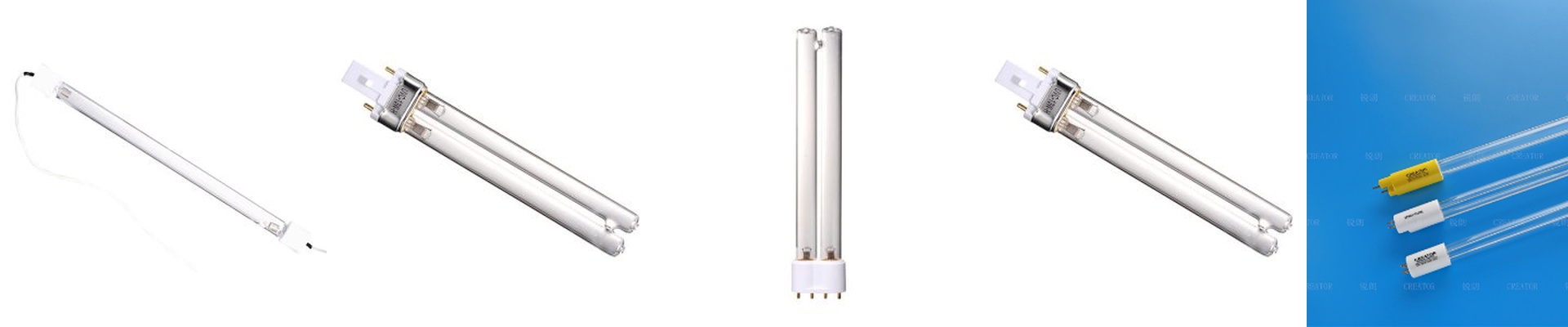
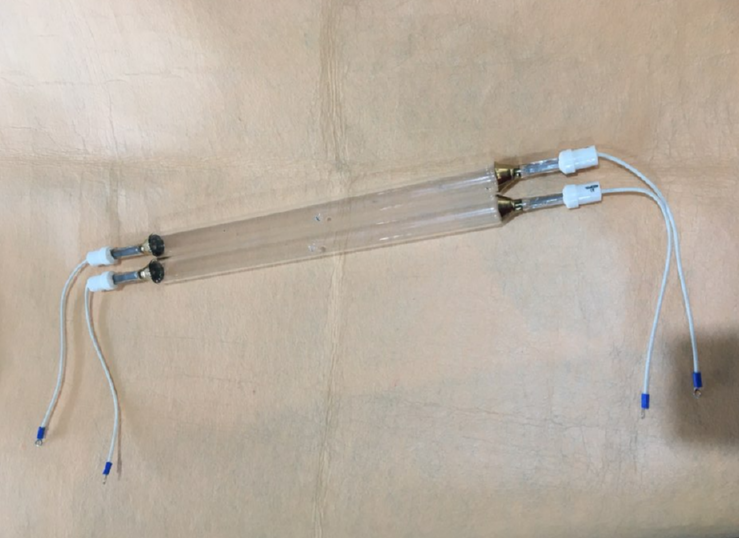
We spent some time visiting 3,000 different printing plants. Why? Because we wanted to see where the standard UV systems were falling apart. What we found was pretty consistent. Most shops are dealing with massive power bills and lamps that burn out way too quickly. The problem is that most lamps aren’t built for the actual heat and chaos of a real production line. So, we took everything we learned from those visits and completely rebuilt how we design our energy-saving UV lamps. The secret to saving energy Cutting down on power isn’t about some fancy electronic trick. It’s actually just physics. We focused on tightening the light output to exactly 253.7nm. By tweaking the mercury vapor pressure and the thickness of the quartz sleeve, we stopped the lamps from wasting energy as infrared heat. The result? You get the same germicidal punch but with lower wattage. Your electricity bill goes down, and your cooling fans don’t have to work nearly as hard. Built for the grime Let’s be honest: printing floors are messy. You’ve got ink mist and dust settling on everything. That’s why we use high-transmittance fused quartz. It resists “solarization,” which is just a fancy way of saying the light stays strong and stable for thousands of hours, even in a dirty environment. Plus, we made sure the footprints are standard. These are drop-in replacements. You can swap them into your existing fixtures without having to rewire your entire cabinet. It’s a simple switch. One thing to watch out for: Heat Here’s the catch. High-intensity UV still creates heat right on the surface of the lamp. Even though our design uses less total power, those tubes still get hot. If you cram them into a tight box without any airflow, you’re going to kill the lamp life. Just make sure your ventilation is set up for the specific wattage you’re using, and you’ll be fine. We didn’t build these for a clean lab. We built them for the shop floor. They can take a beating and they keep your line sterile.