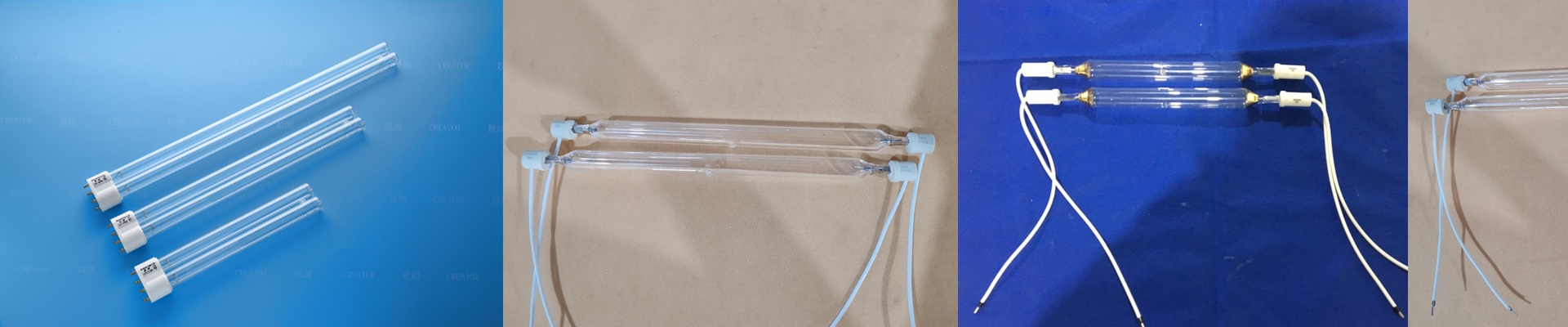
Getting Your UV Curing Right (Without Breaking the Bank)
Let’s be honest: most industrial UV lamps are built for the giants. If you’re running a small or medium shop, you’ve probably noticed the struggle. You either pay a fortune for a “name brand” system that’s way too big for your space, or you settle for something that just doesn’t hit the mark. We started building our lamps because that gap is frustrating. You just need a light that fits your machine and actually works.
The Balancing Act: Power vs. Heat
Here is the thing about UV curing: it’s all about balance. You need enough punch to dry the ink instantly, but if you go overboard, you’ll end up warping your materials. It’s a fine line. If you cram a high-wattage tube into a tiny housing, you’re going to fry your reflectors. Simple as that. The trick is matching the lamp to your conveyor speed. If your line is moving slowly, you actually want lower intensity. Otherwise, you’re just scorching your product. We spend our time tuning the wattage so you don’t have to guess.
Making it Fit
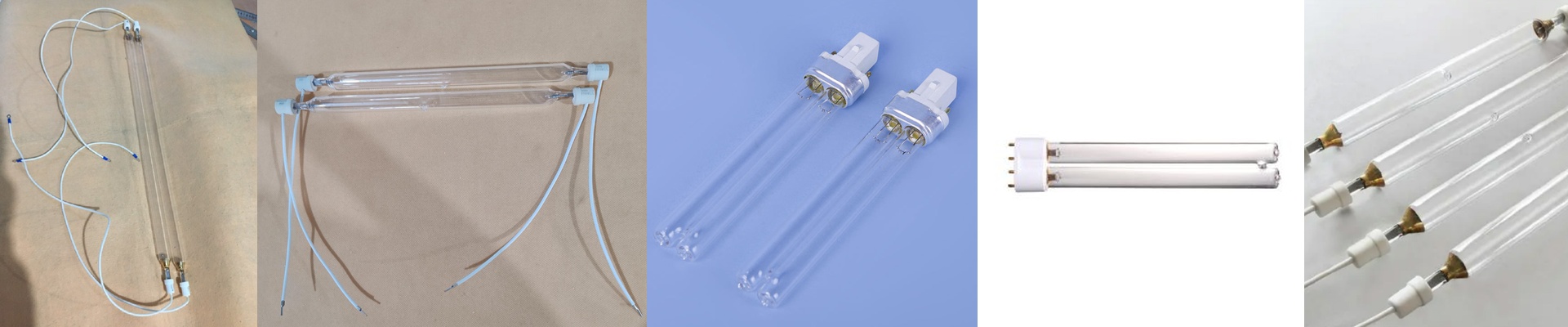
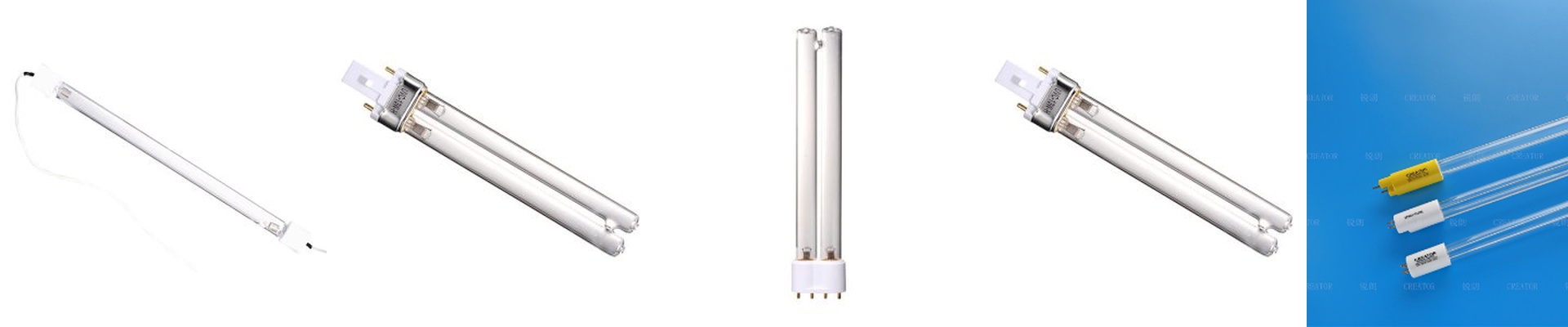
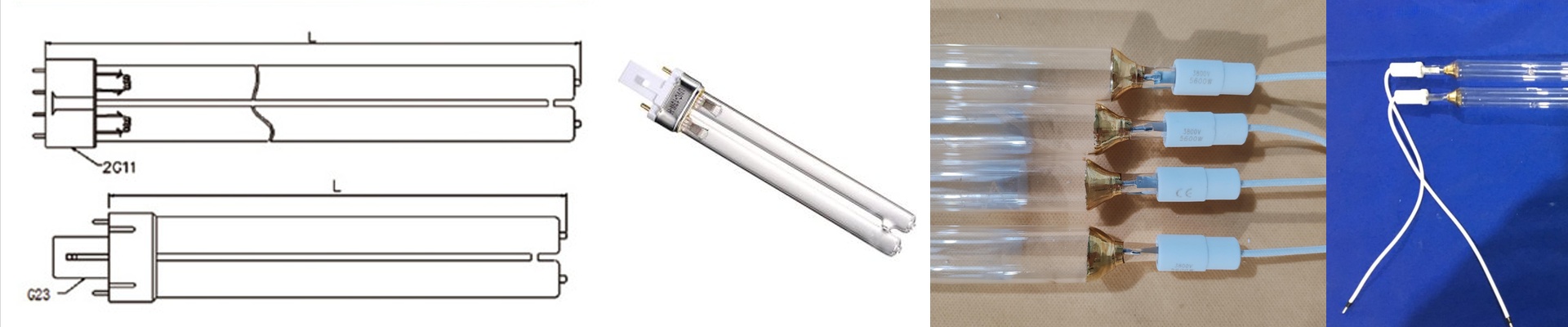
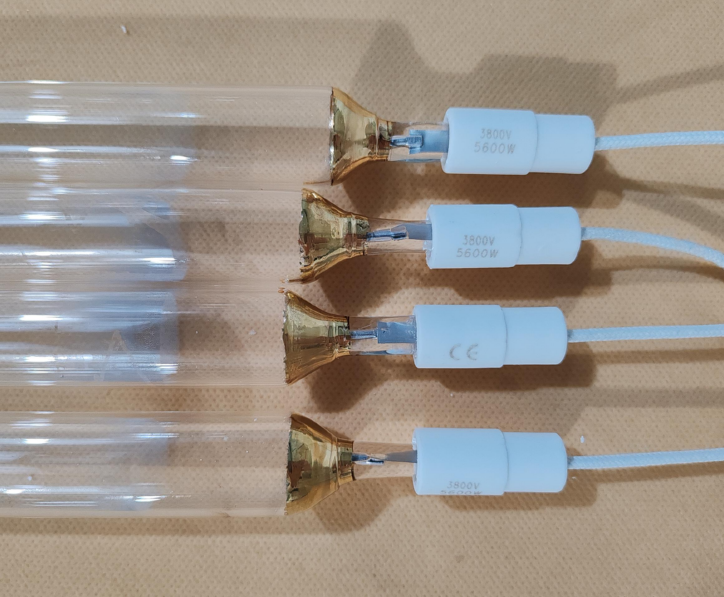
There is nothing worse than buying a new piece of gear only to find out you have to rewire your entire control cabinet just to plug it in. It’s a nightmare. That’s why we make drop-in replacements. We match your existing electrical specs so it just… works. We also don’t cut corners on the glass. We use high-purity quartz. Why? Because the cheap stuff blocks the shortwave radiation. If that happens, your ink stays tacky, your production slows to a crawl, and you’re left staring at a pile of unsellable prints.
Real-World Shop Talk
The best part about a custom lamp is that it lets you run those fancy, modern inks on your older, reliable machinery. You get the high-end results without the bloated corporate price tag. But a quick heads-up: more power means more heat. If you crank up the wattage to speed up your throughput, keep an eye on your cooling fans. If the air isn’t moving, your lamp won’t last, and your curing will get spotty. Our lamps are built to take a beating in a real shop environment. Just do us a favor—keep the lens clean. A little dust can kill your irradiance, and we want those prints coming off the line looking sharp.