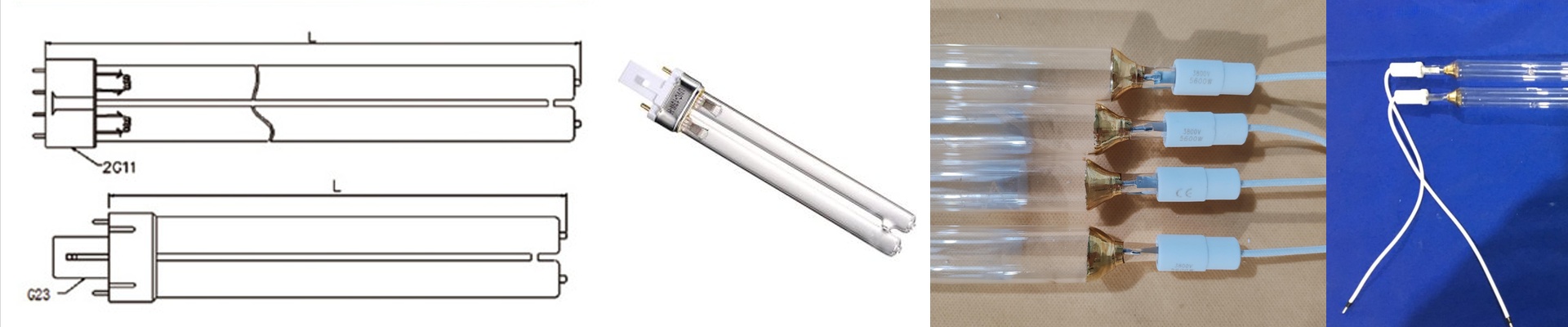
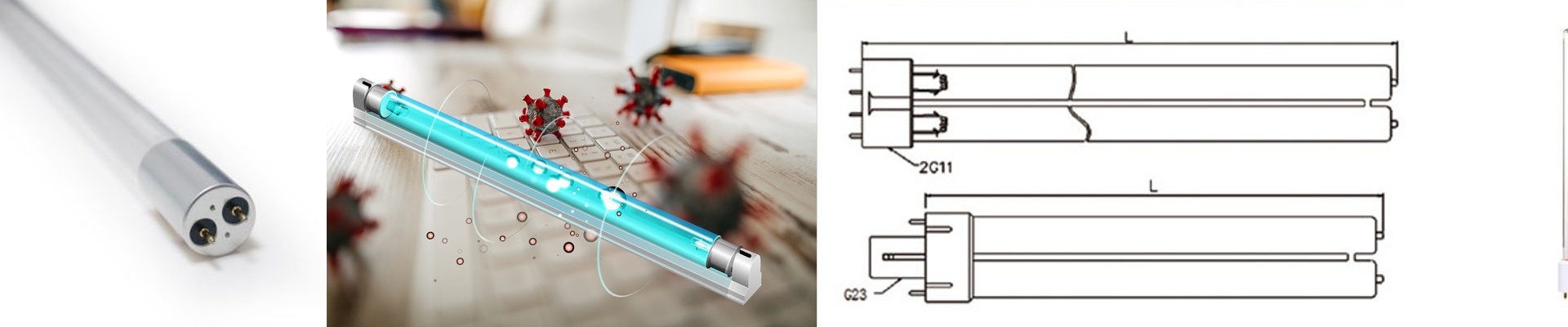
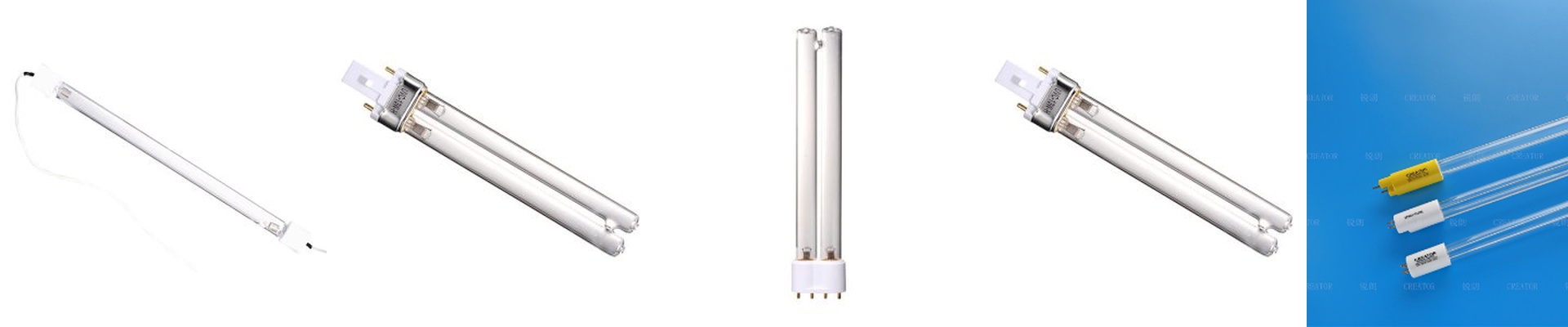
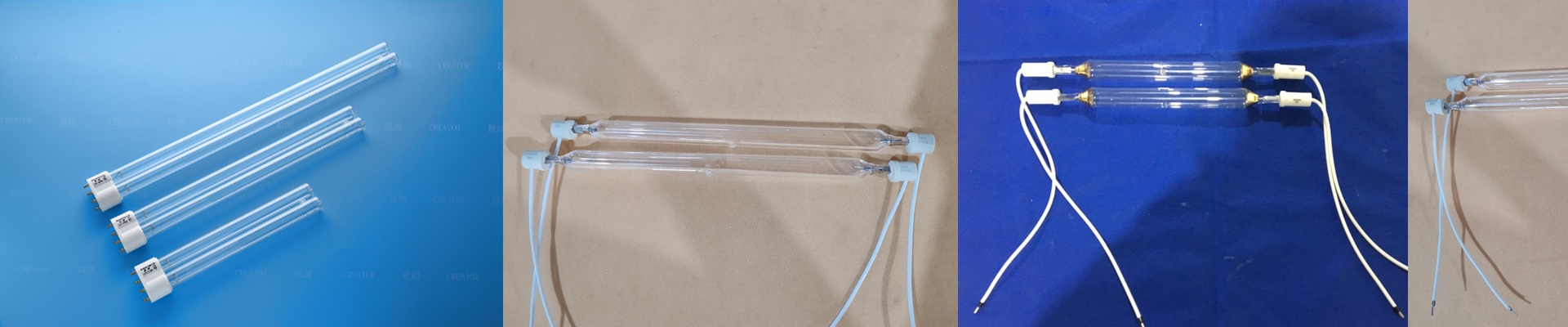
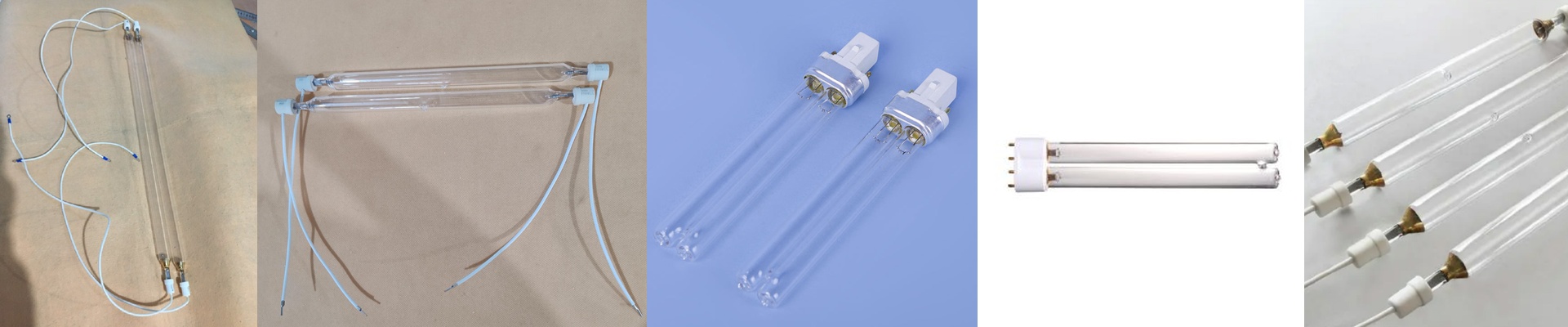
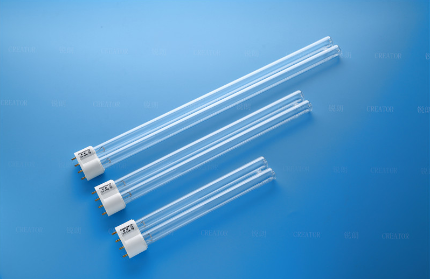
Out on the finishing line, wood coatings only cure when the lamp delivers UV energy you can count on, run after run. If output drifts or hot spots show up, you’re staring down tacky surfaces, intercoat adhesion failures, and scrap. More often than not, the lamp envelope is where the problem starts. What actually matters under the hood We build wood-coating UV lamps with 99.99% synthetic quartz. Impurities in cheaper quartz soak up UV and turn it into heat, and that’s what throws your process off. With the right quartz, you get stable spectral output across 365–395 nm—exactly where the photoinitiators in clear coats and pigmented lacquers do their work. Expect peak irradiance above 1200 mW/cm² at the arc, measured with a calibrated spectral radiometer, and curing energy density of 800–1200 mJ/cm² at the substrate plane. The reflector uses a dichroic coating to bounce UV forward while letting IR pass backward, so you get the cure without baking the substrate. The light source is a 1500 W/cm high-pressure mercury vapor lamp, 220 V, 3-phase, in an ozone-free design. Rated end-of-life is 5000 hours, and it holds at least 80% of its initial UV output over that life. Why this holds up on a wood line Wood coating lines need speed, but you can’t burn the substrate to get it. When UV output stays stable, you can run line speeds up to 60 m/min, hit pencil hardness 2H on hardwoods, and cut rework caused by orange peel. Energy use comes down because the reflector concentrates usable UV and wastes less IR. And fewer lamp changes mean less downtime—out in the field, you’ll typically see lamp change intervals of 4000–5000 hours in continuous duty. The details that keep you out of trouble Match the lamp to the curing module. Check reflector geometry, focal distance, and shutter duty cycle. Make sure the power supply is truly 220 V, 3-phase, and that your cooling can hold coolant temperature at 25 °C ± 2 °C. The lamp needs a warm-up; output stabilizes after 3–5 minutes. And keep the quartz in shape: handle it with gloves, clean only with isopropyl alcohol, and keep the window clear of dust and coating overspray so irradiance stays where it should.