Stop Thinking of UV Curing as Just a “Step”
Most shops treat UV curing like a box you check at the end of the line. You put the part under the light, it hardens, and you move on. But we look at it differently. To us, it’s more about controlling exactly how much light hits your product, no matter how fast your line is moving.
Power That Actually Fits Your Needs
We build our systems on a modular grid. Why? Because your business changes. If you decide to crank up your conveyor speed, you don’t have to rip out your entire setup and buy a new machine. That’s a nightmare. Instead, you just plug in a few more lamp modules. It’s that simple. Here’s where a lot of engineers trip up: the wattage. If you blast it with too much power, you’ll burn the substrate. Too little? You’re left with a tacky, sticky mess that ruins the finish. Our setup lets you dial in the exact intensity for every zone. You can hit it with a high-intensity blast for a quick flash-cure, then dial it back for a slower, deeper cure that really sets the material.
The Nitty-Gritty Hardware
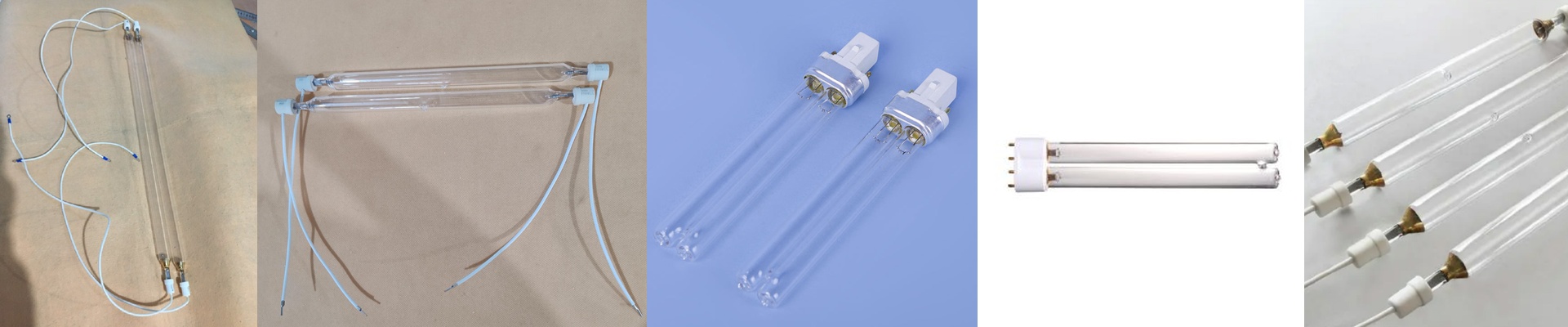
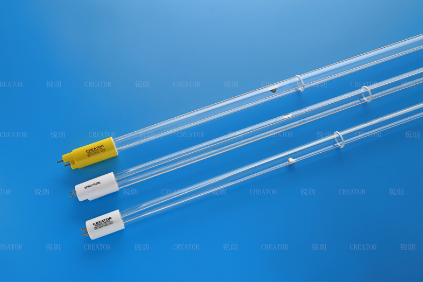
We use standard connectors and brackets, so these should slide right into your existing setup without a fight. The frames are built like tanks—they can take the daily abuse of a factory floor—but they still keep the lamps aligned down to a fraction of a millimeter. Now, there is a trade-off. When you scale up to a full bank of high-output lamps, your electrical panel is going to feel it. You’ll need to make sure your cooling fans can handle the heat. If they can’t, those tubes will overheat and your lamp life will tank.
What This Actually Means for Your Shop
You get a footprint that grows only when you do. No more spending a fortune on equipment “just in case” you grow. You start with exactly what you need today and wire in more as you scale. Plus, it saves a ton of energy. And when something does go wrong? You just swap out one module. You don’t have to tear down the whole curing tunnel just to fix one part. It just makes the whole day run smoother.