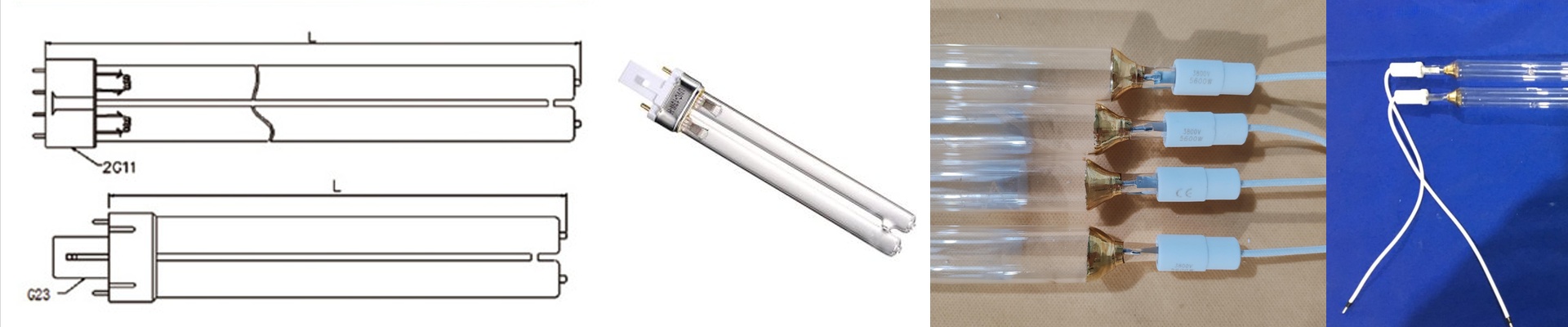
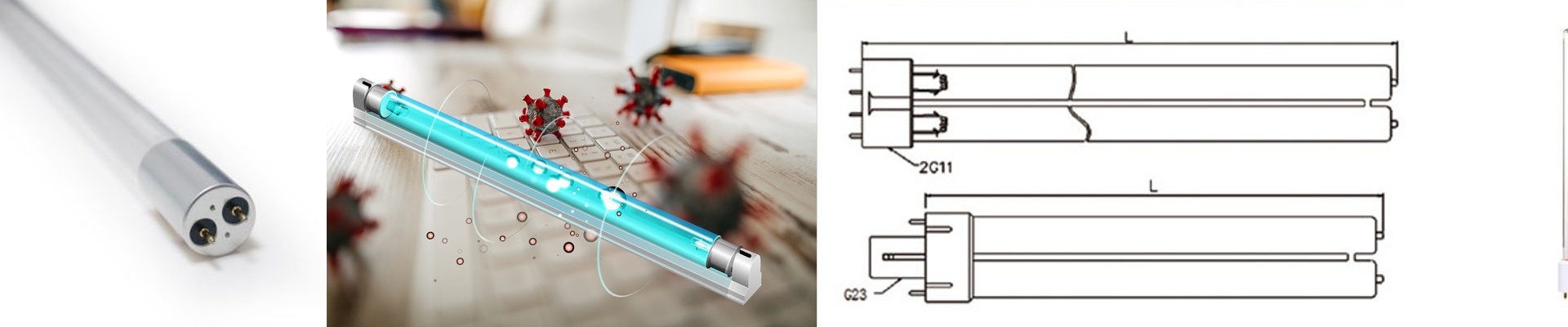
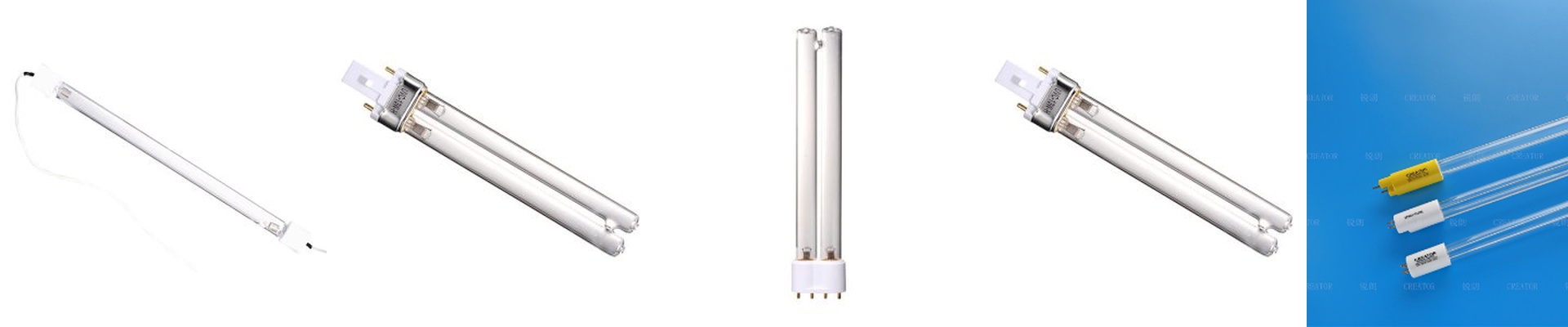
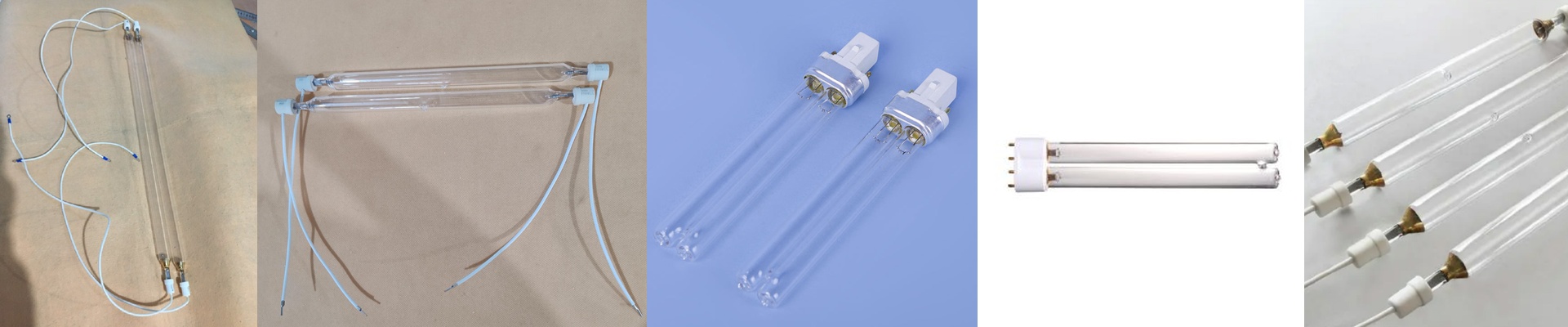
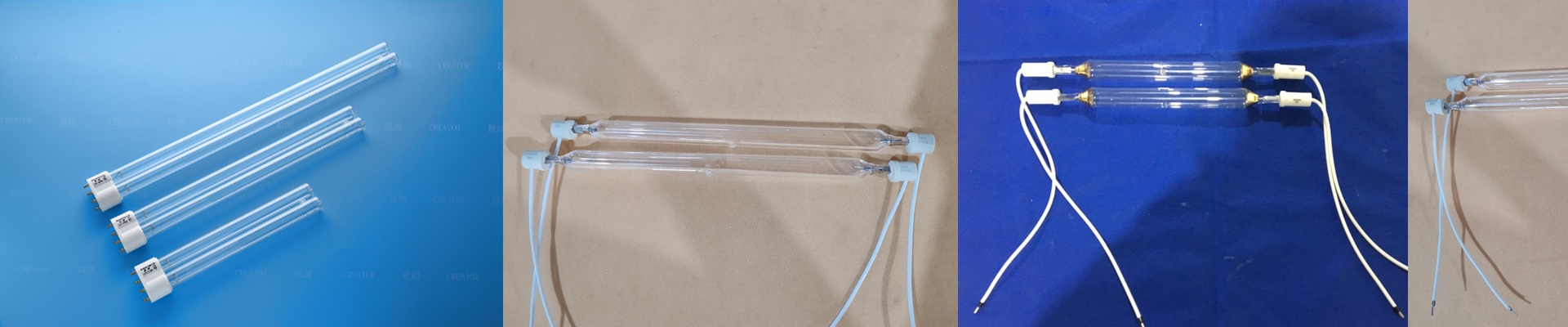
The Real Deal on UV Germicidal Lamps
When you’re working with UV-C lamps, you’re basically using shortwave radiation (usually around 253.7 nm) to scramble the DNA of microbes. It sounds simple on paper. But when you move from a small lab setup to an industrial scale, it stops being about “turning on a light” and starts being about precision and not hurting anyone. The Electrical Side of Things Here is the thing about the power: you can’t just plug these in and hope for the best. Most industrial lamps need a very specific ballast-driven current. Why? Because if you don’t, you’ll burn out the electrodes way too fast. I’ve seen what happens when voltage fluctuates by more than 5%. The lamps start flickering, or worse, they just quit on you. Then there’s the heat. Those end-caps get hot—really hot. If your housing doesn’t have enough airflow to let that heat escape, the quartz envelope is going to stress out and eventually crack. It’s a mess you don’t want to clean up. Why the Glass Actually Matters You can’t use regular glass here. It blocks the UV-C entirely. We use high-transmittance fused quartz instead. If you try to cut corners with low-grade quartz, you’ll lose 20% to 30% of your output. That means you have to cram more lamps into the system just to get the sterilization dose you need. For the tricky jobs, we add specific coatings to filter out the “noise” or boost certain wavelengths. These have to be chemically bonded to the quartz. If they aren’t, they’ll just peel off the moment things get hot. Staying Safe and Keeping it Steady Let’s be honest: UV-C is nasty. It’ll wreck your skin and eyes in no time. That’s why we build these systems with fail-safe interlocks. If a technician opens a cabinet door, the power needs to kill instantly. No exceptions. It’s also a bit of a balancing act. You want high irradiance to keep your cycle times short, but if the wavelength dips below 200 nm, you start building up ozone. Not great. We calibrate the tubes to keep the “kill rate” high while keeping the ozone low. And a final tip: keep an eye on your cooling. If your fans or vents are undersized, the envelope overheats and your output drops. It’s a simple chain reaction, but it’ll kill your efficiency every time.