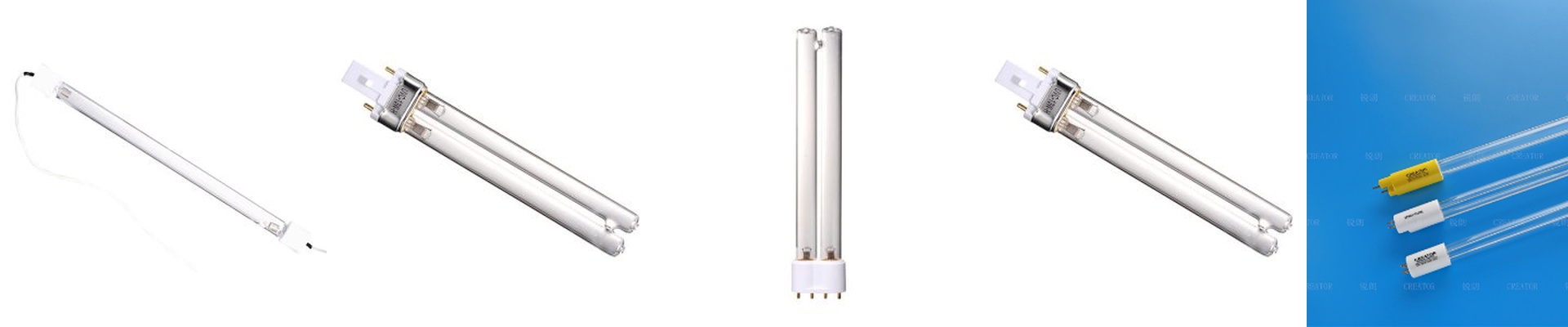
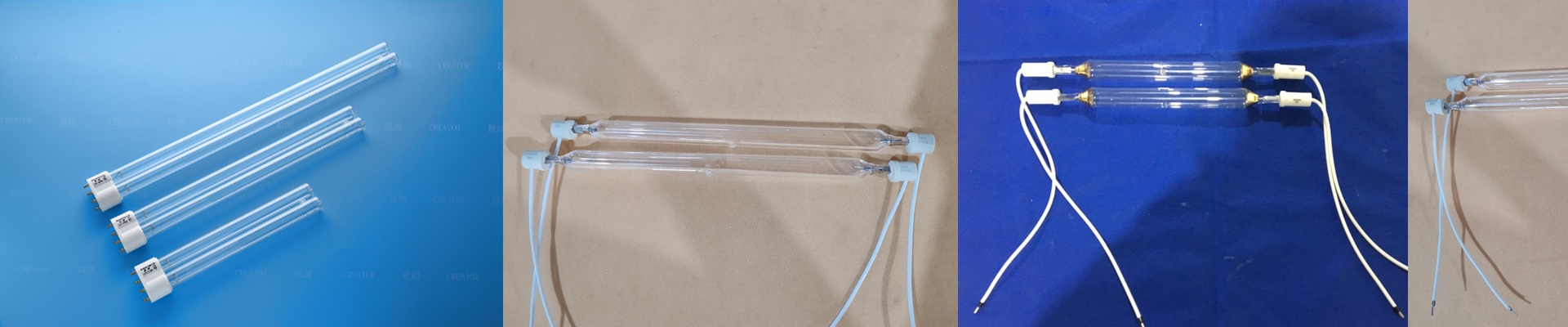
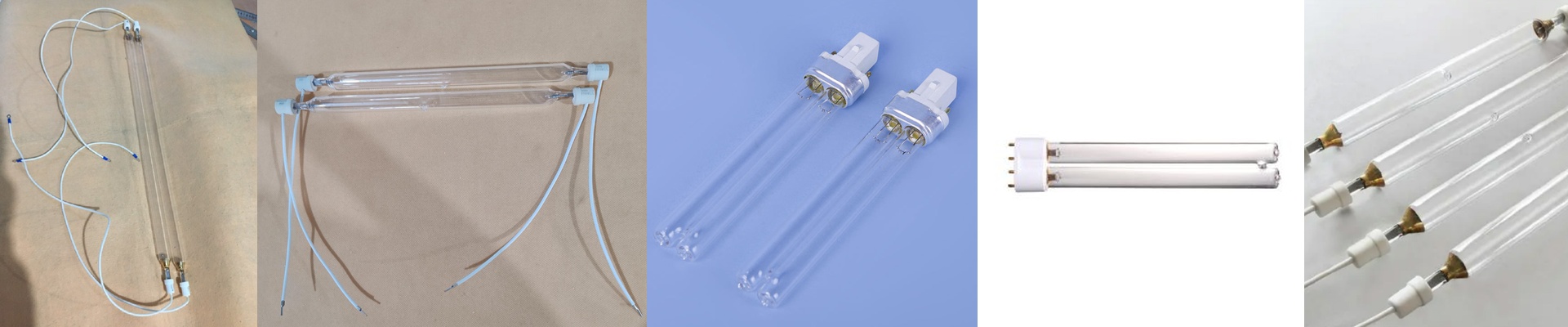
How We Build Our High-Pressure Mercury UV Lamps
We handle everything. From the raw materials to the finished tube, we own the whole supply chain. Why? Because cutting out the middleman means we can keep prices fair without skimping on the quartz purity. You get the high-end stuff without the “luxury” markup.
Keeping the Arc Steady
Here’s the thing about high-pressure mercury lamps: they’re all about the balance. If the gas mix or the electrode shape is off by a hair, the plasma arc gets jumpy. We build our tubes for high wattage density. In plain English? They cure things fast. Your industrial drying lines move quicker, and your cycle times drop. But a word of caution: this kind of power creates a lot of heat.**A lot.**Make sure your cooling fans and reflectors are actually up to the task. If the quartz envelope overheats, it’ll fail—and nobody wants to deal with a blown lamp mid-shift.
The Quartz Stuff
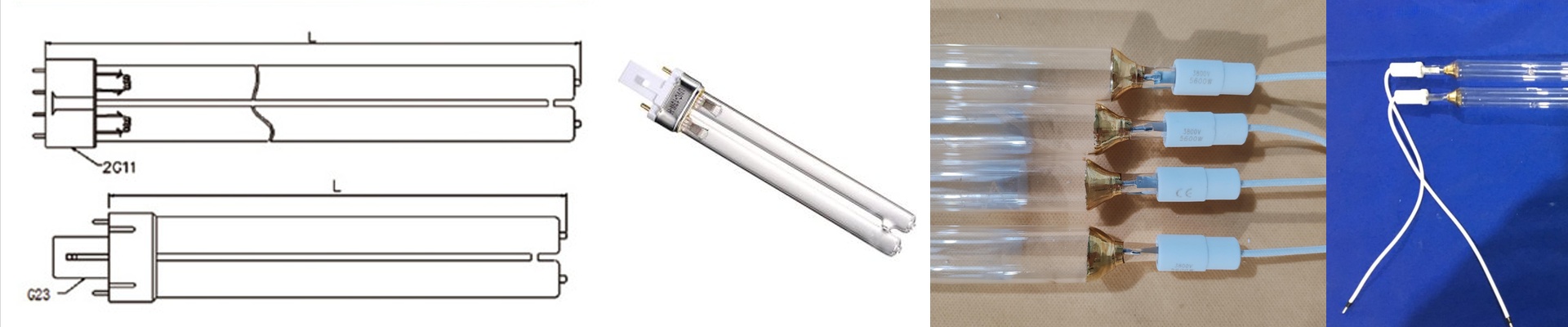
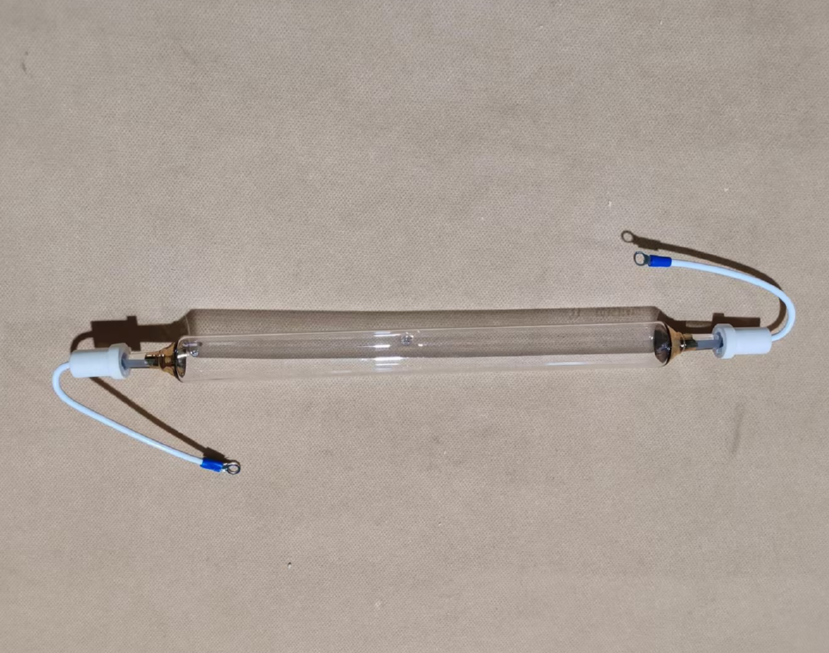
We use high-grade fused quartz. It’s a must. Cheap glass is basically a wall that blocks the shortwave radiation you actually need to get the job done. We also know you just want these to work. That’s why we design them as drop-in replacements. We obsess over the fit of the end caps and pins so they slide right into your sockets. If the fit is too tight, the glass can crack when it heats up and expands. We keep the tolerances tight, but we leave enough breathing room so you aren’t forcing anything.
Real-World Use and Trade-offs
These lamps are workhorses. We’ve stripped away all the fluff to give you a tool that can take a beating in a loud, messy factory. If you’re dealing with thick coatings, you need this kind of raw power. Just keep in mind that the energy draw is heavy. You’ll need a ballast that can handle the strike voltage without flickering. We provide the hardware; you hook it up to your grid. It’s a straightforward approach that keeps your costs down while making sure your gear is ready for whatever 2026 production demands throw at you.