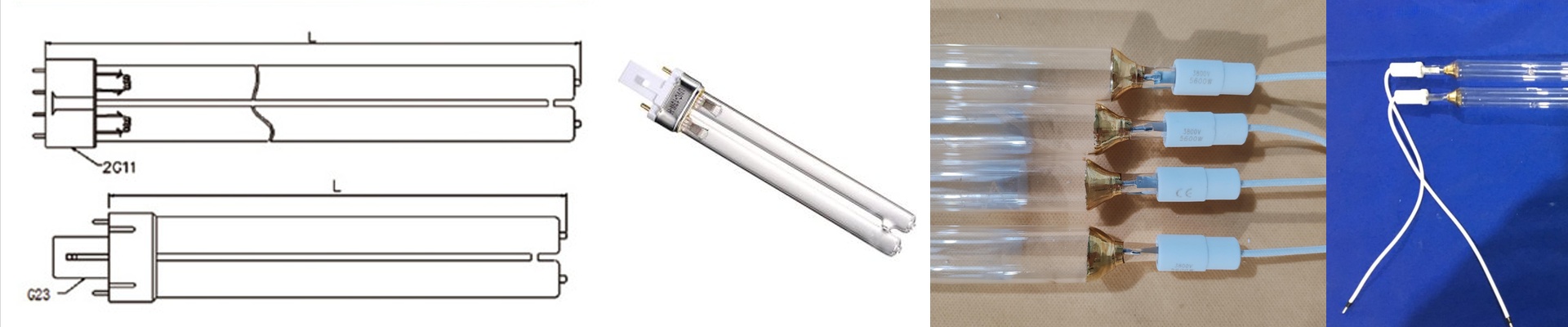
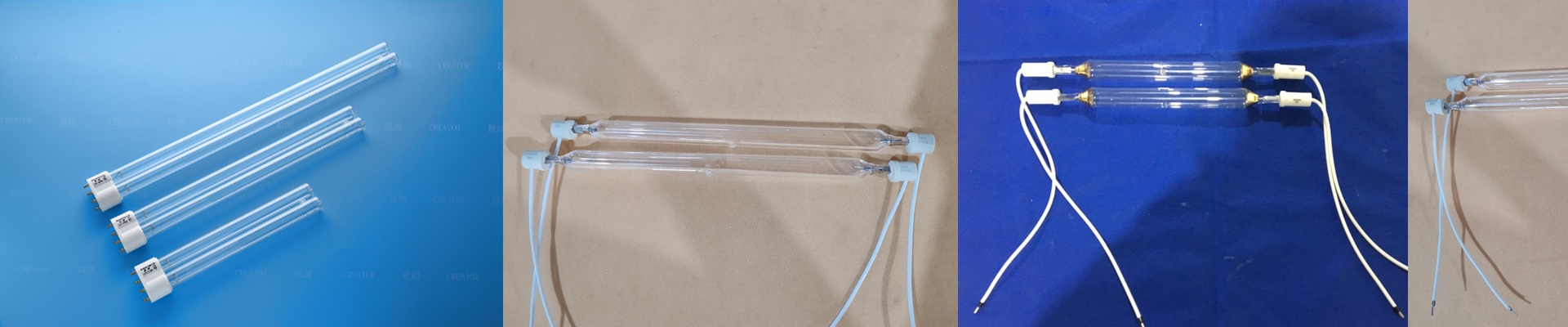
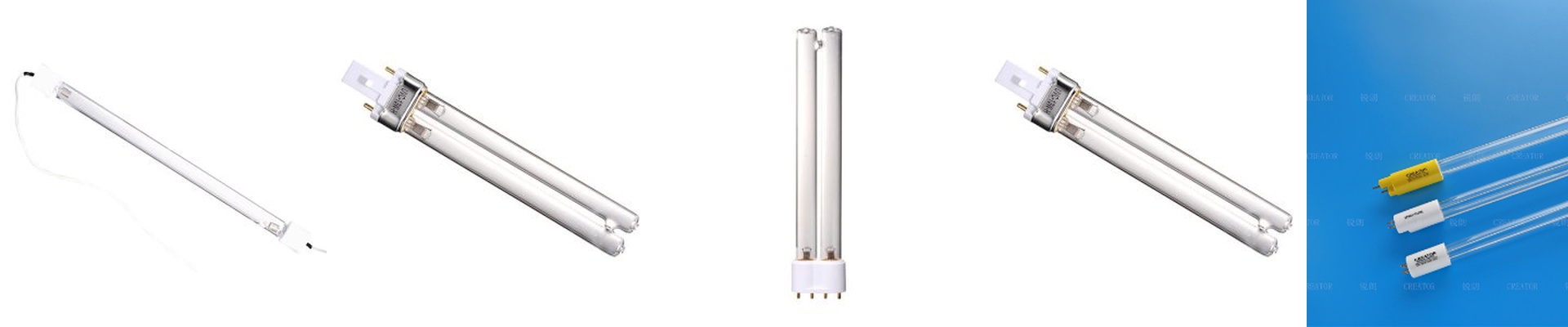
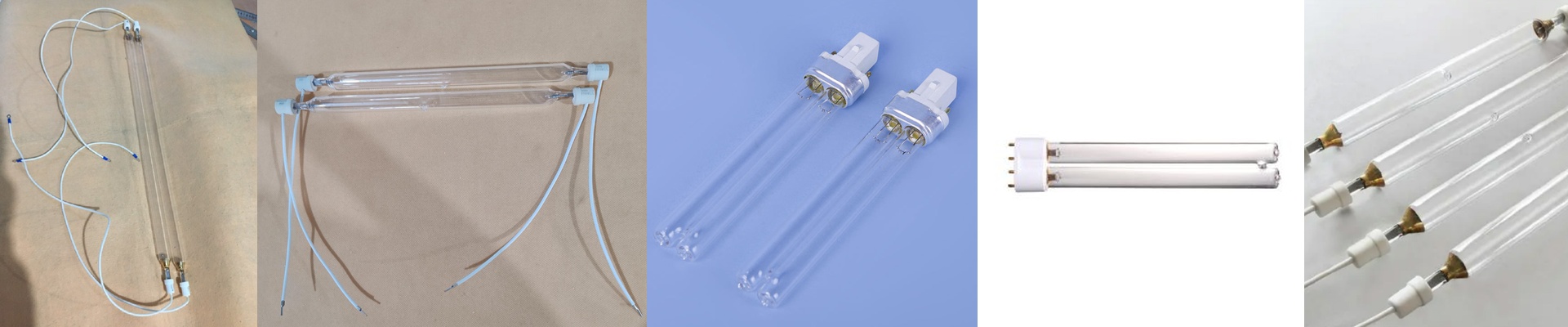
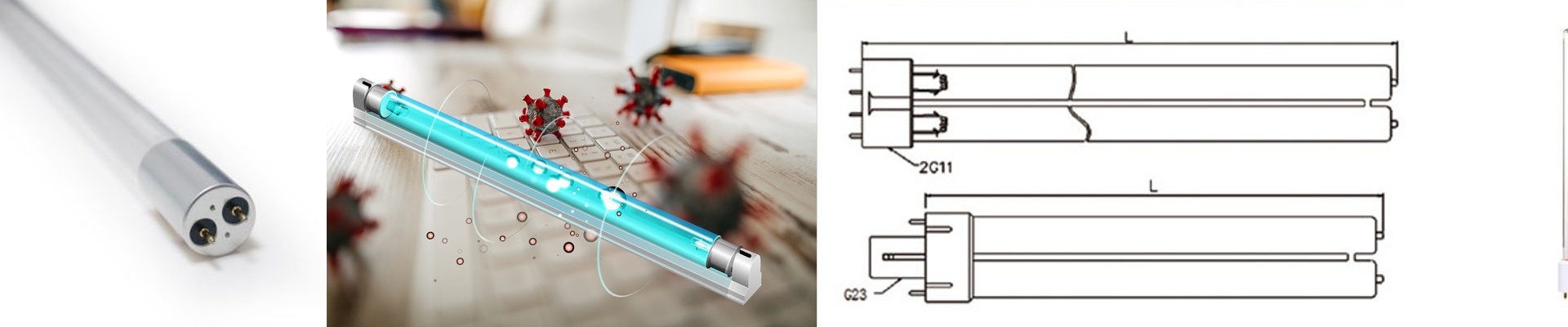
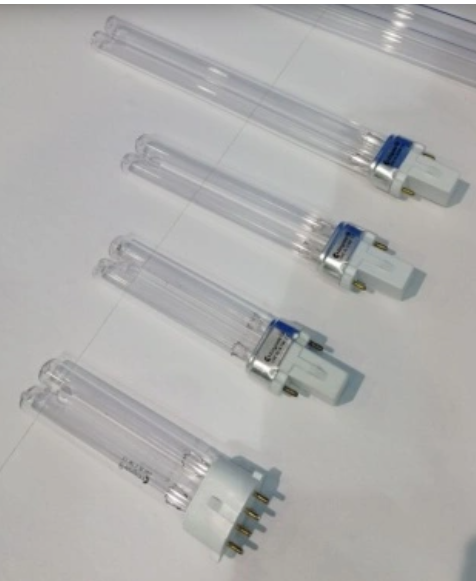
On a label press that never stops, the bottleneck is usually the curing, not the printheads. Under-cured ink migrates, adhesion falls apart, and die-cut dusting turns good rolls into scrap. Mercury UV lamps fix that by giving you stable, high-intensity output that’s aligned with the photoinitiator window in UV offset, flexo, and screen inks. What actually matters is spectral output and the energy density you deliver. Our medium-pressure mercury vapor lamps are built to hit strong output at 365 nm, with broadband emission on top to drive surface cure and through-cure through pigmented layers. Peak irradiance at the substrate hits 12 W/cm² at typical lamp-to-web distances, so you can land 400–800 mJ/cm² on thin films without cooking the web. The quartz arc tube and dichroic-coated reflector keep the spectrum stable, so cross-linking stays repeatable run after run. Output holds within ±5% over 2,000 hours, and lamp life is rated to 3,000 hours with a controlled end-of-life ramp. The payoff is speed you can control. You can push press speeds without chasing cure by dialing in lamp power; 120 W/cm lamps give you headroom for dense colors, metallics, and thick varnishes. Faster curing means quicker changeovers, fewer off-spec sheets, and the line keeps moving. Energy use drops because the reflector focuses UV onto the substrate, and ozone-free operation keeps the curing zone cleaner—less load on ventilation and cooling. Here are the details that matter on the floor. Lamp output is sensitive to arc gap, reflector alignment, and cooling airflow. Install to the specified distance and make sure airflow across the lamp face is consistent; otherwise, hot spots and uneven cure show up as banding. Before you swap lamps, confirm power supply compatibility—voltage, current, and igniter type—and match the spectral profile to the ink system. Run at the correct voltage and you stabilize color and adhesion, and you keep lamp end-of-life predictable.