Making UV Curing Lamps That Actually Work
We spent 15 years in the trenches, starting out as OEM support before finally launching our own brand. Why? Because we were tired of seeing people wait forever for high-end UV lamps just because they wanted something that met international standards. We figured there was a better way to get the gear into your hands without the bloated lead times.
The truth about power and voltage
When we talk about custom UV setups, we aren’t just talking about “brightness.” It’s more about how those photons actually hit your surface. If you’re dealing with thick coatings, you need high-wattage tubes to get that fast polymerization happening. But here’s the catch: your ballast and your lamp have to be perfectly in sync. If you push too much current through a tube that isn’t built for it, you’re basically killing the lamp. You’ll shave thousands of hours off its life before you even realize there’s a problem.
It’s all in the glass and the connection
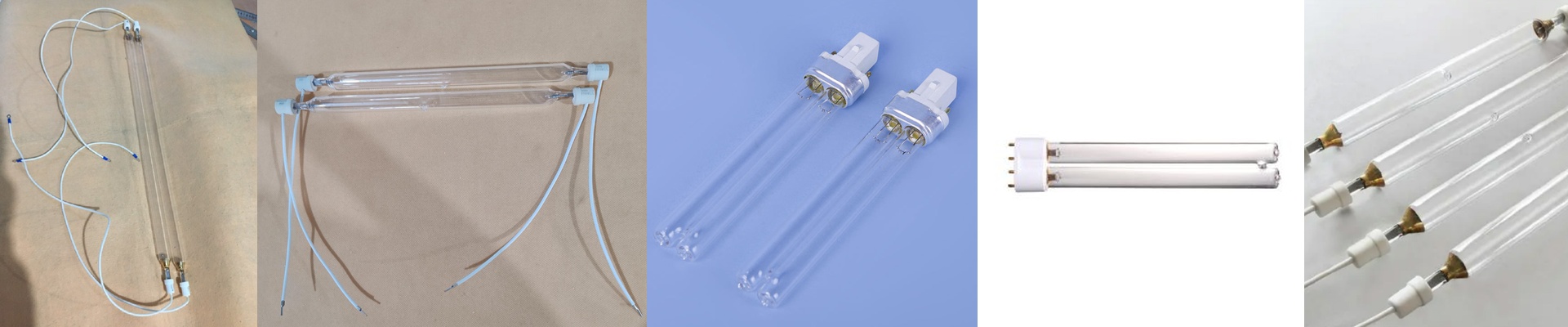
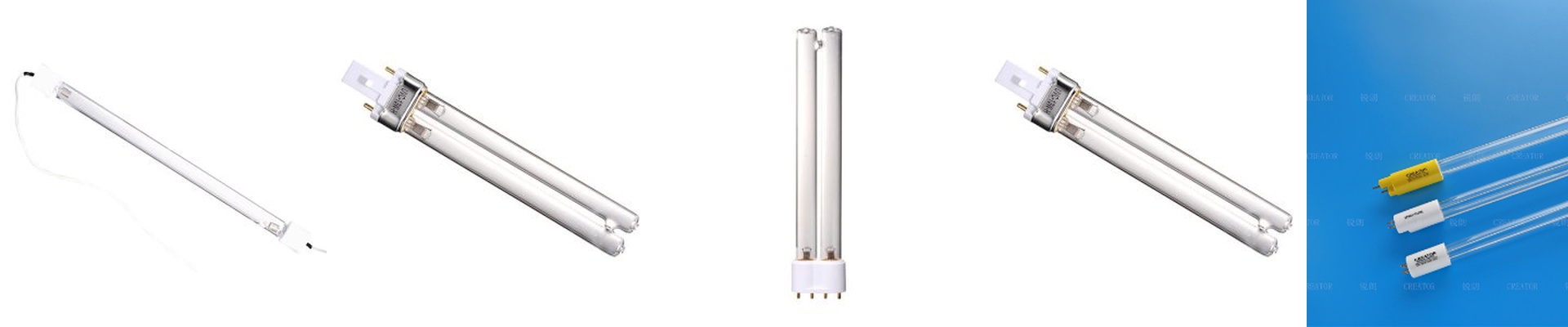
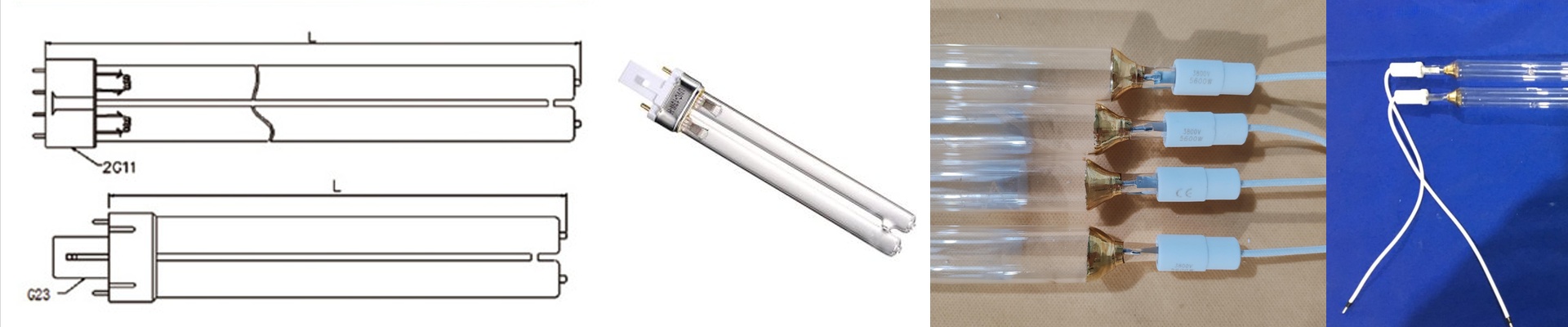
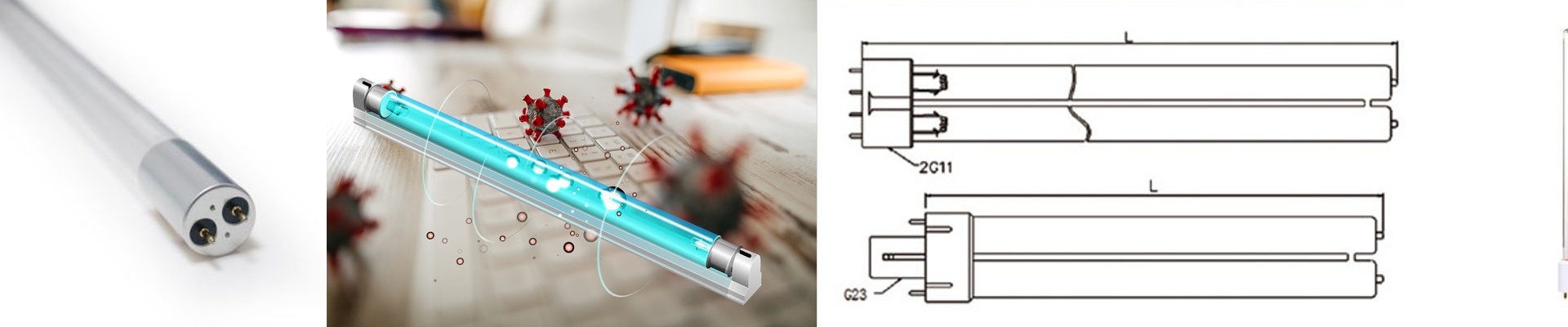
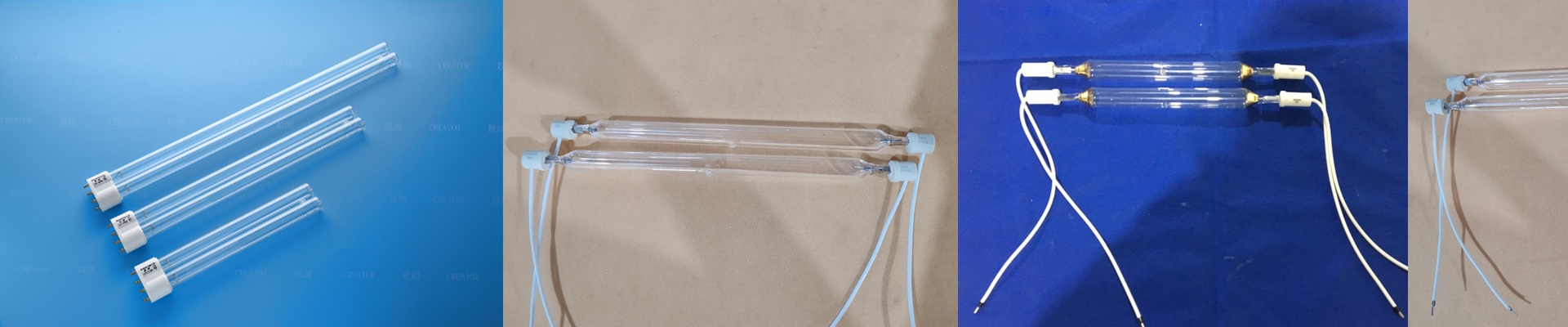
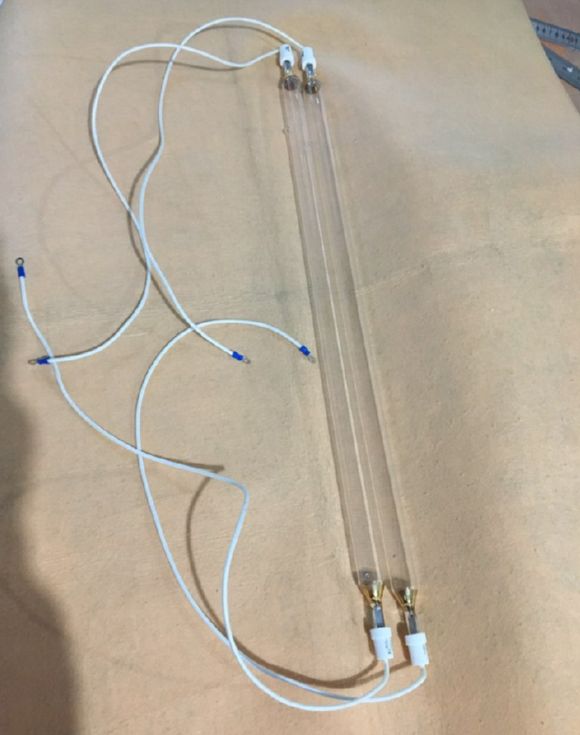
The glass we use isn’t your average window pane. It’s high-purity fused quartz. Standard glass is basically a wall—it blocks the exact wavelengths you need to get the job done. We also obsess over the electrode interface. Whether it’s a standard pinch or a custom end-cap, the connection has to be rock solid. If it’s off by a hair, you get flickering or hotspots that can ruin everything. We’ve spent years tightening these tolerances so that when you buy one of our lamps, it just slides right into your existing rig. No fuss.
Dealing with the heat
Let’s be real: high-intensity UV lamps get hot. Really hot. Our lamps are built to push a ton of power, but you have to make sure your cooling fans or water-jackets can keep up. If your conveyor is crawling along too slowly, all that heat can warp your parts or even crack the quartz envelope. We build these things to survive the chaos of a factory floor, but the thermal management side of things is on you. We provide the raw power; you just make sure the shop stays cool.