Stop Just Reselling Bulbs—Start Building a Brand
Most people walk through our doors with a generic spec sheet and a hope that it’ll work. But here’s the thing: if you want to actually own a brand, you can’t just buy bulbs in bulk and slap a label on them. You have to get your hands dirty with the actual physics of how mercury vapor works.
The real talk on UV specs
Mercury bulbs are a balancing act of pressure and heat. When we sit down to design a bulb for you, we aren’t just checking boxes. We’re looking at the wavelength. Are you trying to kill germs (UVC) or handle industrial curing (UVB)? That choice changes everything. Then there’s the power. Voltage and wattage aren’t just numbers on a page—they’re what keep the arc stable. Sure, high-wattage tubes are great for fast conveyor belts because they pack a punch. But they run hot. Really hot. If you push the power too hard without using high-grade quartz glass, the bulb is going to burn out way too soon. We help you find that sweet spot where you get the power you need without sacrificing the life of the lamp.
Making it yours (The Hardware)
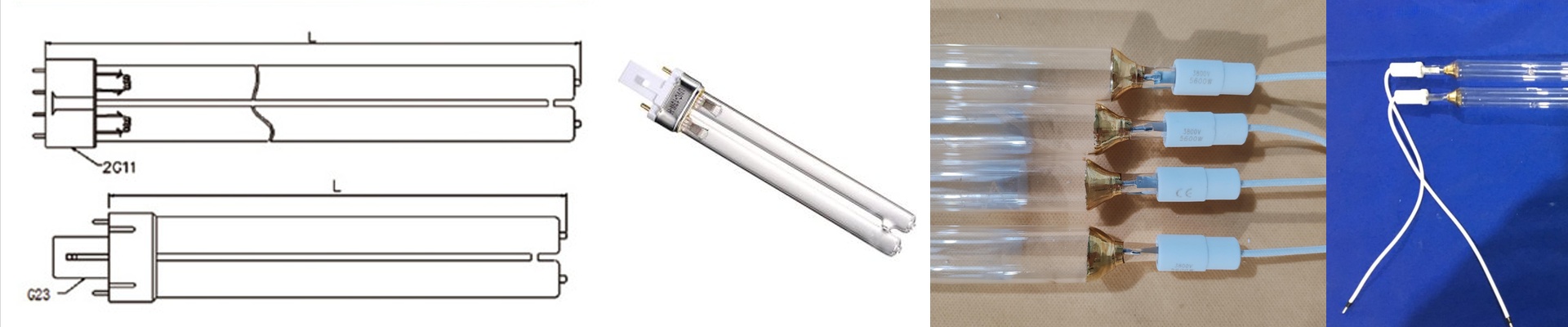
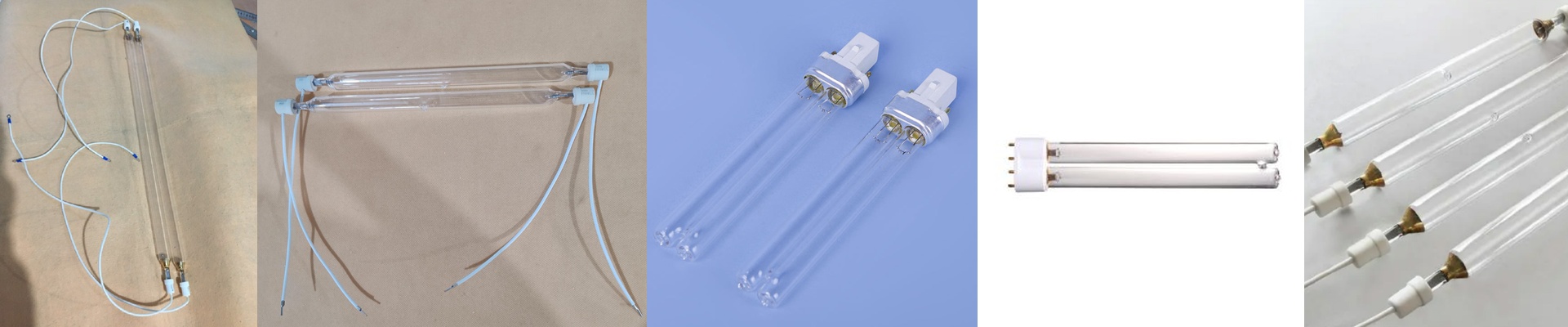
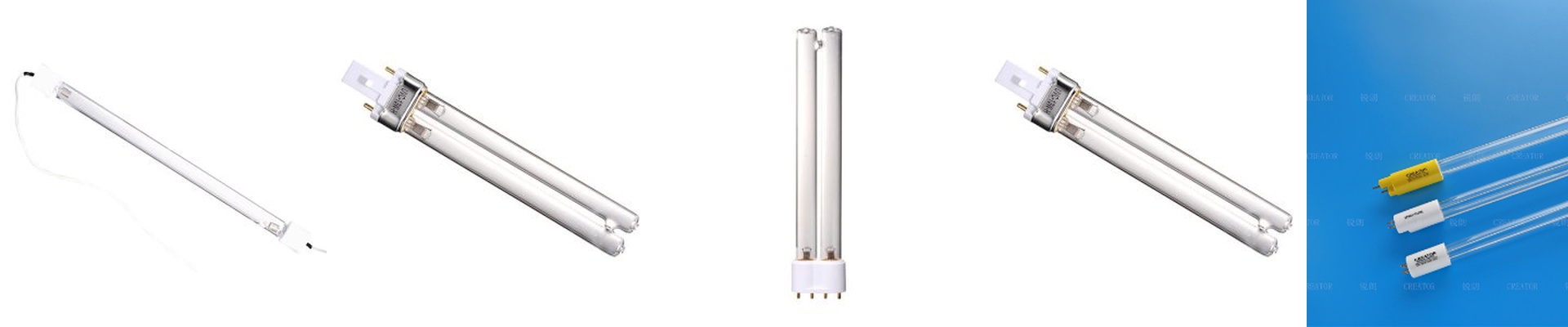
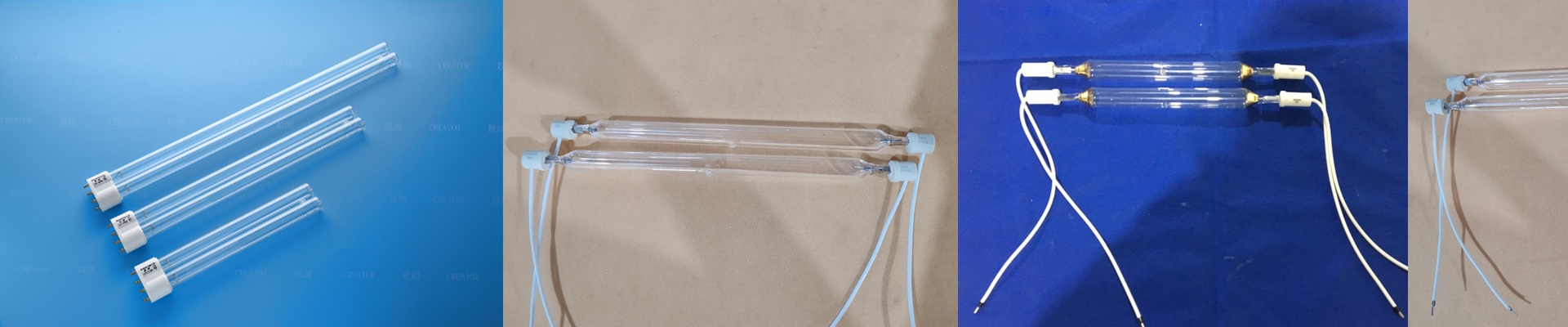
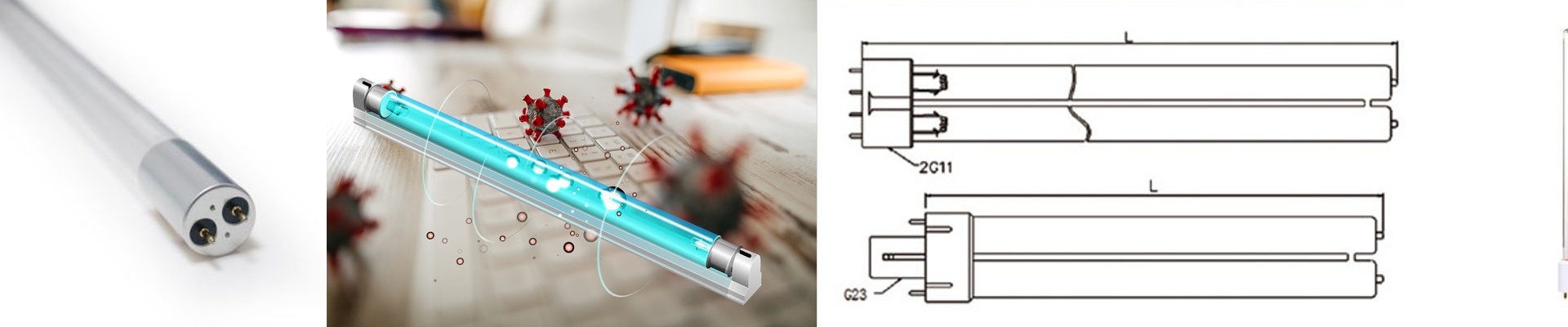
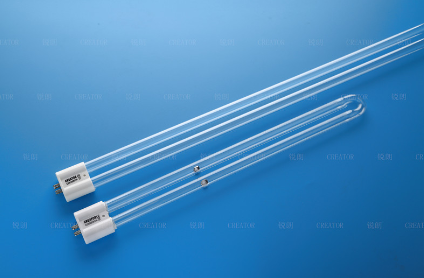
A “drop-in replacement” is only a win if the fit is perfect. If it’s off by a millimeter, it’s a headache. That’s why we let you call the shots on the length, the diameter, and the end-caps. Need a weird pin layout? Custom etching on the glass so your logo is right there? We can do that. We also use high-purity fused quartz. Why? Because cheap glass is a wall. It blocks the very light you’re paying for. Depending on your setup, we can go coated or uncoated—mostly so you don’t accidentally fry the internal parts of your machine.
The trade-offs you need to know
Look, high-output mercury lamps are beasts, but they aren’t “plug and play.” They need a stable ballast to survive. If your customers are using cheap, bottom-of-the-barrel power supplies, your bulbs are going to flicker or just die. It makes the product look bad, even if the bulb itself is perfect. To stop that from happening, we give you the raw technical data. We’ll show you exactly how your clients should wire things up and how much cooling they need so the bulbs don’t overheat and quit on them.