Stop Buying Bulbs. Start Fixing Your Process.
Most suppliers just want to ship you a bulb and call it a day. But if you’re running high-speed printing or dealing with tricky inks, a generic, off-the-shelf lamp is usually a gamble. You either end up with ink that isn’t fully cured, or worse, you scorch your materials. It’s a frustrating cycle.
Getting the light right for your ink
It all comes down to the wavelength. Some jobs need short-wave UV just to dry the surface. Others need longer wavelengths to punch through thick layers of ink. To get that right, we play around with the gas mixture and the electrode shape. We also tweak the wattage and arc length to hit the exact energy levels your ink needs. Here’s the catch: if you cram too many watts into a tiny space, you’ll burn your substrate. It’s a balancing act between how hard the lamp hits and how fast your line is moving.
The messy side: Wires and Heat
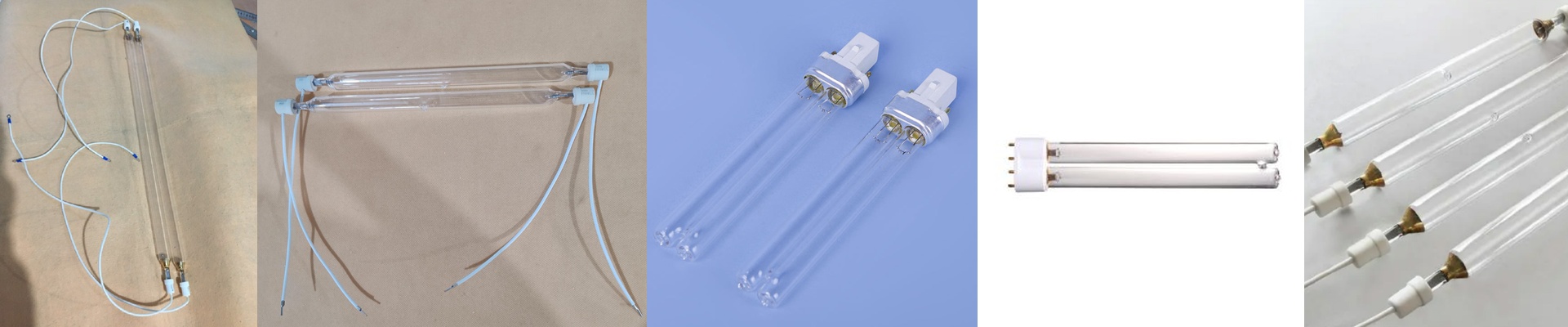
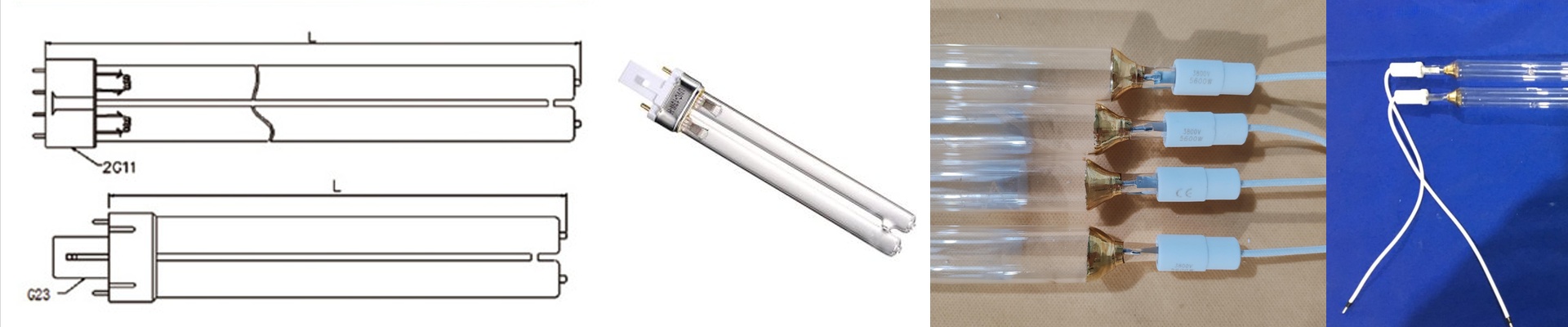
We don’t just care about the light; we care about how it actually fits into your machine. We customize the end-caps and connectors so the lamp just slides right into your existing housing. No hacking, no stressing. But we also have to talk about heat. High-output lamps gethot. Like, really hot. If your fans or water jackets can’t handle the wattage we’re pumping into that tube, your lamp is going to burn out way too soon. We’ll take a look at your power supply first to make sure the voltage keeps the arc stable.
It’s about where you put it
A great lamp is useless if it’s in the wrong spot. We’ll help you figure out the perfect distance between the lamp and your material. It sounds minor, but moving that gap by just a few millimeters completely changes the energy density. That’s usually the secret to stopping ink from peeling and cutting down on wasted material. At the end of the day, you aren’t just buying a part. You’re making your whole production line run smoother.