Stop the Flicker: Dealing with Signal Noise in UV Curing
If you’ve got a few large-scale printing presses running in one room, you know it’s a noisy place. I don’t just mean the sound of the machines. I mean the electrical noise. Between the high-voltage ballasts and those power supplies switching on and off a thousand times a second, your facility is basically a storm of electromagnetic interference. In a lot of standard UV setups, that noise leaks right into the controls. You get flickering, lamps that burn out way too early, or—worst of all—your whole line just stops.
How we stopped the noise
When we built our smart UV replacements, we wanted to make sure they could handle that chaos. We focused on the power input and the shielding. We packed in high-grade capacitors and inductive chokes to basically “scrub” the power. It strips out those high-frequency spikes that usually wreak havoc on a factory floor. The result? Your lamp stops fighting with the machines next to it. It doesn’t matter if you have one press running or ten; the arc stays steady. We spent a lot of time on the driver’s signal-to-noise ratio because, at the end of the day, the UV output needs to be rock solid.
Why stability is everything
In this business, consistency is the only thing that actually matters. If your UV intensity dips for even a second because of some interference, you’re looking at uncured ink and a pile of wasted substrate. That’s expensive. To fix this, we added a reinforced grounding path to bleed off stray currents. It kills those weird “ghosting” effects you see with the cheaper replacements. But here’s a quick heads-up: these lamps are tough, but they aren’t magic. You still need a clean ground connection to the press chassis. If your factory wiring is ancient or rusted out, internal shielding can only do so much. A bad ground loop will still find a way in.
Getting them running
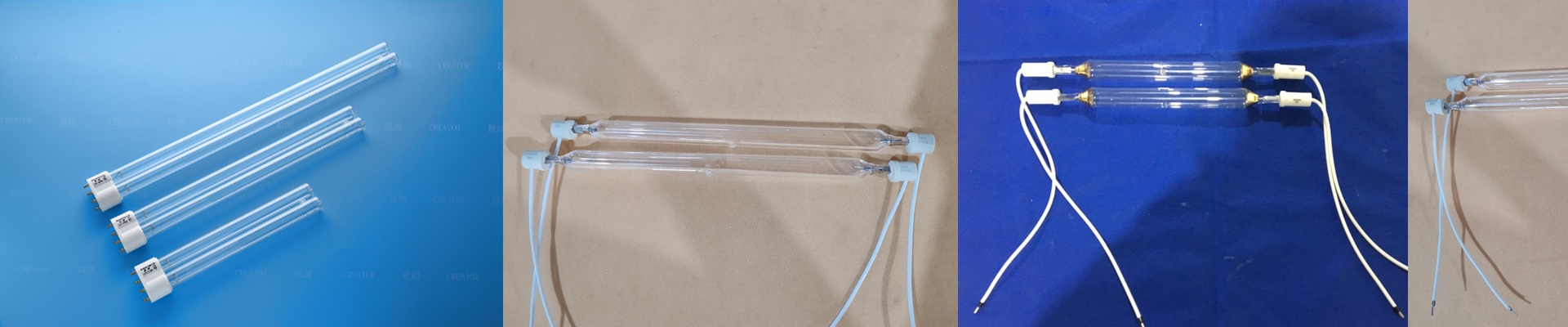
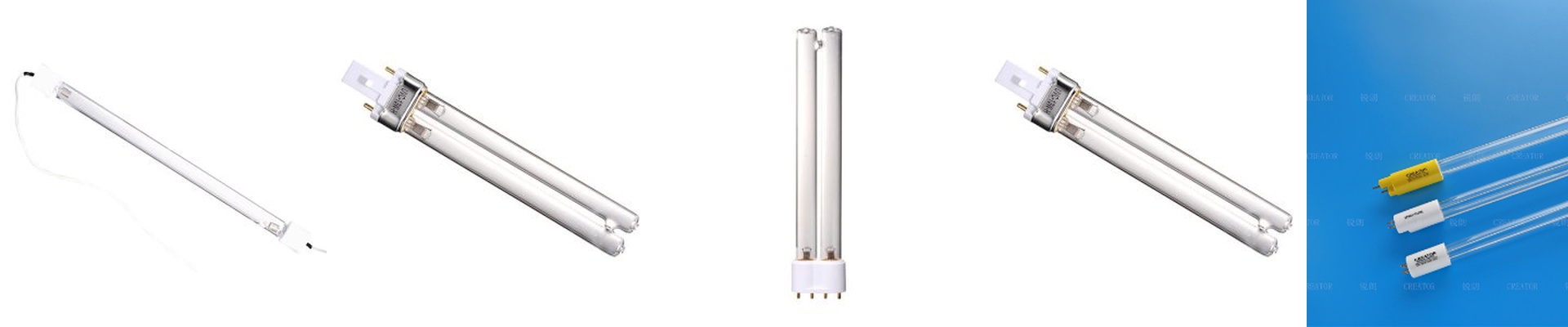
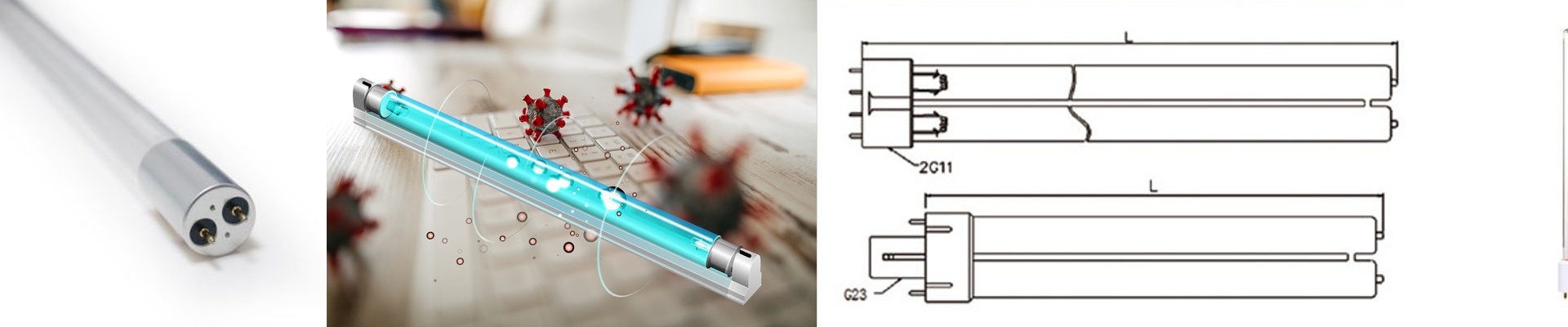
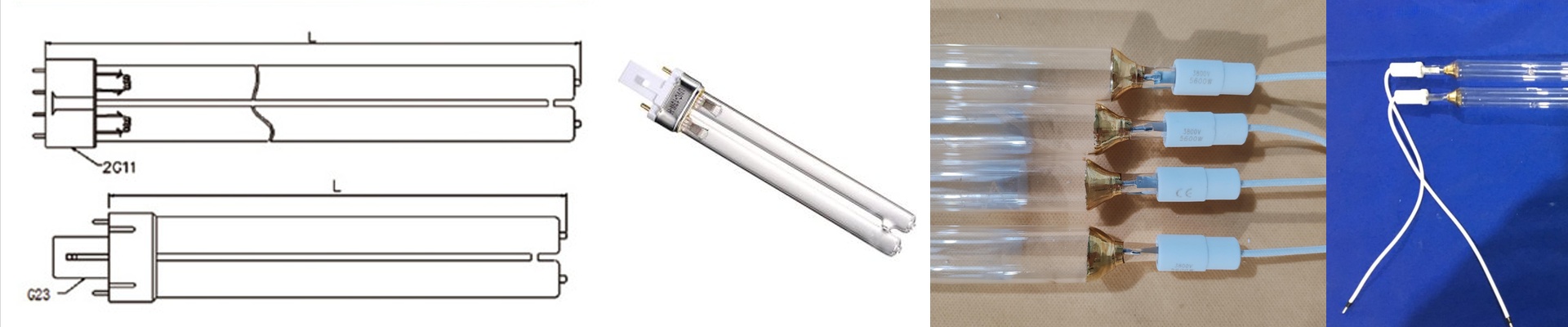
The best part is that these are just drop-in replacements. We kept the footprint exactly the same as the OEM specs. You can wire them up using your existing brackets without having to drill new holes or modify your setup. Plus, because they stabilize the electrical draw, your power distribution blocks aren’t under as much stress. It just makes the whole curing line last longer.