Let’s Talk About Quartz Lamps: The Real Muscle Behind UV Curing
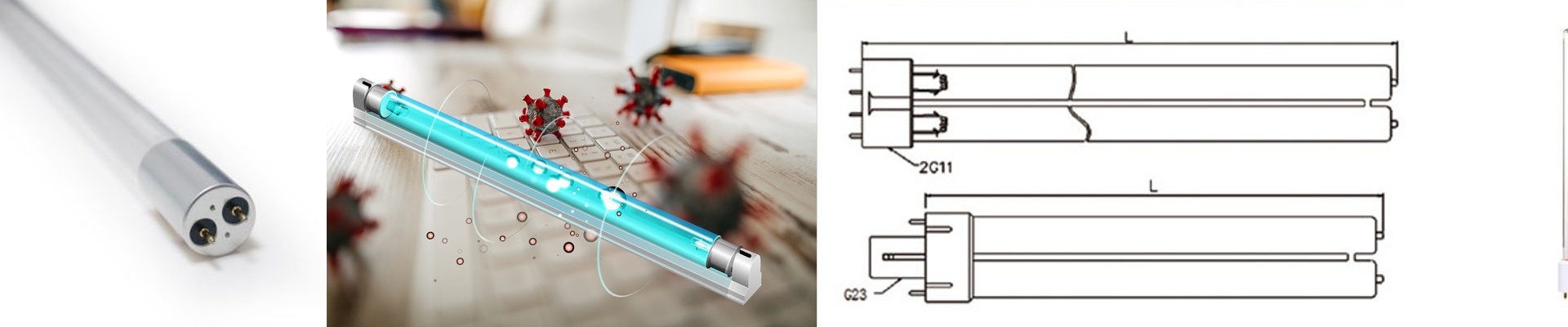
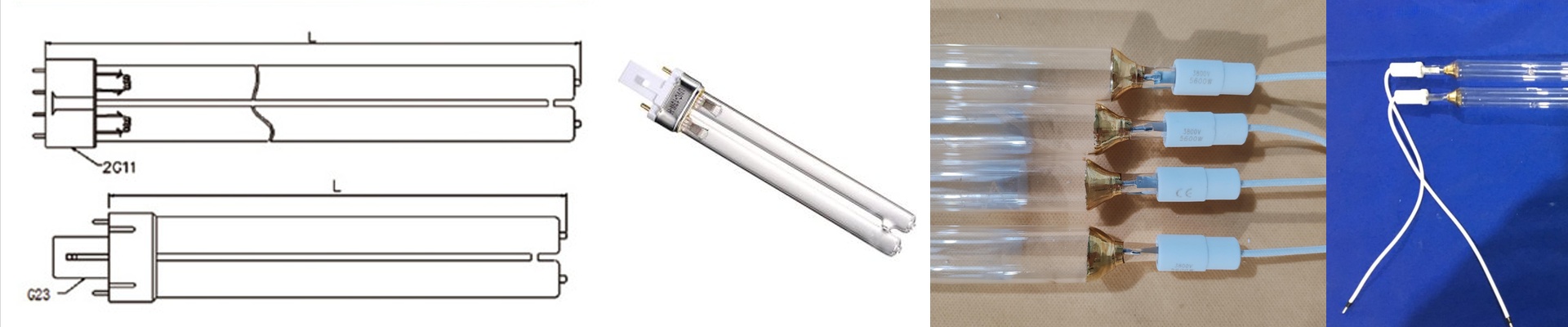
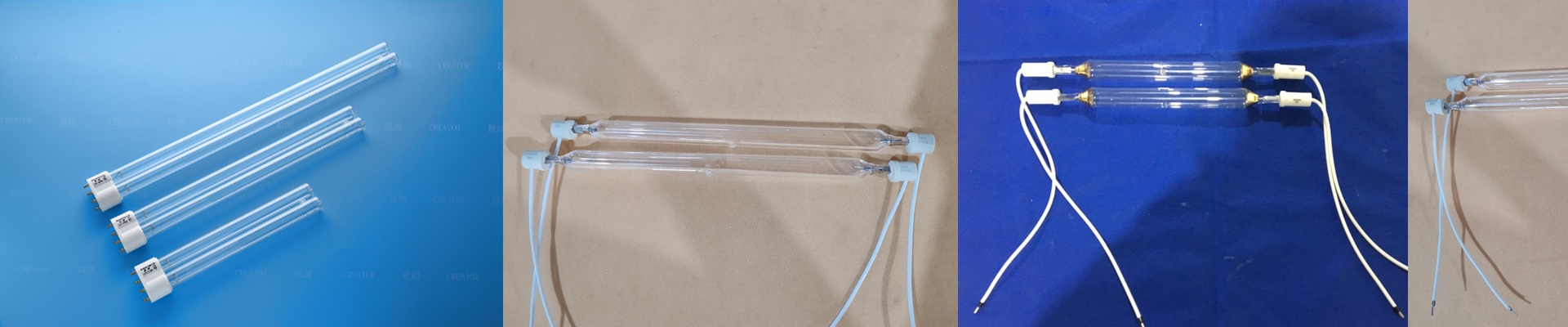
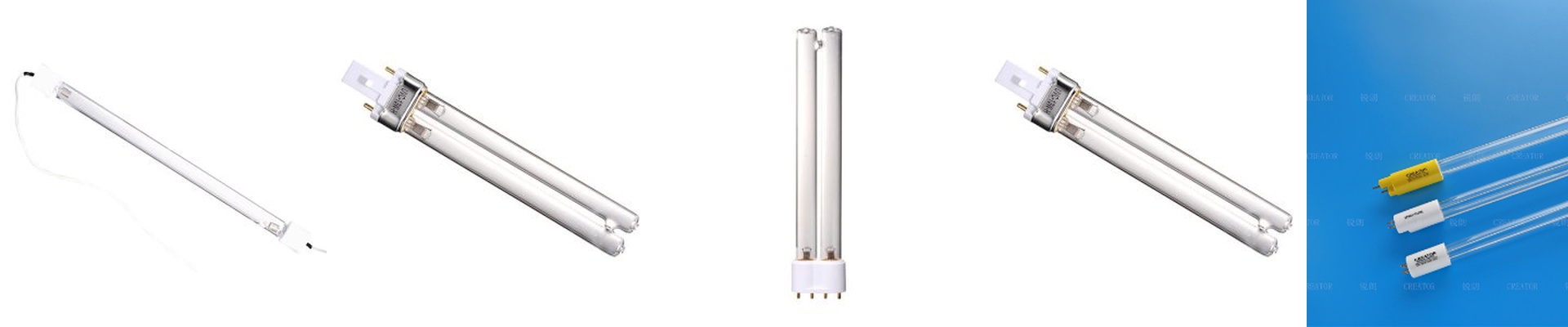
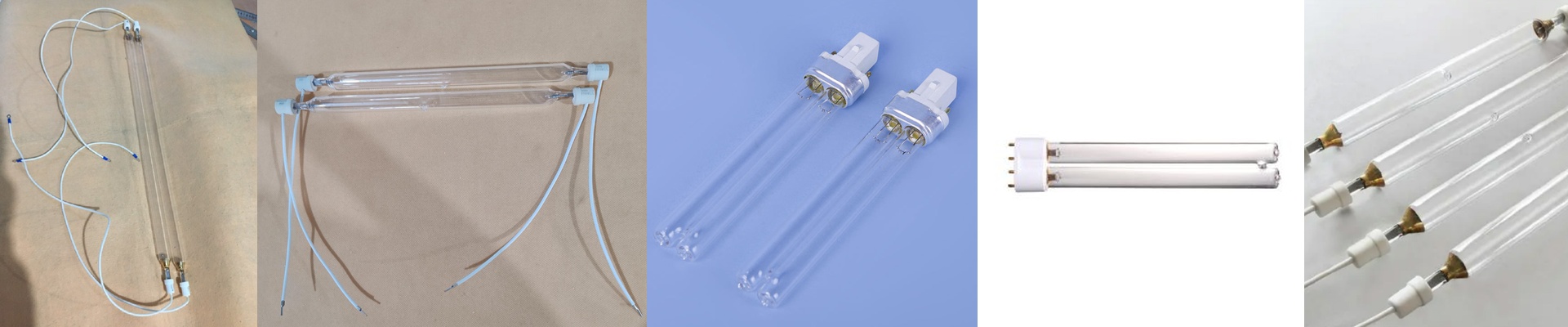
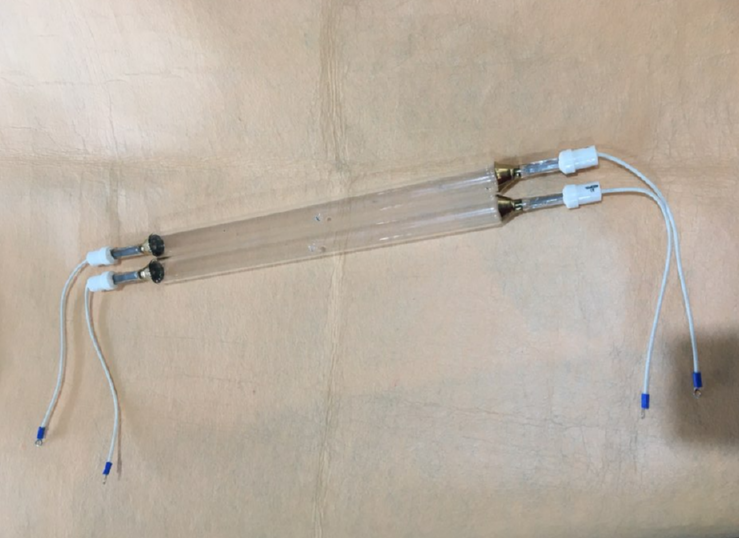
If you’re working with inks and coatings, you know the drill. You need that short-wave radiation to hit the surface just right to trigger the curing process. That’s where our quartz UV lamps come in. We build these tubes to take a beating—specifically the kind of intense heat you find in industrial printing and drying lines. The secret is in the glass. Actually, it’s not glass at all. We use high-purity fused quartz. Regular glass is basically a wall that blocks UV rays, but quartz lets them slide right through. But here’s the thing: it’s not just about the light. These lamps go from ice-cold to scorching hot in a heartbeat. Quartz is the only material that can handle those wild temperature swings without just snapping. A quick word of caution on heat. When you’re running high wattage, things get hot. Fast. You’ve got to keep your reflectors spotless and make sure your cooling blowers are actually doing their job. If your airflow dips, the tube overheats. When that happens, your electrodes fail and the lamp burns out. It’s a headache nobody wants. Getting the fit right. We make our tubes as “drop-in” replacements. We obsess over the length and the pin layout because a loose fit is a disaster. If the lamp doesn’t seat perfectly in the socket, you get electrical arcing. That doesn’t just kill the lamp—it can fry your ballast, too. Plus, we can tweak the configurations based on how fast your line moves. Need more power? Higher wattage means more irradiance, which means you can crank up the conveyor belt speed without worrying about the cure rate. Where this actually happens. You’ll see these lamps everywhere from offset printing and PCB solder masks to automotive paint lines. They’re what allow you to “snap-cure” polymers in a matter of seconds. The result is a finish that’s rock-hard and resists scratches because the UV energy ties the molecules together in a tight, dense web. Just remember: this process creates ozone. It’s a byproduct you can’t ignore. Make sure you’ve got a solid exhaust system to pull those fumes away from your team.