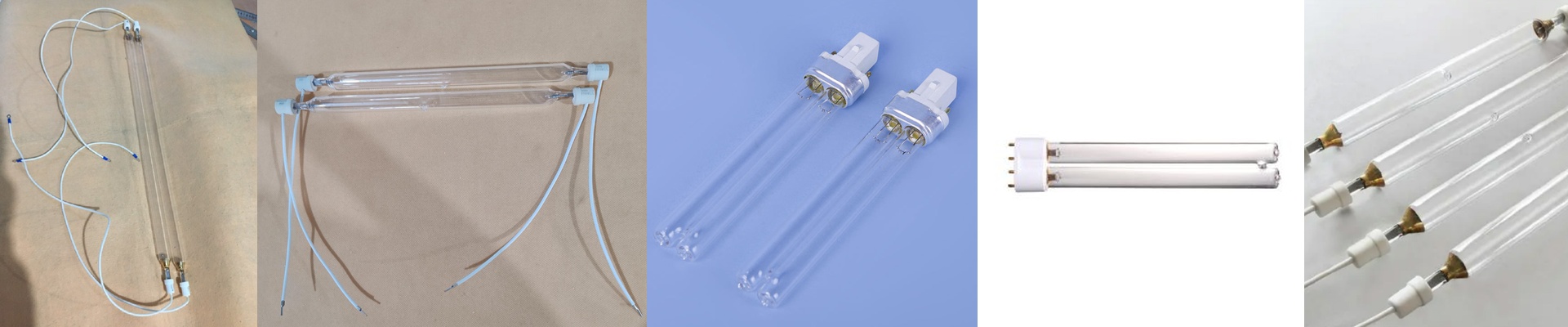
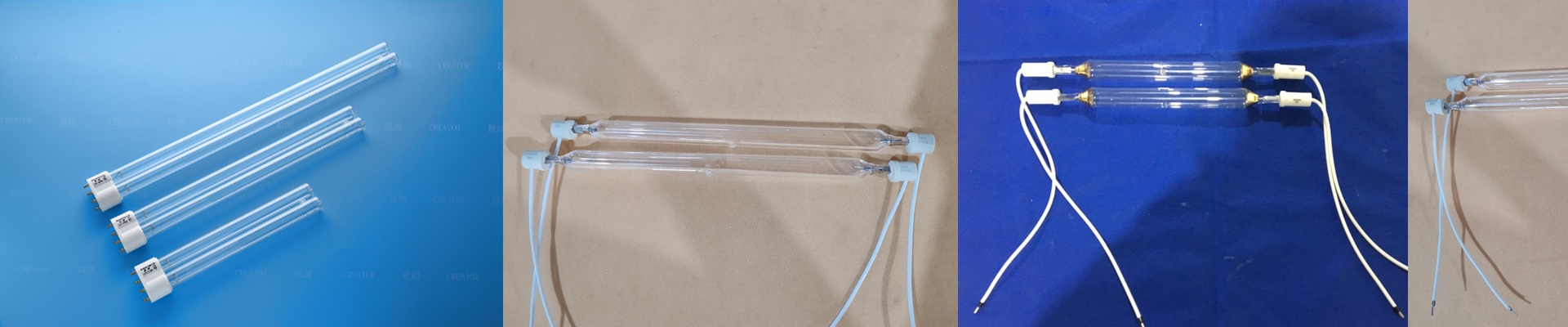
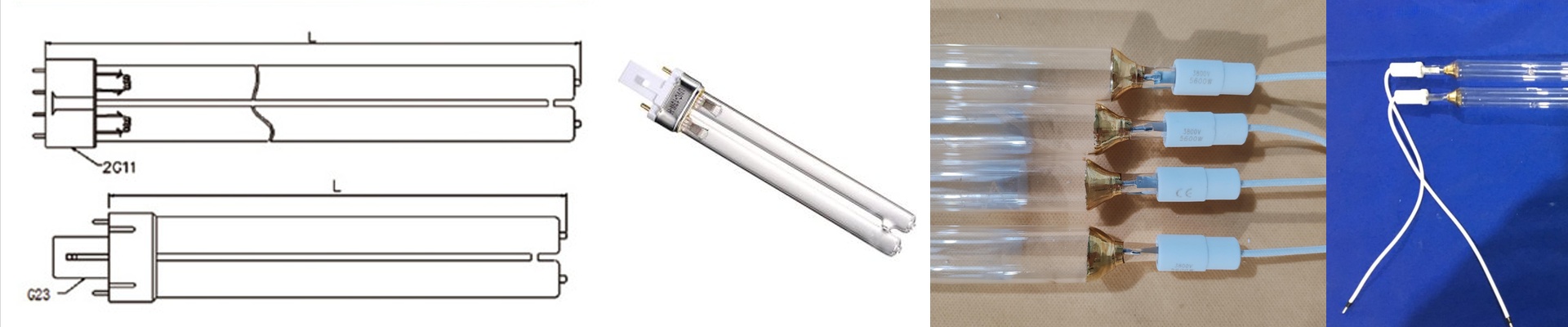
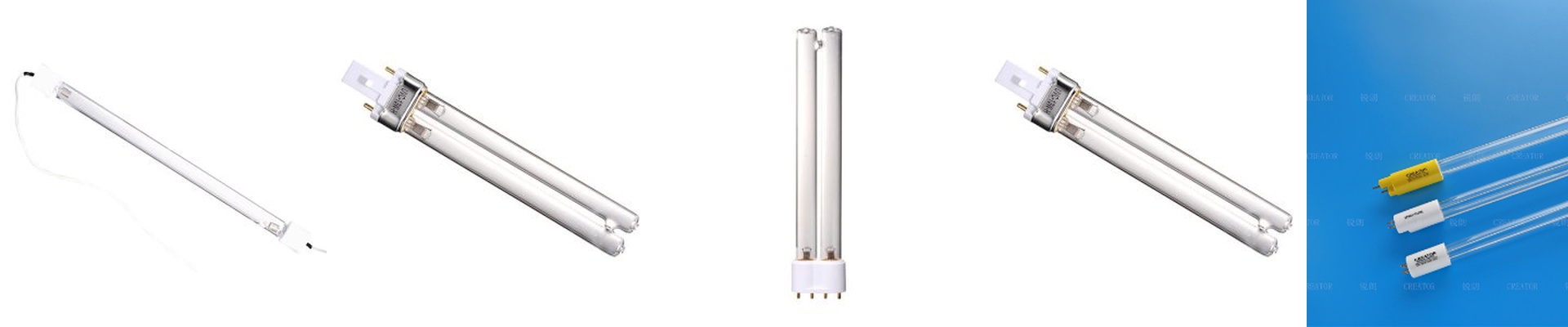
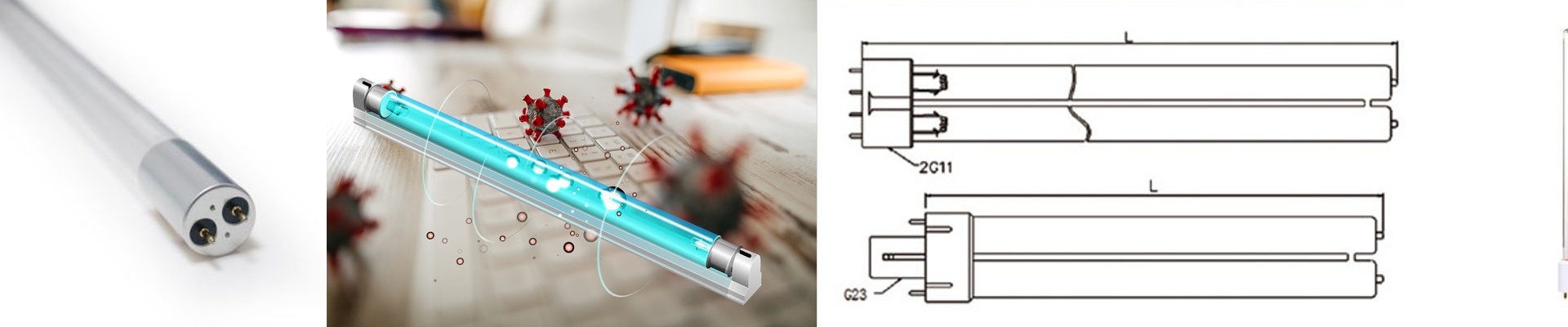
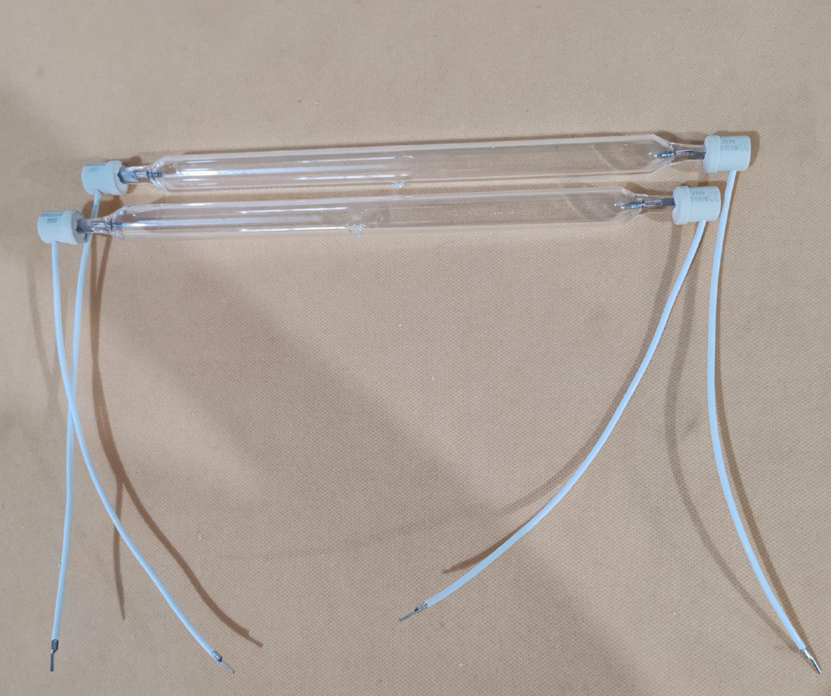
Look, in a textile mill, UV lamps aren’t just some extra piece of gear. They’re the real muscle. Think about it: from the moment the first drop of ink hits the fabric to that final coating on a synthetic shirt, UV radiation is what actually does the work. It takes those liquid resins and snaps them into solid films in a matter of seconds. It’s basically magic, but with physics. Getting the light right Here’s the thing: not every fabric is the same. You can’t just throw a generic lamp at a high-speed line and hope for the best. If you’re cranking out synthetics at top speed, you need a serious punch of power. Otherwise, the ink bleeds before it even has a chance to set, and you’ve got a mess on your hands. We don’t guess. We look at your line speed and the specific chemistry you’re using, then we tweak the gas fill and electrode spacing. We make sure the light hits the exact peak your ink needs to cure instantly. The heat struggle We use high-purity fused quartz for the tubes. Why? Because standard glass absorbs UV energy, gets way too hot, and burns out. Nobody wants to stop production because a bulb popped. But there’s a trade-off. A higher wattage lamp means your product cures faster, which sounds great. But it also puts a massive load on your cooling system. If your airflow can’t keep up with that heat, your fabric might warp or the lamp will just give up. It’s all a balancing act between raw power and how much heat your machine can actually handle. Making it fit We build these to be simple drop-in replacements. Whether you’ve got standard pin-bases or something a bit more custom, we make sure the fit is tight. No loose connections, no arcing. The best part? Most of the engineers we work with notice that a custom-tuned lamp kills that annoying “tack” on the fabric. That means you can stack your finished rolls immediately. No sticking, no ruins, just a clean finish.