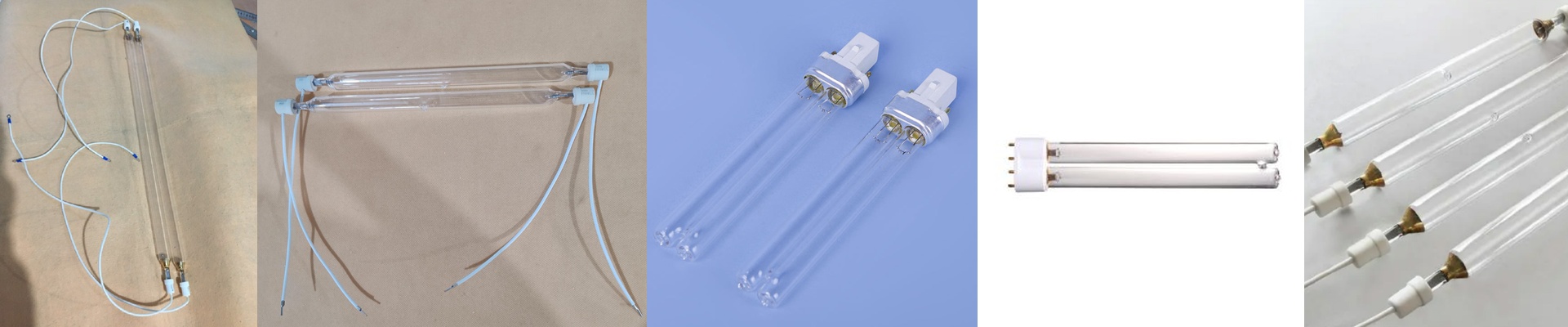
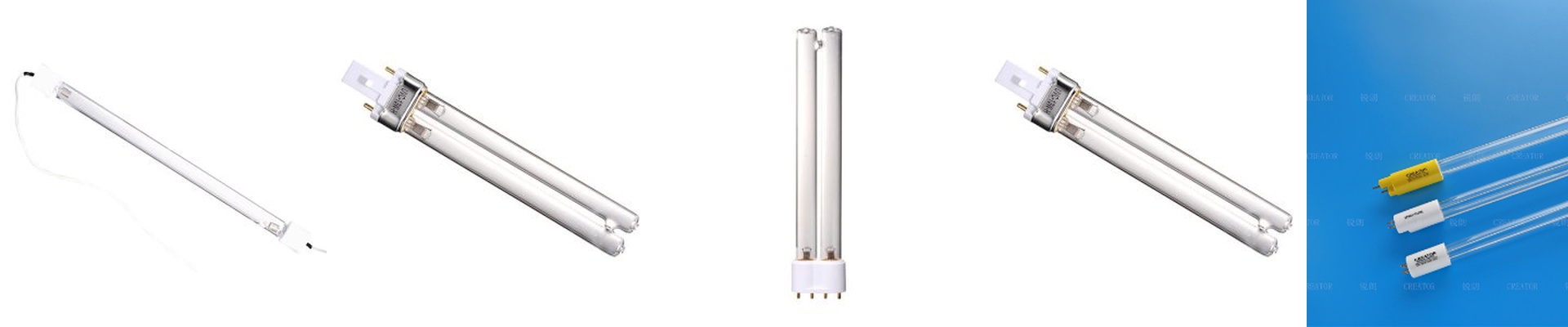
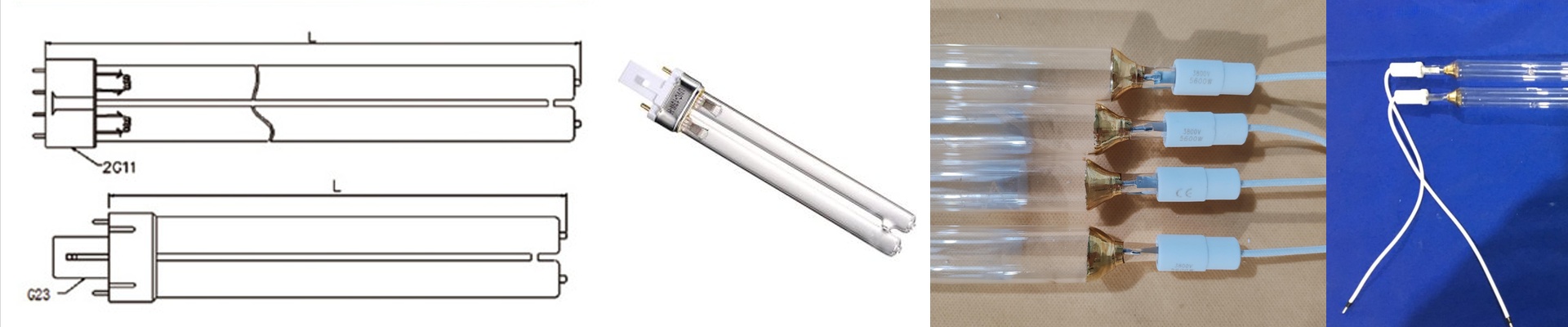
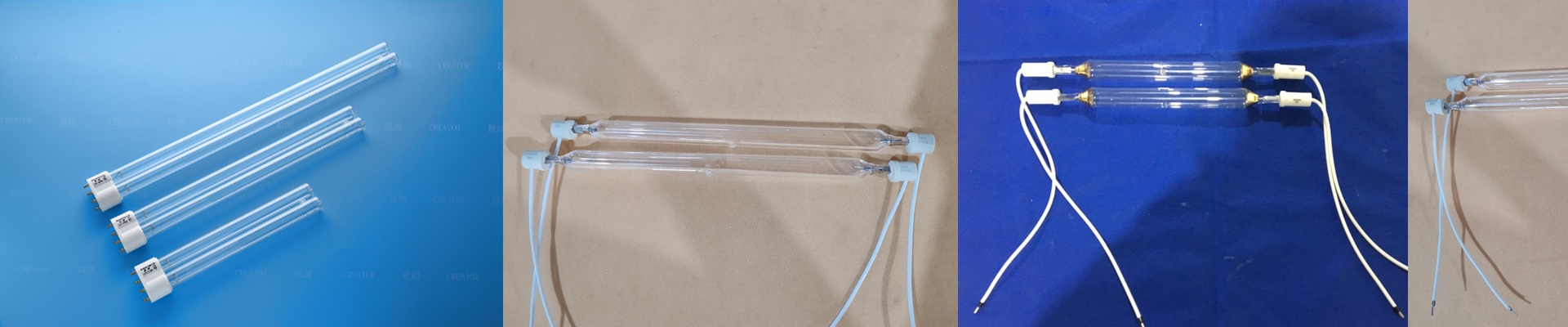
Let’s Talk About the 80W/cm Mercury UV Lamp
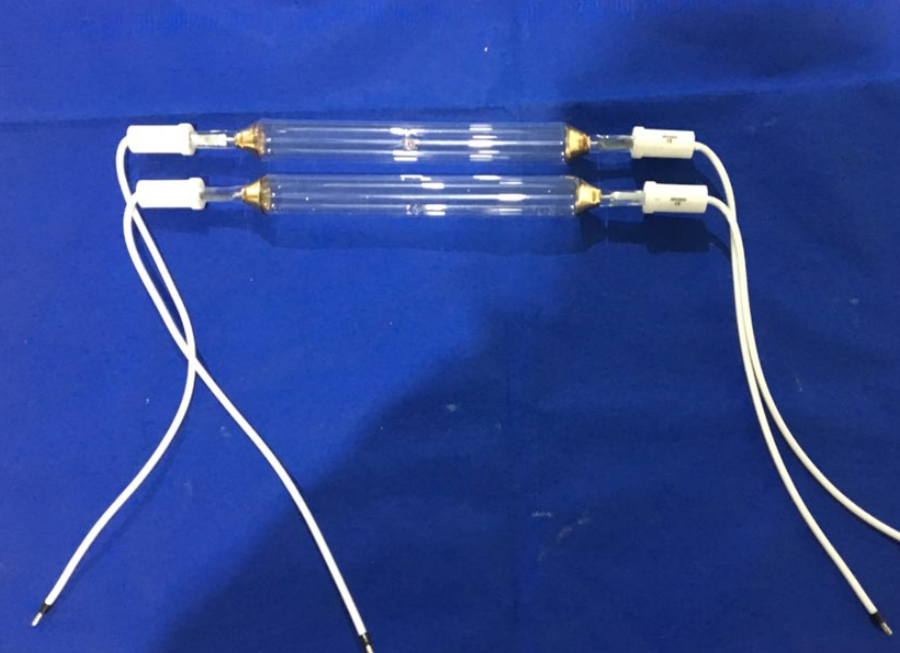
We built our standard mercury UV lamps to hit exactly 80W/cm. Why? Because most small to mid-sized print shops don’t need a massive, overpriced curing array that takes up half the room. They just need something that works.
Getting the Cure Right
Here is the thing about power density: it’s all about making sure that ink actually dries. Our lamps use mercury vapor to create those specific light peaks (254nm and 365nm) that tell the ink to harden instantly. If you go too low on the wattage, you run into the “surface cure” nightmare. You know the one—where the ink feels dry to the touch, but the second you rub it, the bottom layer smears everywhere. It’s frustrating. And it wastes material.80W/cm stops that from happening.
Dealing with the Heat
We use high-purity quartz glass for the housing because it lets the UV rays fly through without getting trapped. But let’s be honest: these things get hot. Really hot. A lot of the energy turns into infrared heat, which is basically wasted power. This is where you need to be careful with your cooling. Whether you’re using forced air or water-cooled jackets, make sure your system can keep up. If the lamp overheats, you’re looking at stressed quartz or burnt-out ends, and nobody wants to replace a lamp in the middle of a rush job.
No-Nonsense Integration
We wanted these to be “plug and play.” Since we stick to the 80W/cm standard, you can usually just swap out your old tubes. You won’t have to mess with your ballast or slow down your conveyor belt. We focused on the build quality so you don’t get that annoying flickering or a random failure during a long run. It’s just a solid, reliable tool for shops that want to get the job done without all the corporate fluff of an enterprise system.