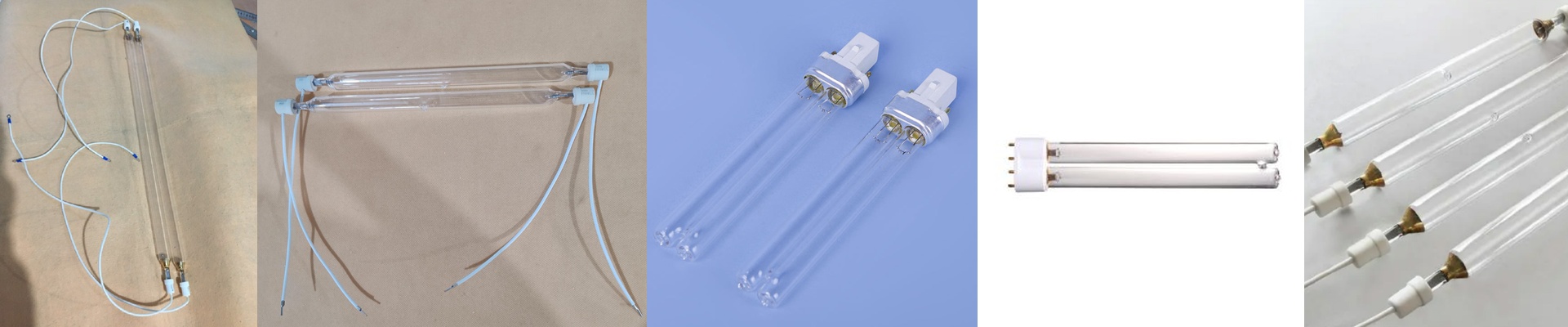
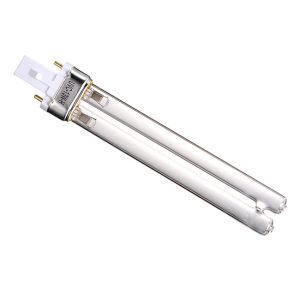
More Than Just a Sticker: Why CE Certification Actually Matters for Your UV Lamps
Look, a mercury UV curing bulb might look like a simple tube of quartz and gas. But in reality, it’s a high-voltage beast sitting inside a very sensitive piece of industrial gear. When people bring up CE certification, it usually sounds like corporate red tape. But it’s not just a badge for the brochure. It’s about making sure your gear doesn’t freak out because of Low Voltage (LVD) or Electromagnetic Compatibility (EMC) issues.
What’s actually happening under the hood?
Mercury lamps get incredibly hot and run on serious voltage. If the insulation is sloppy or the electrode sealing is off, you’re looking at arc-overs or bulbs that burn out way too fast. To hit those CE standards, we have to be obsessive. We tighten the tolerances on the quartz thickness and make sure the mercury fill is pure. Why? Because if a lamp leaks electromagnetic interference (EMI), it can mess with your sensors or trip the PLCs in your curing line. A cheap bulb might work for a week. But eventually, it’ll start creating “noise” in your control circuits, and that’s when the headaches start.
Avoiding the nightmare scenario
If you’re running a shop in Europe or any high-end market, using a non-certified lamp is a huge gamble. Here’s the scary part: popping in a non-CE component can actually void the warranty on your entire curing system. That’s a risk nobody wants. We build our bulbs to be simple drop-in replacements that hit every safety benchmark. You get the performance you need without having to tear apart your electrical panels. Sure, there’s a trade-off. Doing things the right way costs more. We can’t use cheap quartz, and we have to run way more batch tests. But that’s the price of peace of mind.
What this means for your floor
At the end of the day, a CE mark means the power draw and heat output actually match what’s written on the datasheet. You can wire it up and get back to work knowing the lamp won’t melt the housing or blow a fuse because of a random voltage spike. It’s the difference between a smooth production run and that sinking feeling you get when the line suddenly stops.