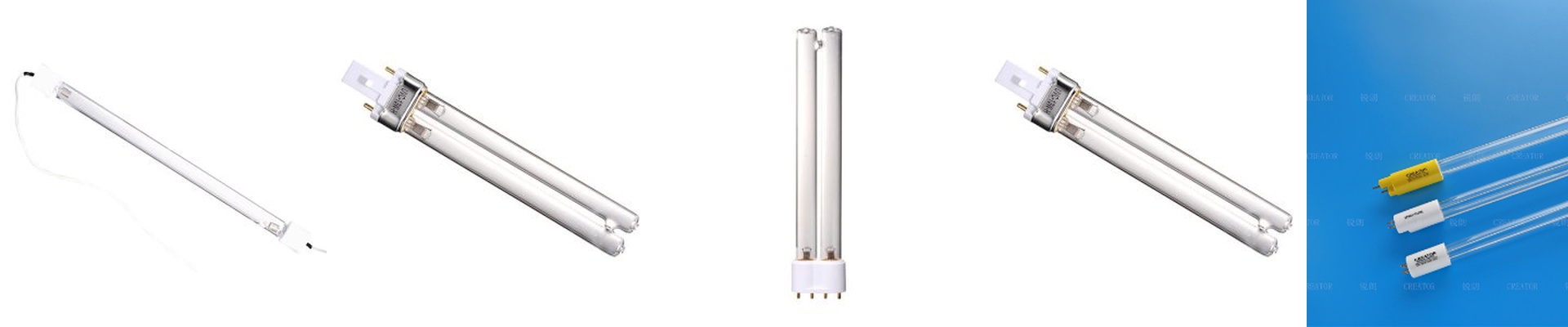
Getting the Spectrum Right: The Story Behind Our Gallium Iodide UV Lamps
Most UV lamps are a bit messy. They throw out a broad curve of energy, which is fine for some things, but if you’re doing high-precision curing or specific photochemical work, most of that light is just wasted. It’s like trying to paint a fine line with a house-painting brush. We wanted something sharper. So, we dove into Gallium Iodide (GaI) chemistry to see if we could tighten that window down to a 0.5% spectral energy concentration.
The struggle with the physics
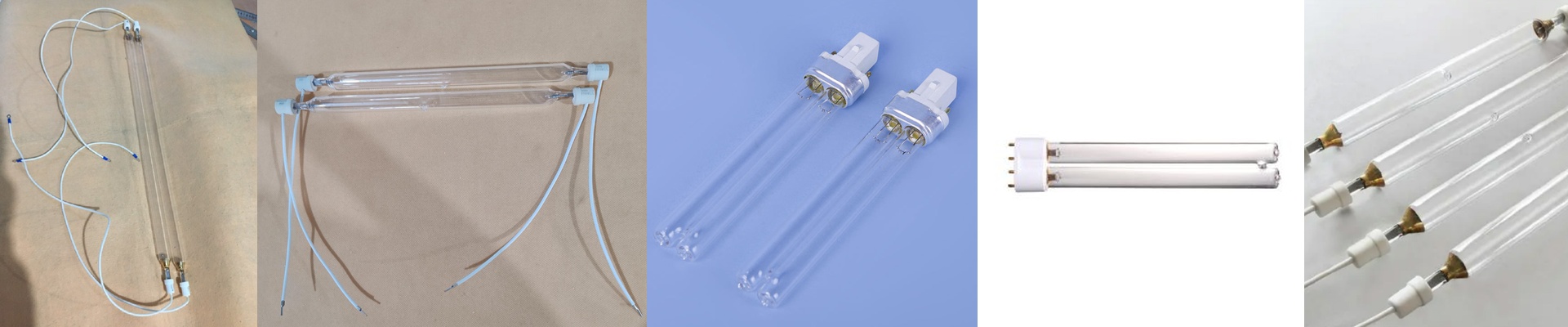
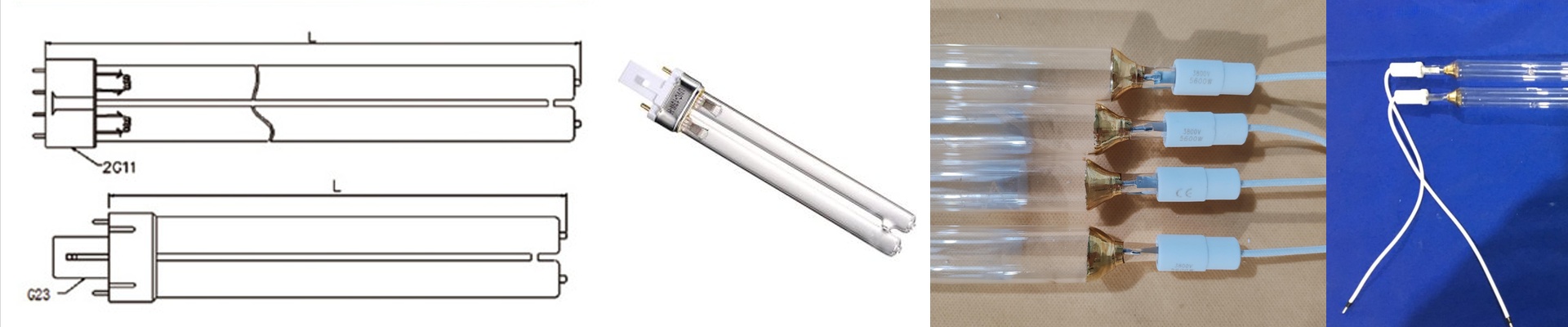
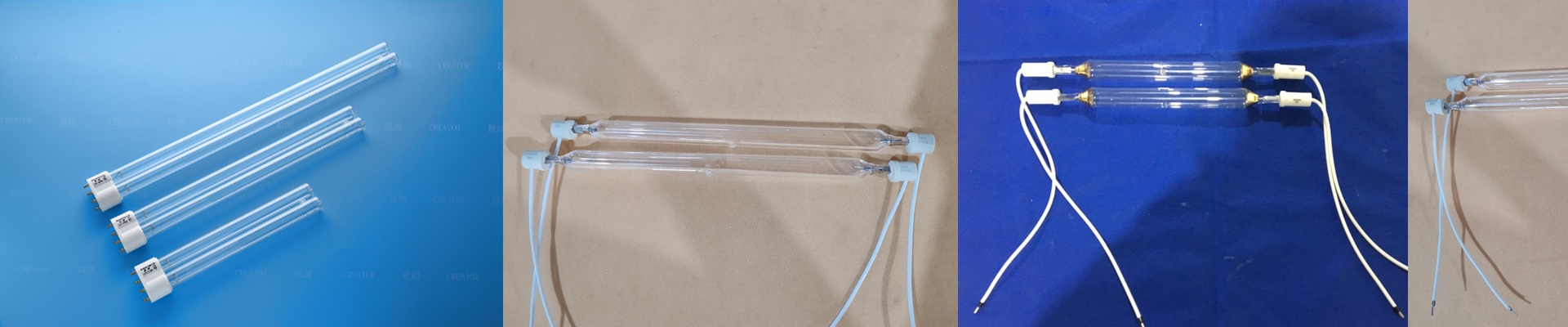
Here’s the thing about Gallium Iodide: it lets us isolate specific UV wavelengths in a way that standard mercury lamps just can’t. But it’s temperamental. To get that 0.5% concentration, the gas fill pressure and the internal tube temperature have to be spot on. If the pressure is off by even a tiny fraction, the peak shifts. Just like that, your precision is gone. We spent months tinkering with the fill process, failing and trying again, until we finally locked in that narrow band.
Keeping things cool
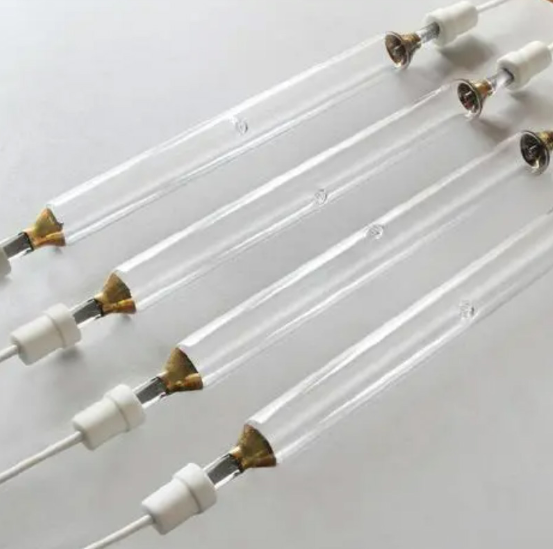
When you concentrate energy like this, you get a lot of heat. A lot. To handle it, we use high-purity synthetic quartz. It stops the lamp from “solarizing”—which is just a fancy way of saying it keeps the UV output from dropping as the lamp gets older. We also made sure the tubes can handle high-voltage stability. Why? Because if the arc starts wandering, your spectral purity goes right out the window. One quick tip: make sure your housing and cooling fans can actually handle the heat load. If the lamp runs too hot, that spectral peak will drift. You can’t skip the heat sinking on this one.
Where this actually matters
These lamps are for the jobs where “close enough” will get you fired. Think high-end analytical chemistry or semiconductor lithography. The best part is that they’re a drop-in replacement for those broad-spectrum lamps you’re probably already using. But the difference is huge. You get way more photons hitting your target wavelength. That means you can cut down your exposure times and stop worrying about accidentally cooking your substrate with excess heat. It’s just a cleaner, faster way to work.