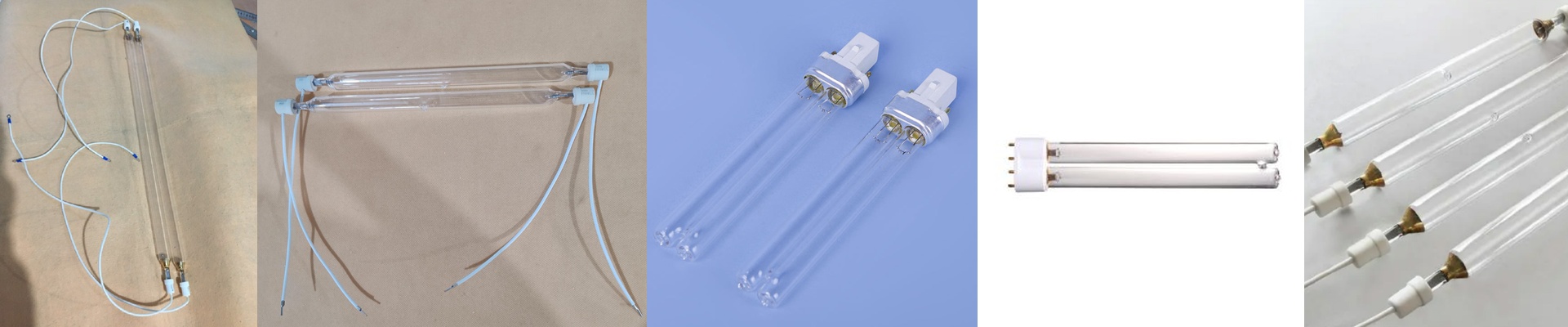
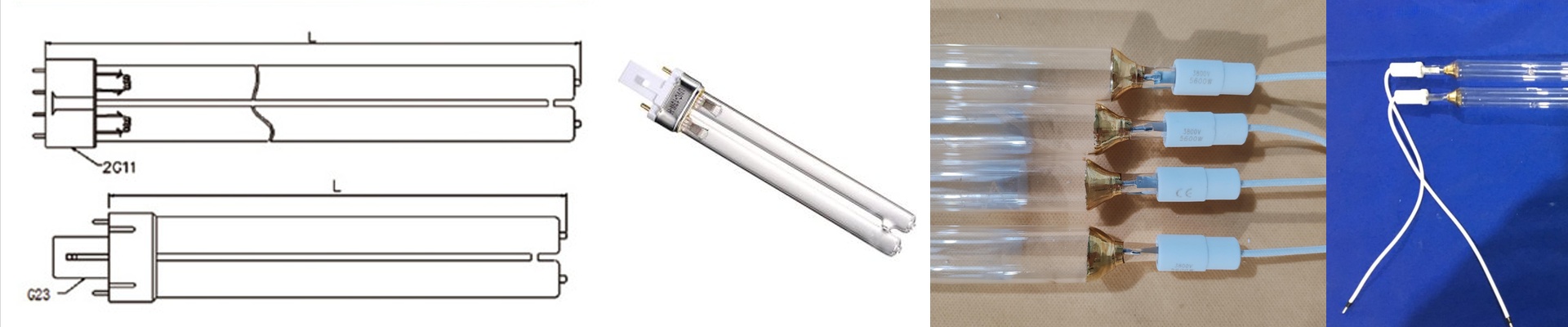
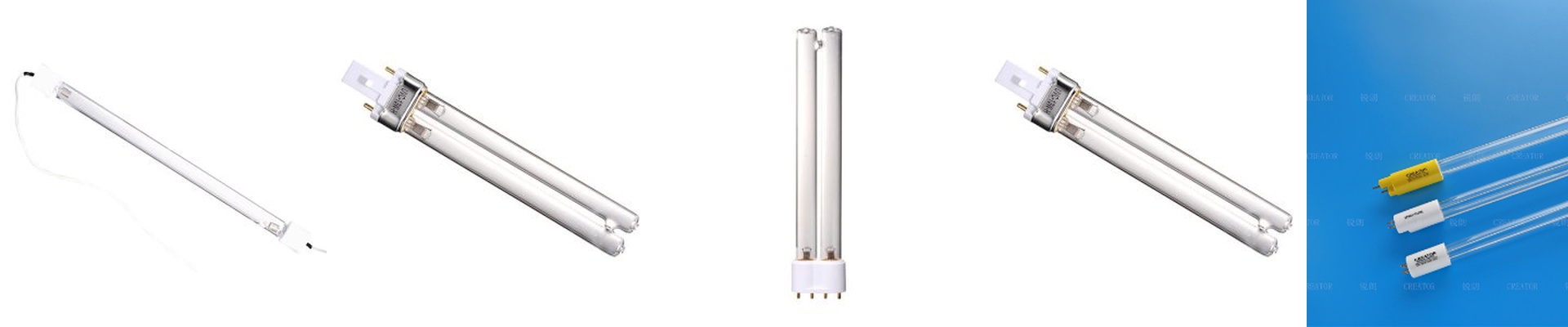
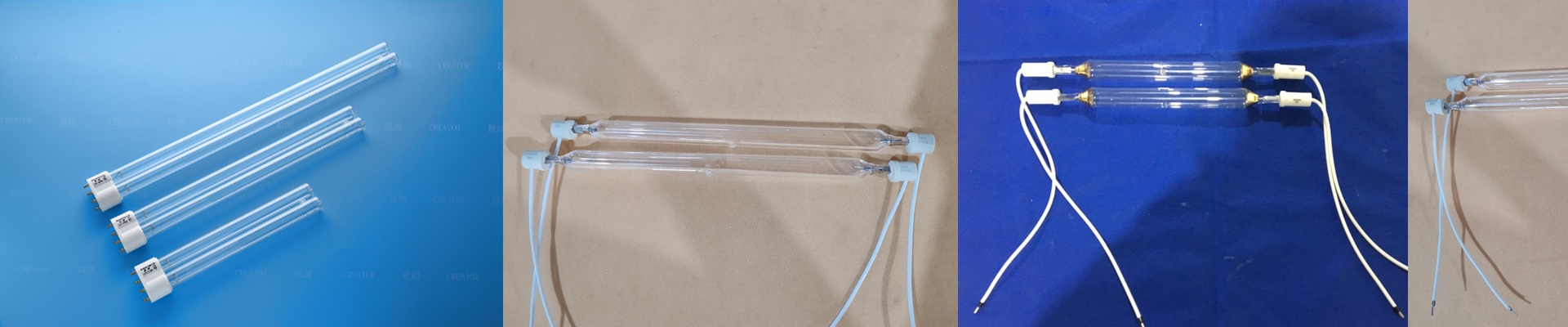
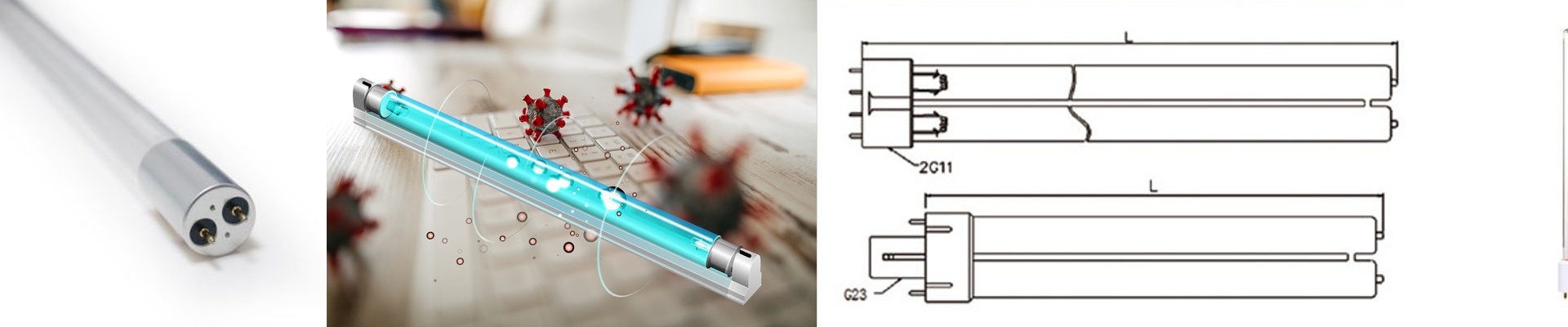
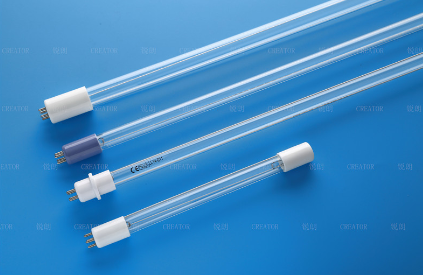
In label flexo, you see pattern blur and haloing, and nine times out of ten it traces back to UV exposure that’s all over the place—peak irradiance drifting, spectral output shifting, and cure thresholds that fall short of what the ink layer actually needs. The fallout is predictable: wasted substrate, rework, and downtime you didn’t plan for. What matters, technically Gallium iodide lamps reshape the UV output by suppressing the 254 nm mercury line and packing more energy into the 365–405 nm band. That spectrum lines up with the photoinitiator absorption in many label inks and photoresist systems, so cross-linking speeds up while you keep excess substrate heating in check. Hold the arc length steady and dial in the reflector geometry, and you get uniform dose across the print width—typically 600–1200 mJ/cm², with peak irradiance above 1.5 W/cm². Extend lamp life by controlling electrode erosion and keeping output within ±3% over 5,000+ hours, and maintenance intervals stretch out the way you want them to. Why this plays well on a label flexo line On flexo, cure consistency is what caps your press speed. Gallium iodide lamps keep cure energy stable even as you run faster, so dot gain and edge spread stay under control. The narrowed spectral band gives you a strong surface cure without overexposing the base layer, which helps hold color density and registration. You also save energy because the lamp turns electrical input into usable UV more efficiently. Fewer lamp swaps mean fewer stops and less scrap. Here are the practical things to watch Gallium iodide lamps are sensitive to how you run them. Match ignition voltage and ballast to the lamp’s rated power, and keep arc gap and reflector alignment within the manufacturer’s tolerances. Output drifts with airflow and ambient temperature, so keep the lamp compartment stable to avoid thermal drift. Before you commit, confirm compatibility with your flexo dryer module and curing window—some presses need specific lamp lengths and connector types.