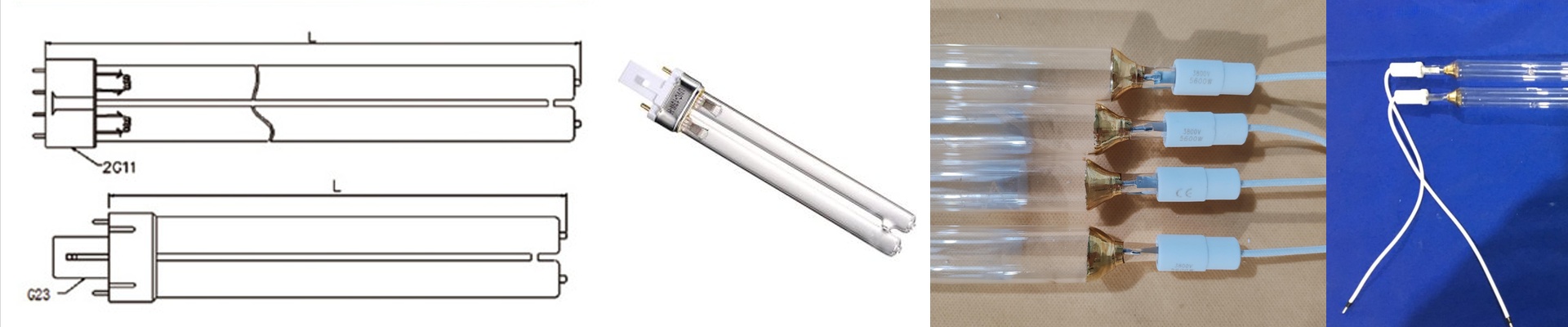
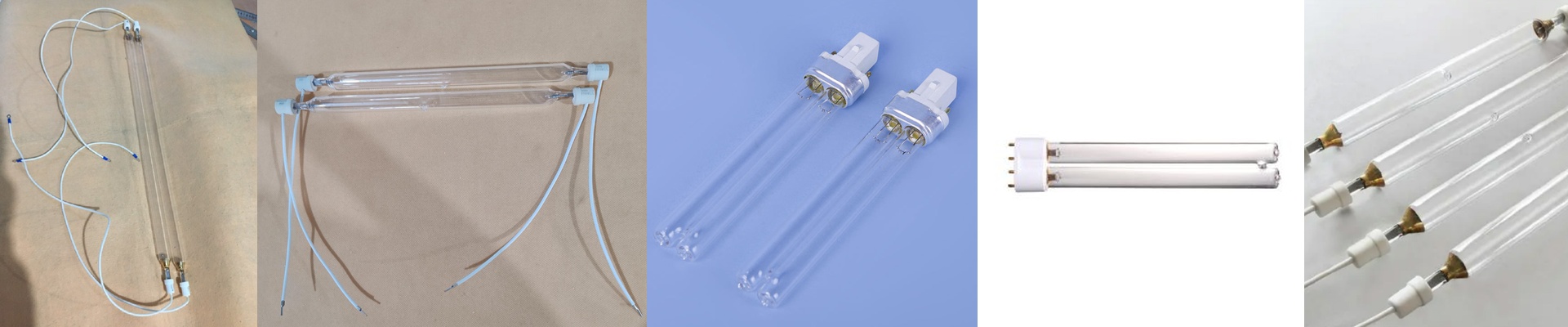
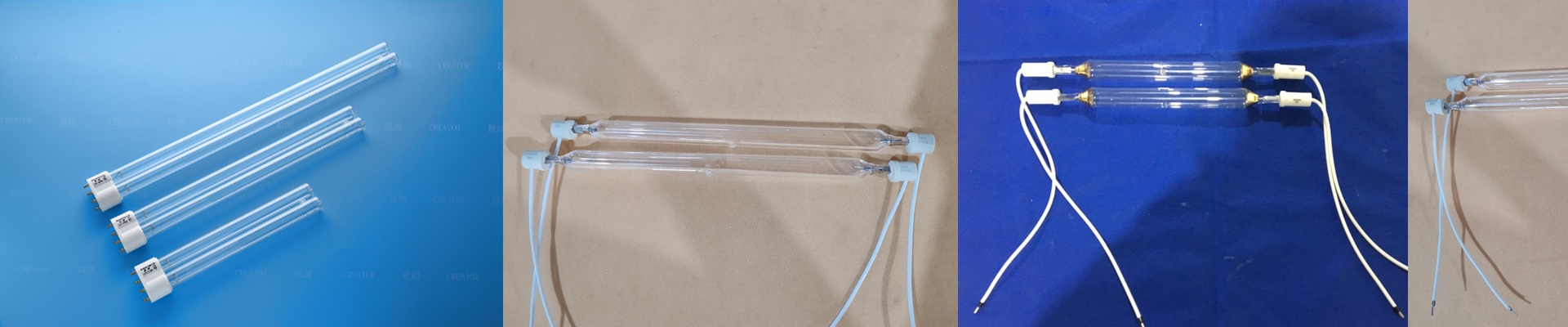
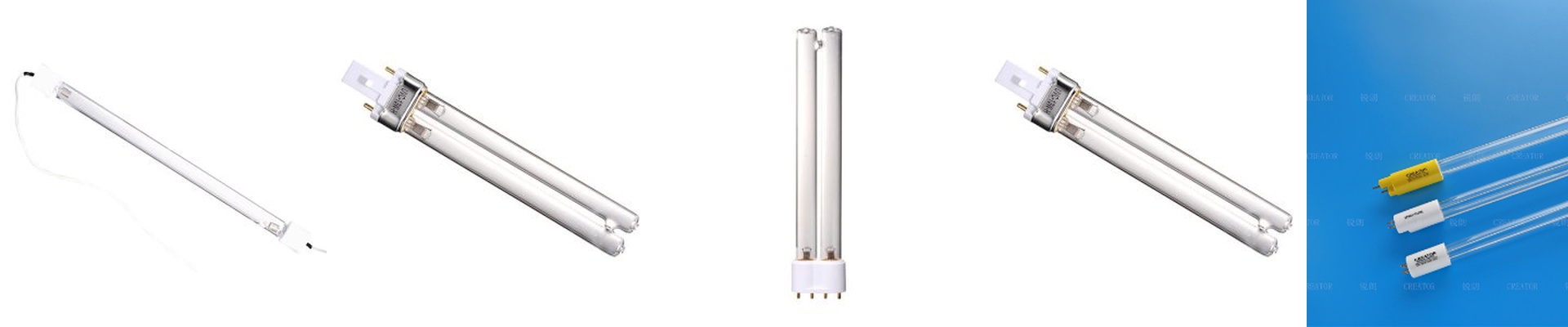
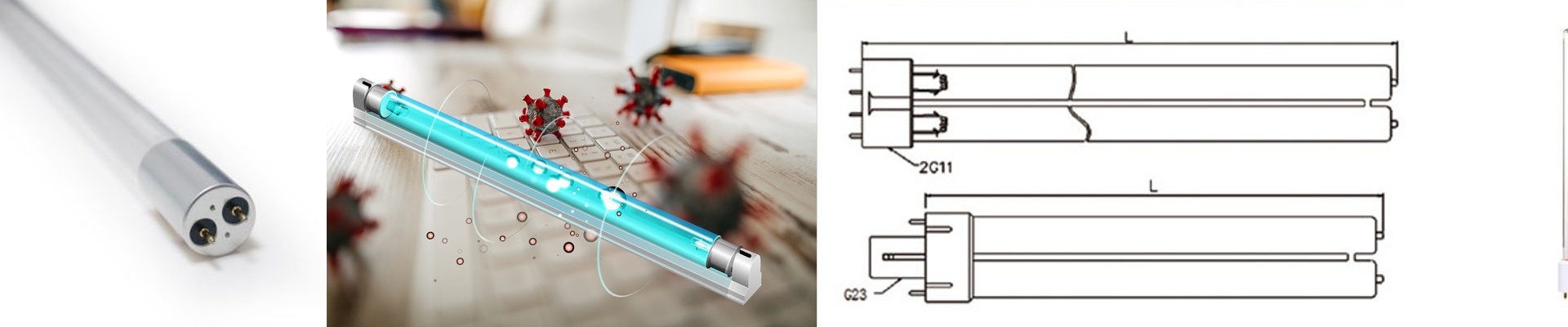
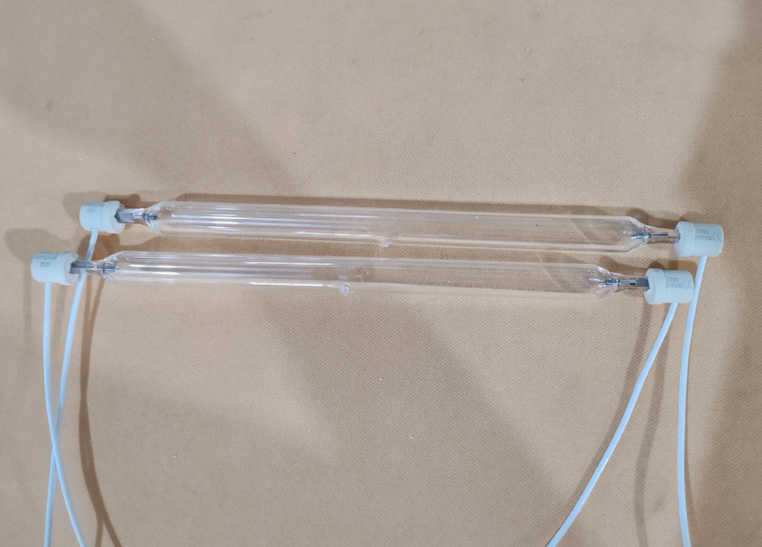
In electronic component printing, the curing step is where yield gets eaten alive. If your UV lamp can’t hold steady spectral output and temperature, you either under-cure ink adhesion or you cook thin-film traces, junctions, and low-Tg substrates. We built the Gallium Iodide Lamp 3000W 380V around a controlled-emission arc tube. The goal is repeatable irradiance, not just brute thermal load. The lamp is meant to behave predictably. Gallium iodide doping pushes the primary output into the 385–405 nm band, which lines up with the photoinitiators in a lot of low-migration inks. At the same time, it cuts back on short-wave UV that drives surface heating. The 3000W rating at 380V gives you high peak irradiance for fast cross-linking. But the real differentiator is the stable arc design that keeps power regulation tight. Pair it with a closed-loop controller and you can set curing energy density and hold it, instead of chasing thermal spikes. On the line, that translates to consistent cure-through at speeds up to typical industrial offset/screen thresholds, with less substrate temperature rise. Fewer hot-spot inspections, less rework, and adhesion stays stable on sensitive components. You also save energy because the system isn’t constantly compensating for lamp drift and thermal lag. Installation comes down to nailing the electrical and thermal interface. The 380V supply has to match the lamp and ballast spec, and the reflector assembly needs to be aligned to the defined focal plane. If it’s off, irradiance uniformity drifts. For the most stable performance, run an ozone-free configuration and confirm it plays cleanly with your printer’s lamp compartment and airflow profile.