What We Learned from 3,000 Printing Plants
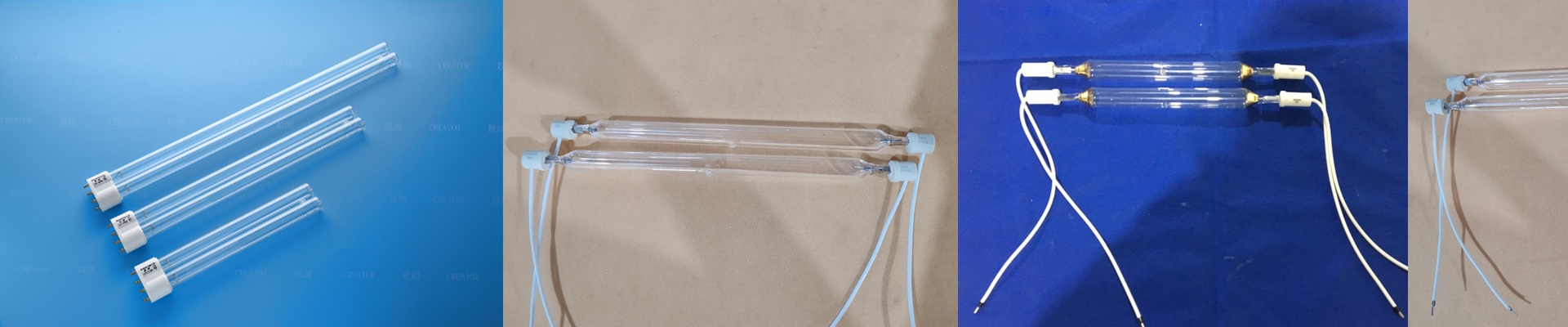
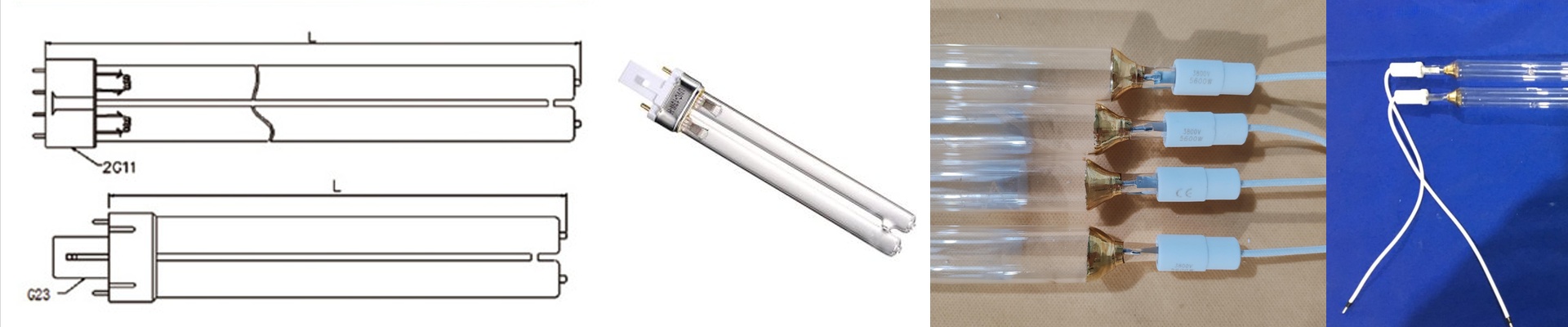
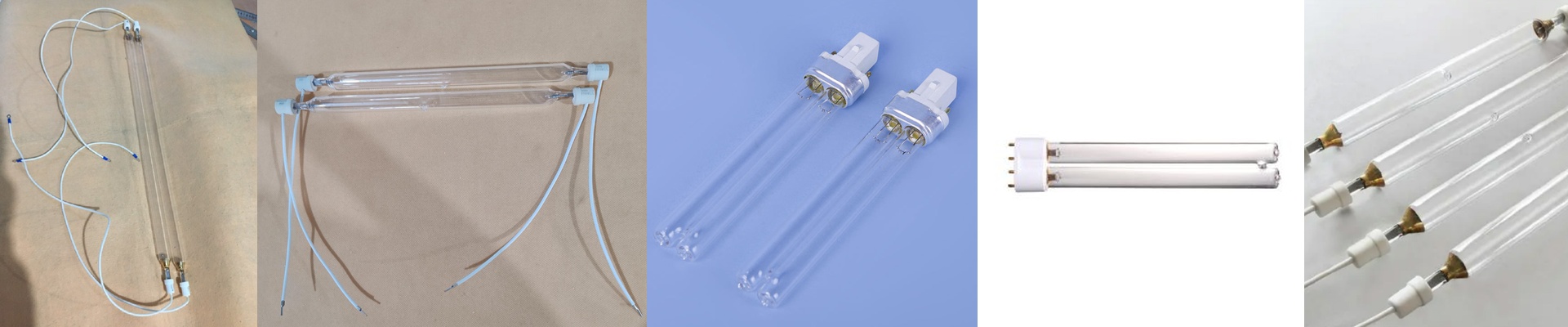
We didn’t design our UV lamps in a sterile lab. We spent time in 3,000 different printing plants, watching where things actually go wrong. Here’s the truth: most lamps are built for “perfect” conditions. But shop floors aren’t perfect. They’re dusty, they shake, and they get hot. That’s what kills tubes. So, we stopped chasing theoretical specs and started focusing on what actually keeps a lamp running when things get messy. The balancing act of power To get ink to cure properly, you need a specific hit of UV energy. If you miss the mark, you end up with that annoying tacky feeling on the surface. It’s a bit of a tug-of-war. You want more wattage for more power, but that makes the quartz envelope run hotter. Plus, it all depends on your conveyor speed. If you’re cranking up the line to hit a deadline, you need more watts per inch just to make sure the ink is fully dry by the time it hits the end of the belt. The small stuff that actually matters We use high-purity synthetic quartz for the envelopes. Why? Because we don’t want the glass soaking up the light it’s supposed to be letting out. For the electrodes, we went with tungsten. It keeps them from burning out when you’re constantly flipping the power on and off. But the real killer? The wiring. Most failures happen right at the connection. Machines vibrate, connectors loosen, and then you get arcing. That’s a fast track to a dead lamp. We switched to reinforced connectors that actually stay put, no matter how much the machine shakes. The heat problem Here is the catch: high-output lamps put out a massive amount of infrared heat. Sure, you get a faster cure, but there’s a price. Too much heat can warp thin plastics or dry the ink so fast that you get bubbles. You can’t just “turn it up” and hope for the best. Your cooling system has to be able to keep up, whether you’re using forced air or water jackets. And keep an eye on your fans. If they get clogged with ink mist, your lamp will overheat, and you’ll see its lifespan drop by about 30% almost overnight.