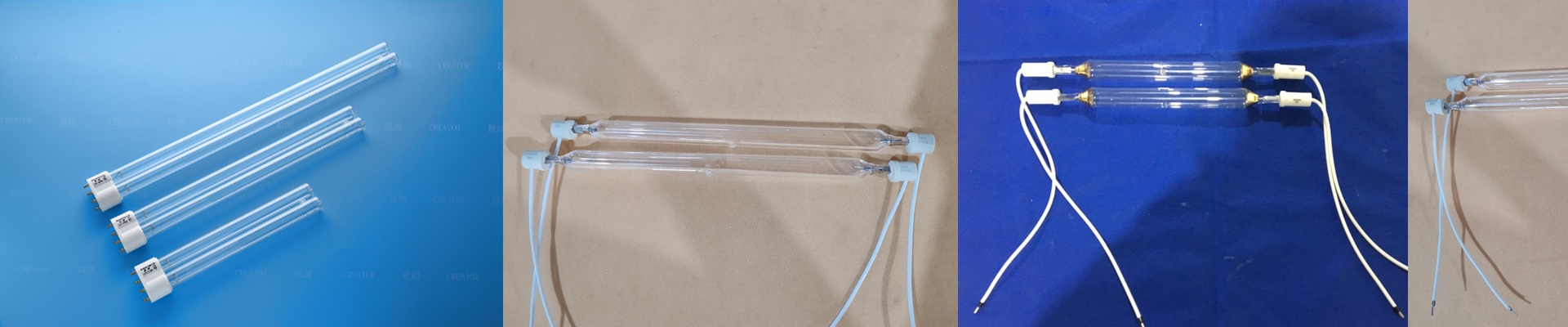
Stop Chasing Total Wattage. Start Focusing on Where the Energy Actually Lands.
Most UV lamp suppliers will try to sell you on total wattage. They treat it like a horsepower race. But here’s the thing: if your lamp hits the target wattage but sprays that energy all over the place, it’s basically a failure. You end up with uneven curing, wasted power, and a lot of frustration.
Getting the Physics Right (The 0.5% Secret)
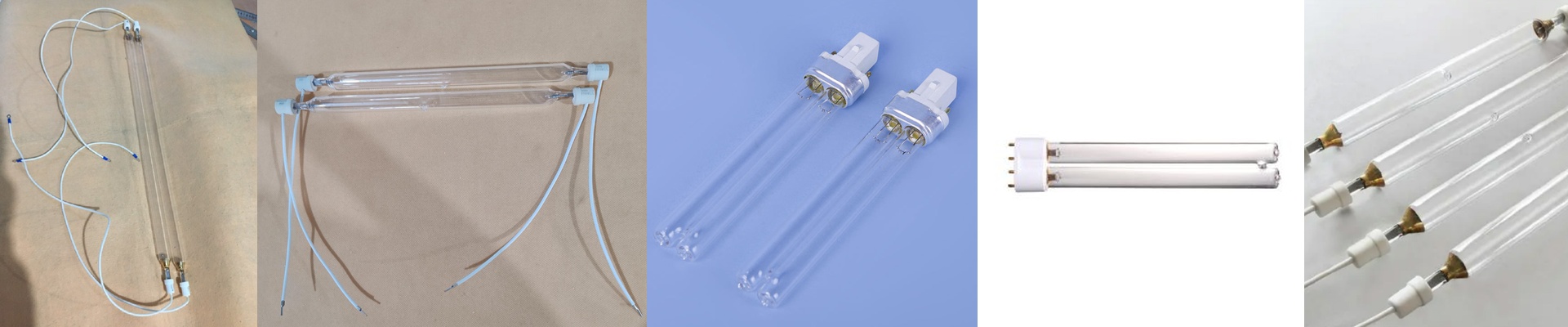
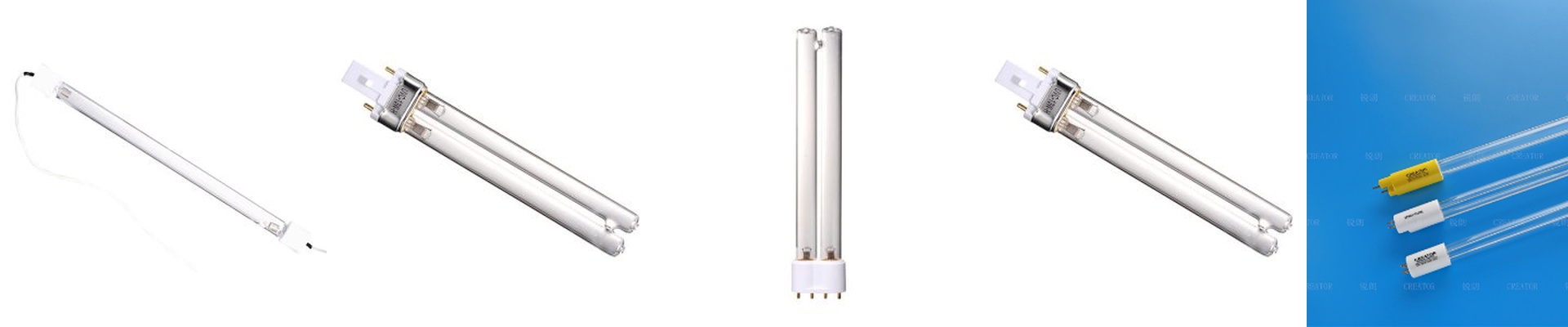
Our R&D team spent months obsessing over electrode geometry and gas mixtures just to hit a 0.5% spectral energy concentration. This isn’t about raw power. It’s about precision. We’re talking about narrowing that peak emission wavelength so the energy goes exactly where it’s supposed to. We even tightened the tolerances on the quartz tube walls. Why? Because if the arc wanders even a little bit, your energy density tanks and your cure rate starts swinging. To make sure those photons actually get out of the tube instead of just heating up the glass, we use high-purity synthetic quartz. It just works better.
Fitting These Into Your Setup
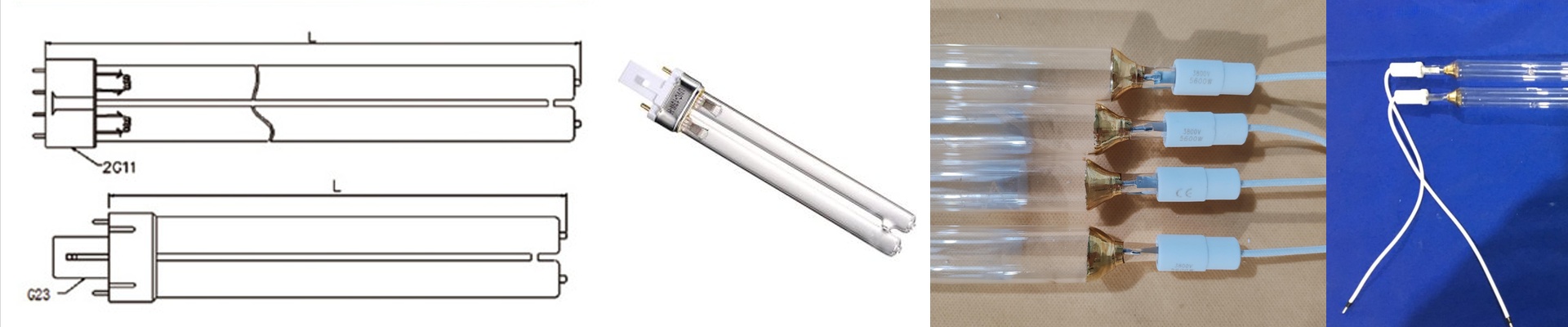
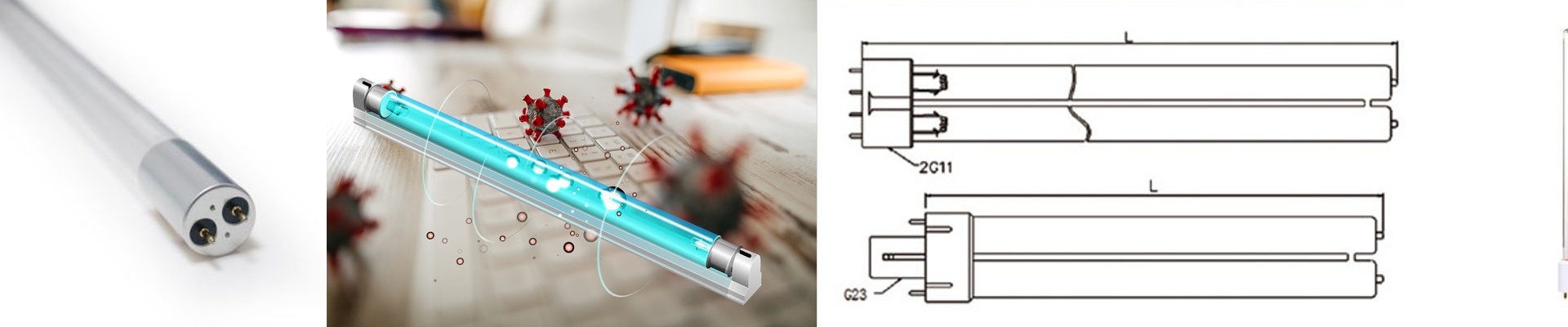
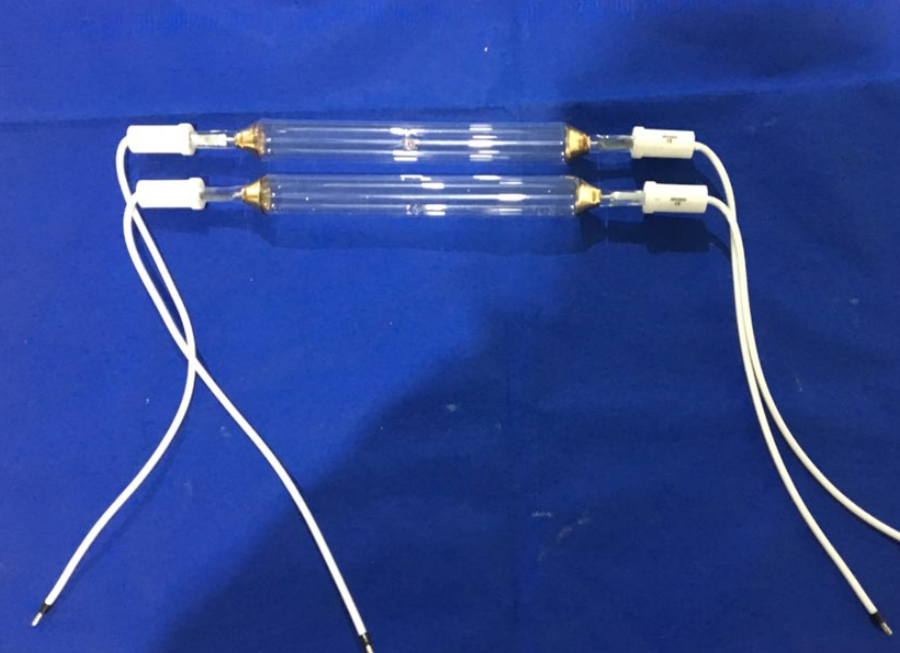
We design these lamps to be easy. Whether you need a drop-in replacement or a custom component for an OEM build, we can handle the footprint and the connectors. But a word of caution: high spectral concentration creates a lot of localized heat. You can’t just toss these into a standard housing and hope for the best. Your cooling system needs to be ready to dump that excess heat. If it isn’t, you’re going to kill your lamp life because the electrodes simply can’t take that kind of thermal stress.
The Honest Trade-offs
Look, tightening the spectral window to 0.5% makes the chemical reaction in your resins or coatings incredibly precise. That’s the win. The catch? Your setup becomes a bit more sensitive. You have a smaller margin for error when it comes to focal distance. If your lamp-to-substrate gap is off by just a few millimeters, you’ll notice a sharper drop in intensity than you would with a broad-spectrum lamp. To save you the headache of guessing, we provide the photometry data. That way, you can align your reflectors and wire everything up correctly the first time.