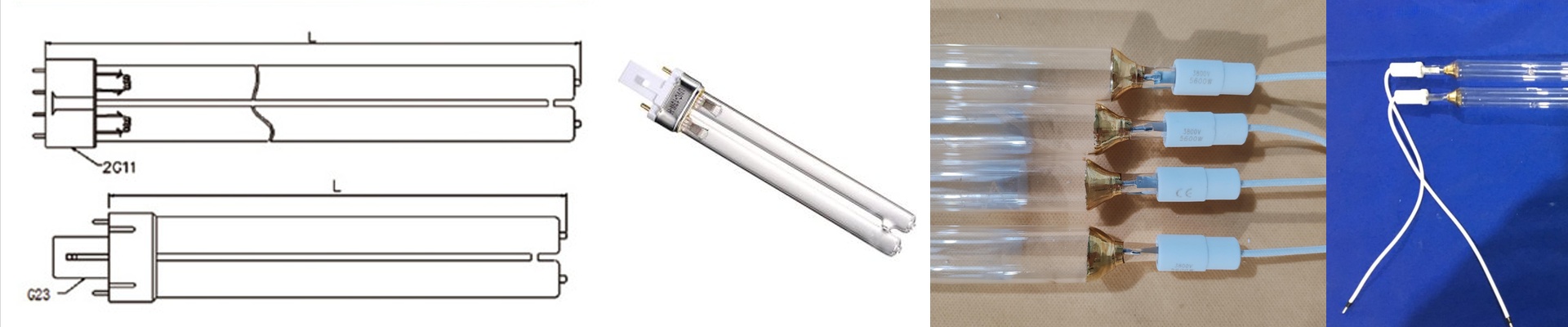
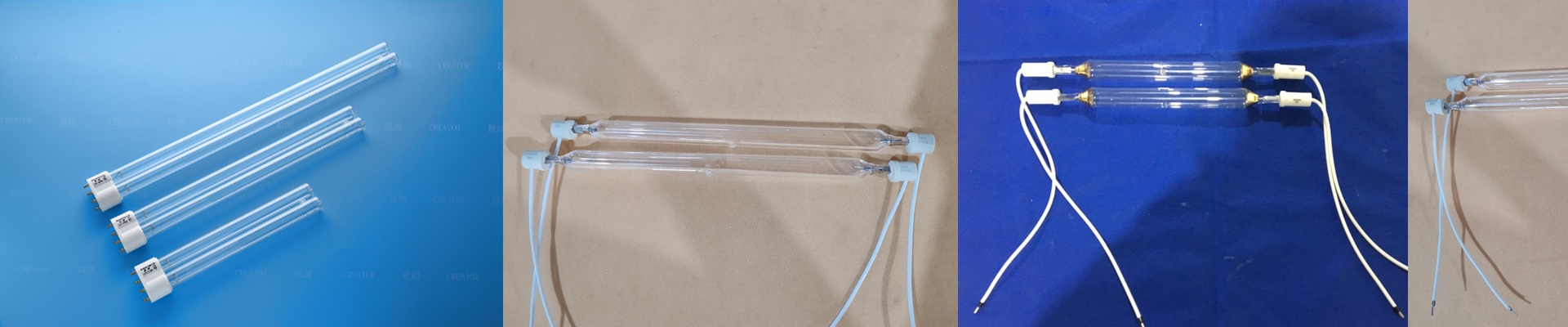
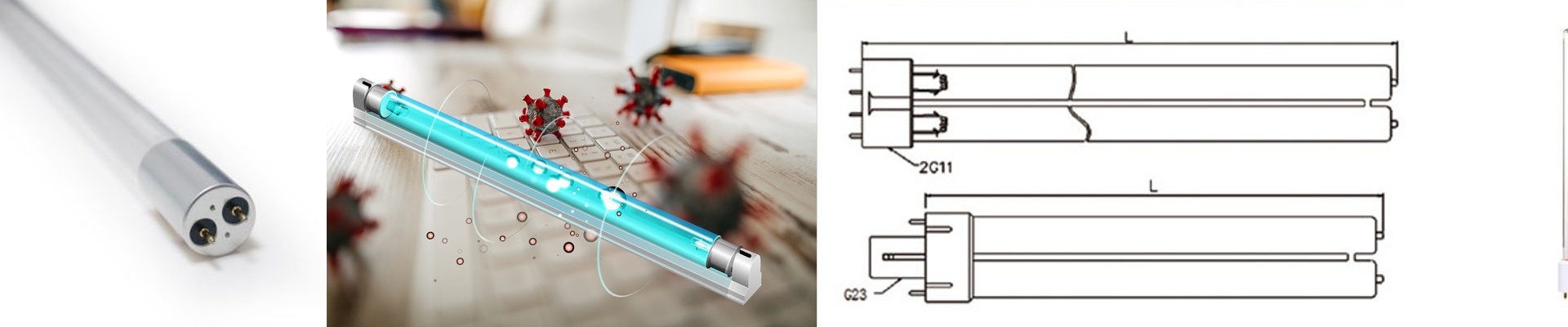
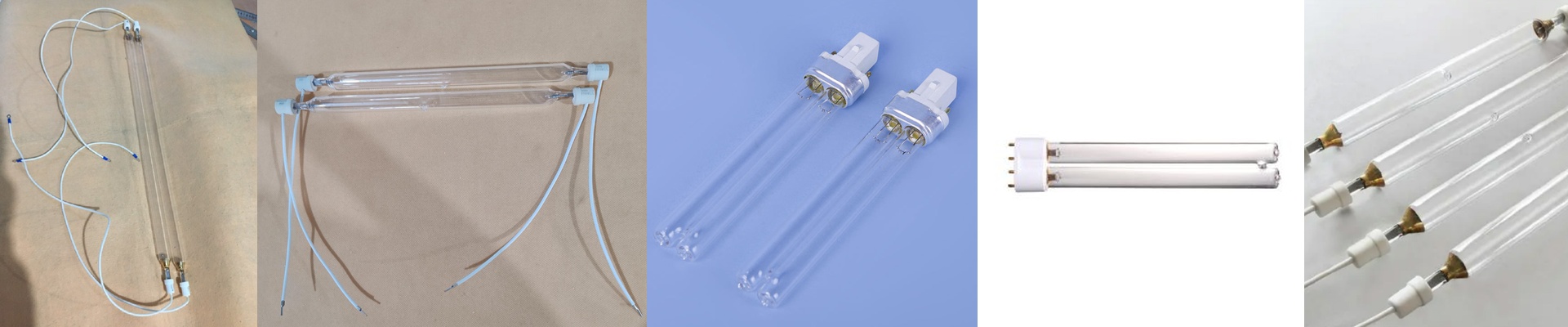
Getting the Most Out of Your Gallium Iodide Lamps
If you’ve ever dealt with ink that looks great coming off the line but peels off the second it hits a washing machine, you know the frustration. Usually, it’s because the ink only cured on the surface. That’s where Gallium Iodide (GaI) lamps come in. Most standard mercury lamps hit their peak at 254nm. That’s fine for some things, but for thick inks on fabric or synthetics, it’s just not enough. GaI lamps shift that light over to the 300nm to 400nm range. Here is why that actually matters: Shortwave UV tends to bounce off the surface. But those longer wavelengths from a GaI lamp actually sink into the fibers. Instead of just “skinning over” the top, the UV reaches the bottom of the ink layer. You get a bond that actually holds. No cracking. No peeling. Just a solid cure. But, there’s a catch. These lamps are picky. They run hot—really hot. To get that specific light spectrum, you have to keep the tube temperature in a very tight sweet spot. If it’s too cold, the gallium won’t vaporize. If it’s too hot? You’ll eat through the electrodes and kill the lamp early. I always suggest using precision ballasts. It’s the best way to stop those random voltage spikes from frying the ends of your tubes. Now, if you’re thinking about swapping out your mercury lamps for GaI, it’s usually a simple physical fit. They slide right in. But don’t expect the speed to stay the same. Gallium lamps aren’t as “intense” as high-pressure mercury ones. You might notice things aren’t curing as fast as they used to. To fix that, you’ll probably need to slow down your conveyor belt or add a few more lamps to the line. One last thing: check your fans. Because these lamps generate so much heat, your cooling system is going to work overtime. If your fans can’t keep up, the lamp housing can actually warp. Once that happens, your focal point shifts, and you’ll start seeing those annoying uncured streaks across your fabric. Keep them cool, keep the voltage steady, and your prints will actually stay put.