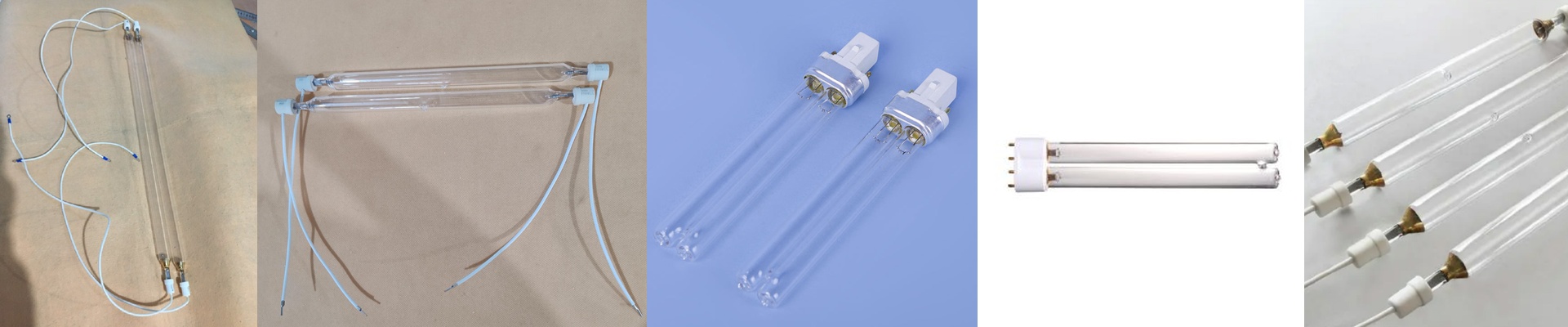
Why We Switched to Gallium Iodide for PCB Lines
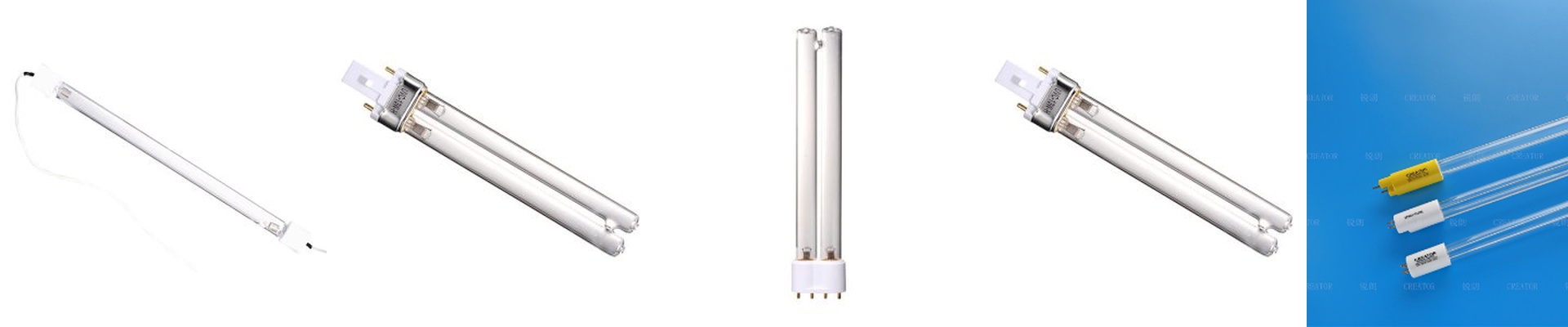
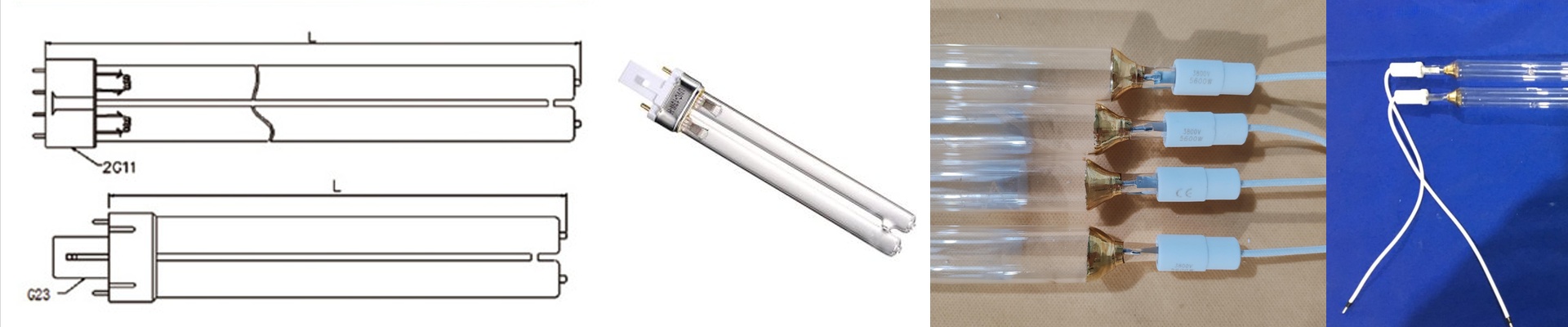
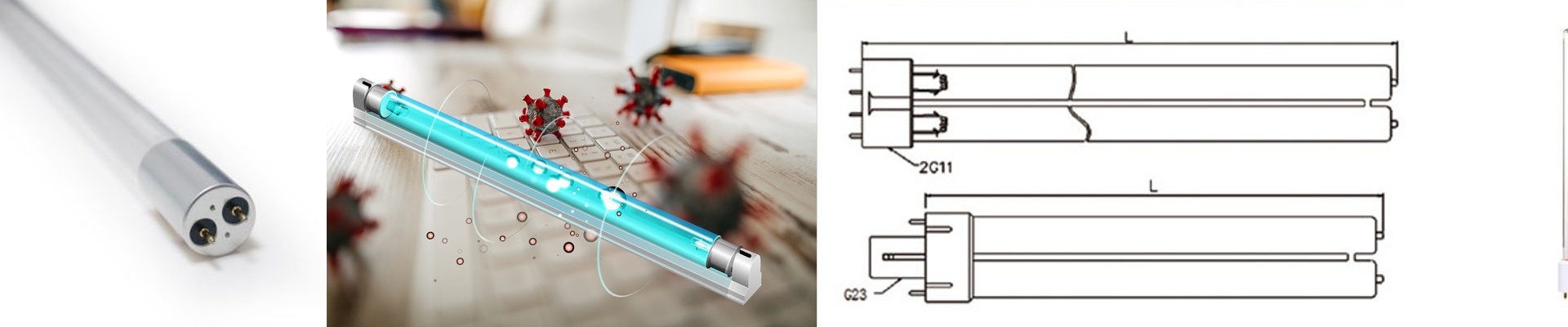
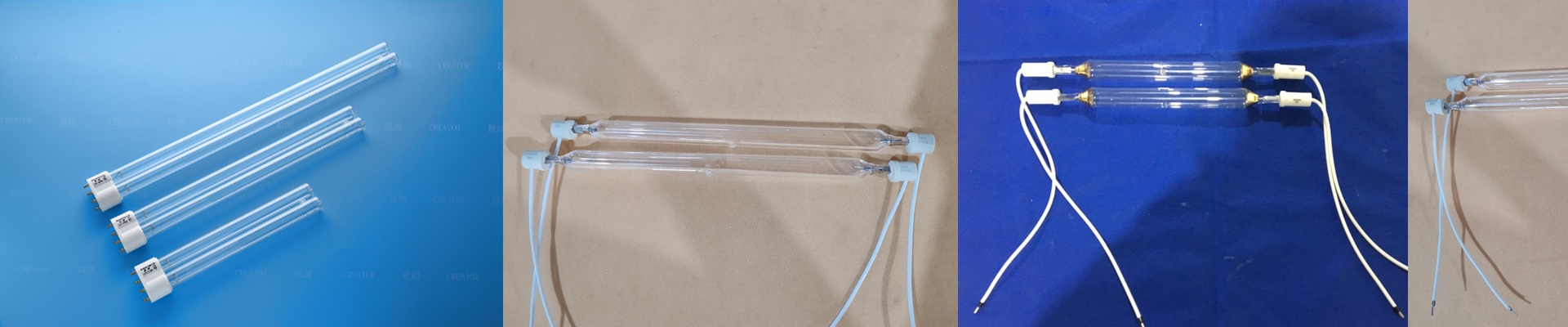
We spent a lot of time hanging out on the floors of about 3,000 printing and PCB shops. We wanted to know why standard UV setups keep failing the moment they hit a modern high-density interconnect (HDI) line. It turns out, the secret is all in the light. Specifically, the spectral output of Gallium Iodide (GaI) lamps. The problem with the old way Most shops are still leaning on mercury lamps. They work, until they don’t. The real headache happens with thick photoresists—the UV just doesn’t bite deep enough. GaI lamps change that. We shifted the focus to the 300nm to 400nm range. Instead of just “skinning” the surface, the energy actually digs deep into the resist layer. It cures everything from the top down, uniformly. No more worrying about under-cured spots that cause your boards to peel during etching. That’s a nightmare nobody wants on their shift. Dealing with the heat Here’s the catch: to get the speed these lines need, you have to pump in a lot of power. That creates a massive amount of heat. If you try to run these without a dedicated chilled-air system, you’re asking for trouble. Either the lamp burns out way too soon, or you’ll actually warp the PCB substrate. To keep things stable, we use high-purity quartz glass so the discharge doesn’t eat away at the envelope. Making it work on the floor These aren’t the kind of bulbs you just screw in and forget. You’ve got to wire them into a stabilized power supply. If the power flickers, you get striping on your boards. Period. We also made sure the footprint is easy to handle. When a lamp starts to fade—which you’ll notice when the UV intensity dips—a tech can just swap it out. No need to spend an hour recalibrating the conveyor height. It just fits. Now, let’s be honest about the price. GaI lamps cost more than your standard mercury tubes. You’re paying for that precision. If your resist is thin and you aren’t chasing tight tolerances, these are probably overkill. But if you’re running fine-pitch circuitry? This is how you stop throwing expensive scrap in the bin.