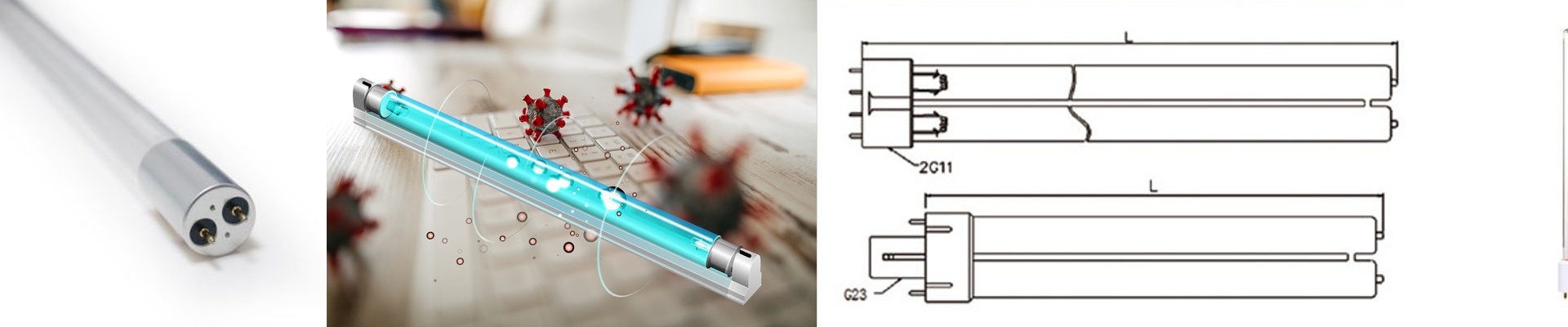
Getting UV Sterilization Right
We aren’t interested in “general” UV output. That’s a waste of time. Instead, we spend our days obsessing over one tiny window of the spectrum: 253.7nm. Why? Because that’s where DNA and RNA actually break. If your wavelength drifts by even a few nanometers, you’re just paying for electricity and hoping for the best. It doesn’t work.
The Secret is in the Glass
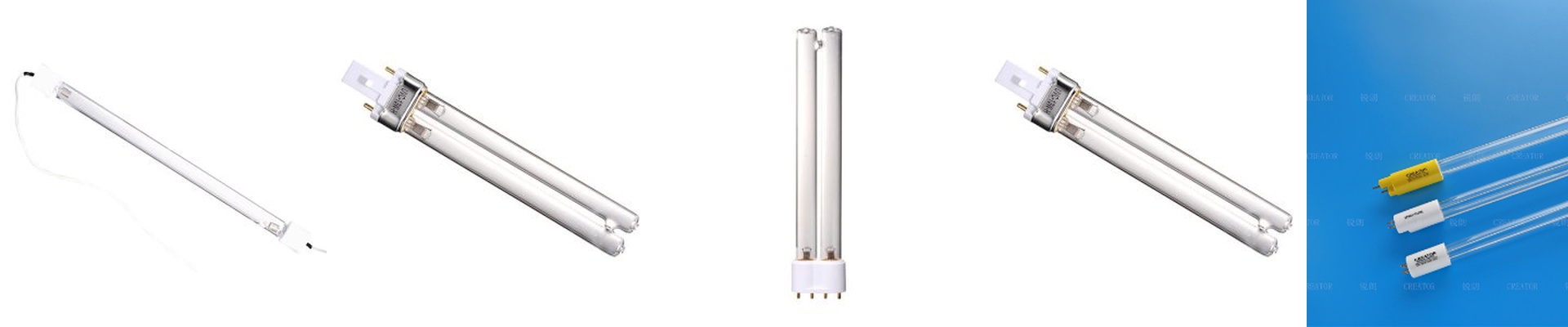
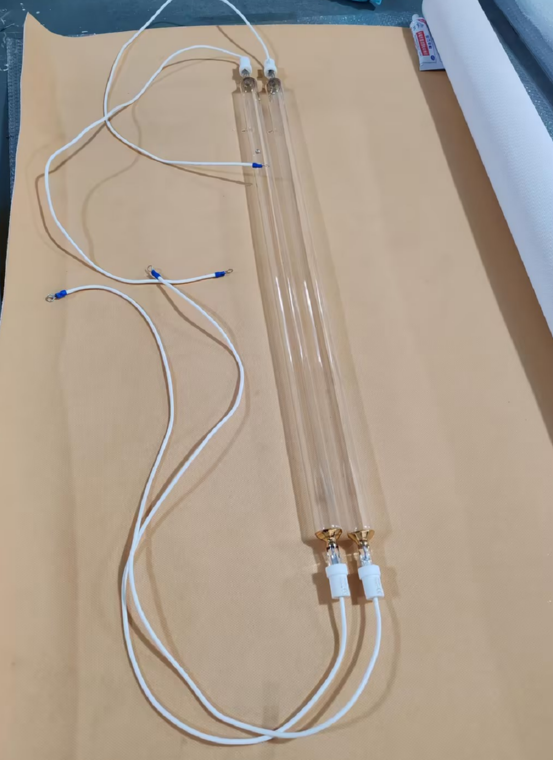
To hit that mark, we get picky. We control the gas mix and the electrode materials to lock that wavelength in place. Then there’s the glass. Most glass blocks UVC entirely. We use high-purity synthetic quartz because it lets the photons fly straight through without getting stopped. The result? You can run a lower wattage lamp and still kill just as many germs as some oversized, low-quality bulb. It’s just cleaner.
Heat is the Enemy
Efficiency isn’t just about the bulb, though. It’s about how you power it. We use ballasts that cut out the “noise” (harmonic distortion). This keeps the lamps from flickering or dying way before they should. But here is the real challenge: temperature. If the lamp gets too hot, the mercury vapor pressure shifts and your output tanks. You’ll need a solid cooling setup—think forced air or a good heat sink—to keep things within a 10°C window. If it stays cool, it stays powerful.
Making it Work in Your Shop
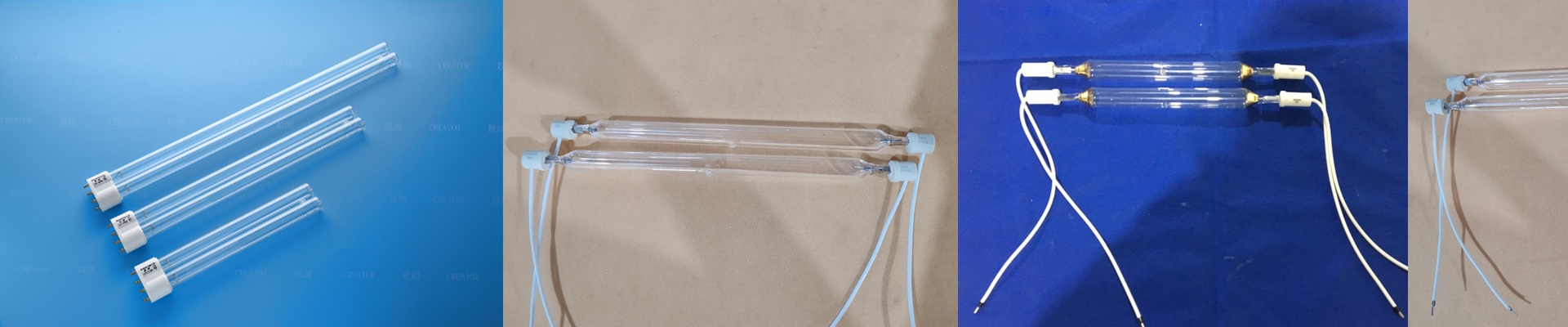
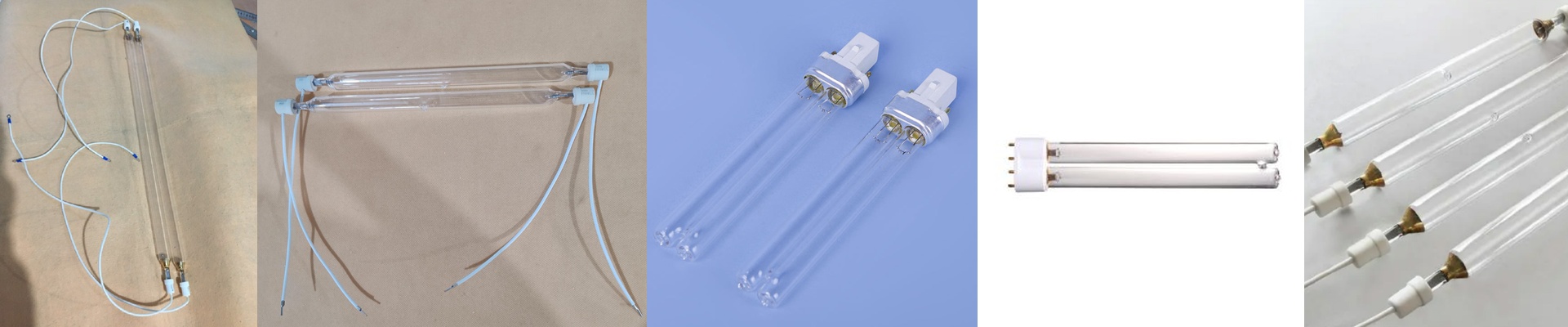
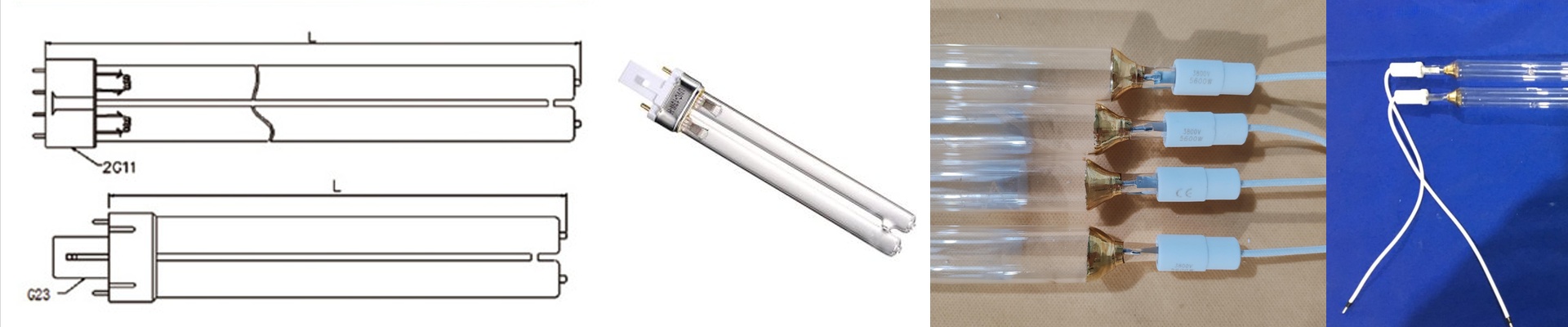
We built these to be drop-in replacements for industrial lines. We kept the footprint tight so the light hits the target surface with everything it’s got. One heads-up: our high-intensity output is great for speeding up your cycle times, but if the wavelength dips below 240nm, you’ll start creating ozone. If you’re running these in a tight, enclosed space, make sure your ventilation can handle that. We’ll give you the raw spectral data. That way, you can figure out the exact dosage you need based on how fast your conveyor is moving. Simple as that.