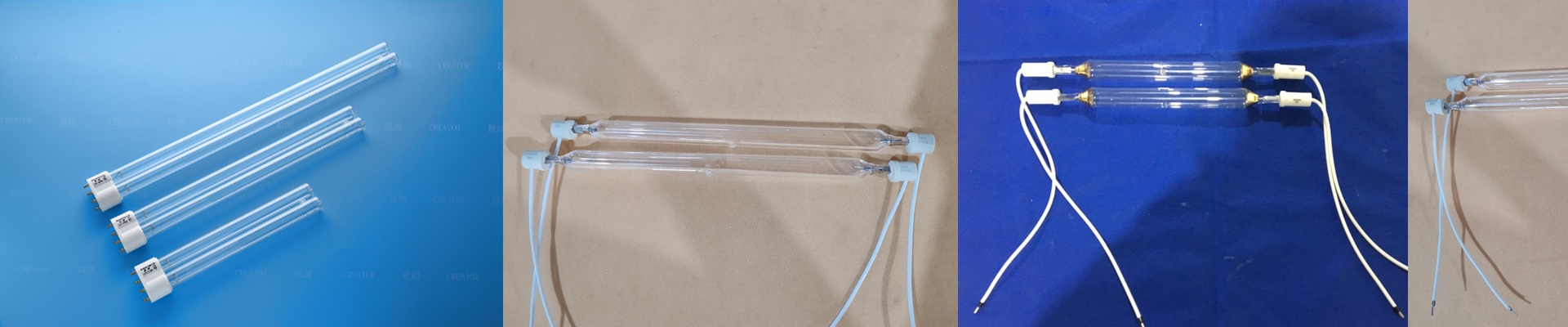
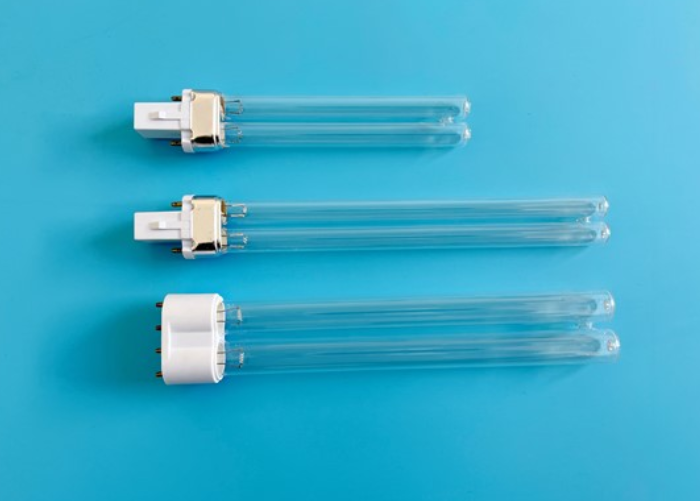
Getting More Punch Out of Your UV Bulbs
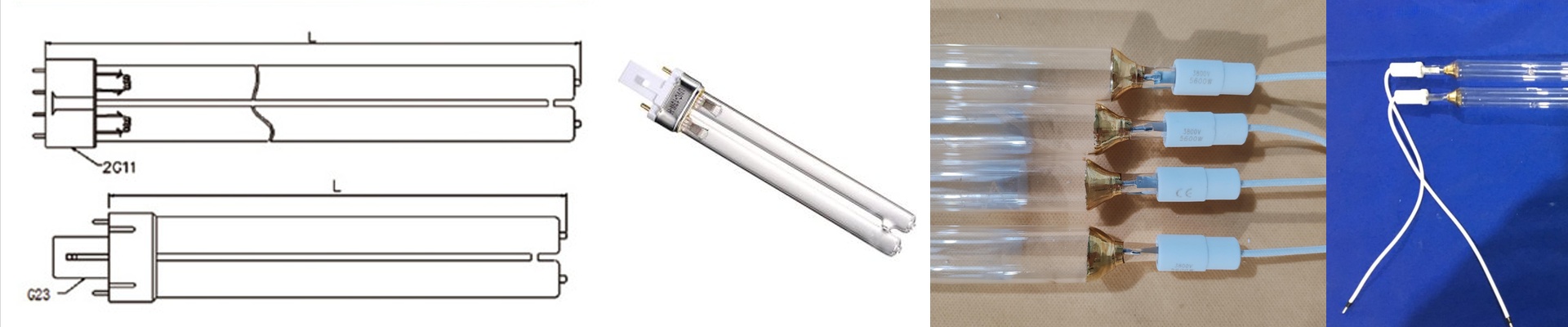
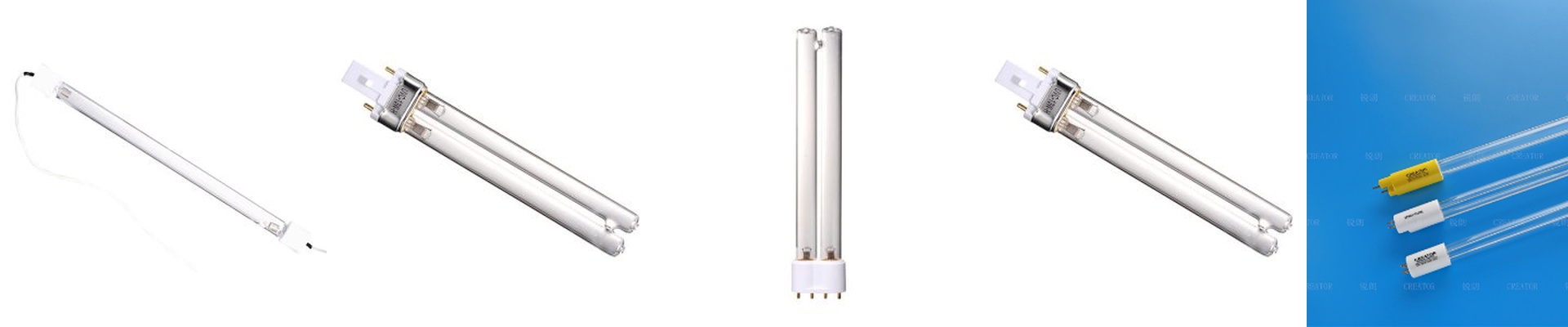
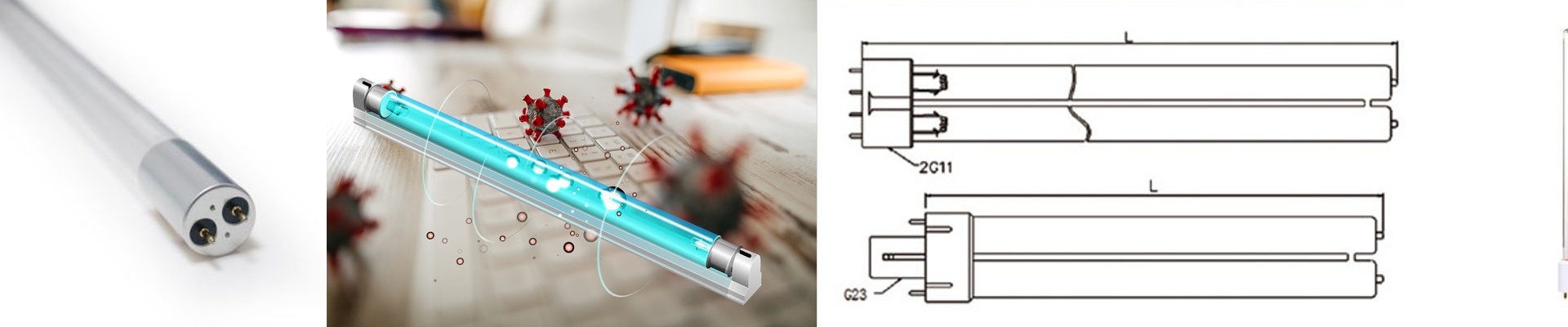
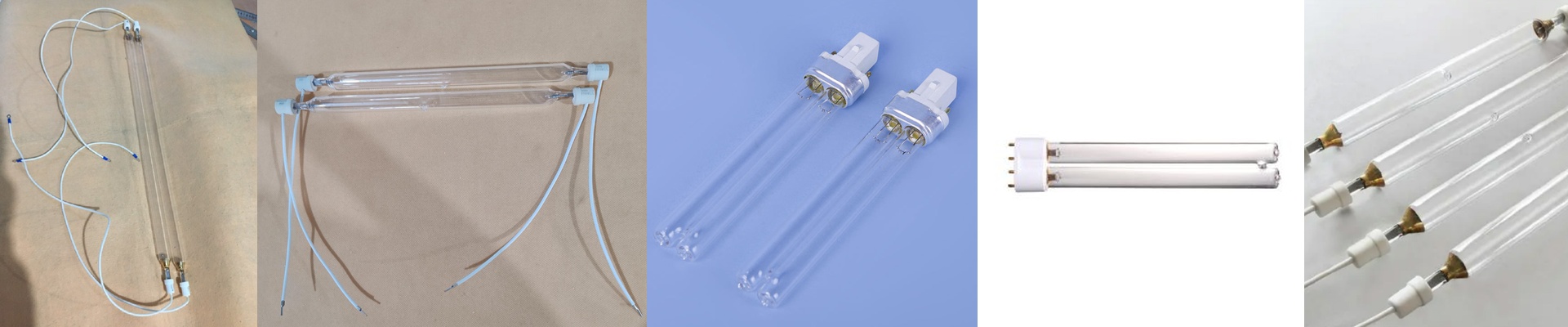
When people talk about germicidal UV bulbs, they usually just obsess over wattage. But if you’re running an industrial setup, wattage is only half the story. The real magic happens at the wavelength level. We spent a ton of time in R&D trying to tighten the spectral energy concentration by just 0.5%. It sounds like a tiny tweak. But in the real world, it means way more photons are hitting that 254nm sweet spot—the exact place where DNA and RNA actually break down. How we actually did it To get that kind of precision, we had to go back to the basics: the gas mix and the shape of the electrodes. Most off-the-shelf lamps are “leaky.” They bleed energy into wavelengths that don’t do anything, which just wastes power and creates unnecessary heat. We messed around with the mercury vapor pressure and used higher-purity quartz to snap that curve tight. The result? You get more “kill power” for every watt you pay for. The heat struggle Here’s the catch: when you concentrate energy like this, things get hot. Fast. The glass envelope takes a real beating. To stop the bulbs from absorbing too much energy and cracking under the pressure, we switched to high-transmittance fused quartz. It handles the stress much better. One quick tip: watch your ballast settings. It’s tempting to over-drive these bulbs to get even more intensity, but don’t do it. You’ll fry the cathode and shift the spectrum, which ruins the whole point. Just stick to a strict voltage match, and the bulbs will stay stable for their entire lifespan. Putting them to work These are built for the heavy lifting—think massive HVAC ducts or water treatment plants. Because the output is so focused, you can actually space your lamps further apart. You don’t have to worry as much about those annoying “dark zones” where germs might slip through. They’re a simple drop-in replacement for your standard UV-C tubes, but they pack a much heavier punch. Just a heads-up: double-check your shielding. Since the intensity is higher, you want to make sure your materials can handle it so you don’t end up with ozone buildup or brittle plastics.