Getting the Peak Right: The Truth About Narrow-Band UV
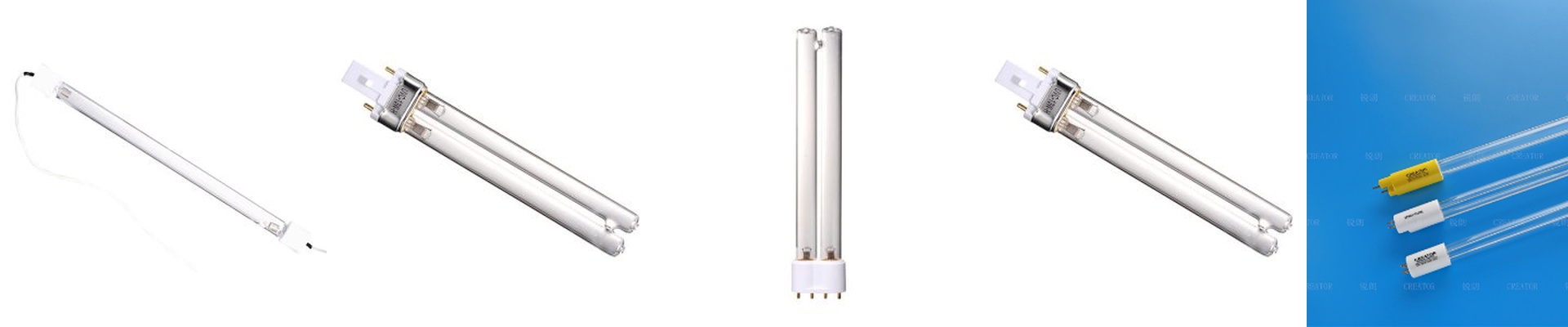
We aren’t just putting together lamps. We’re basically managing energy on a microscopic level. Lately, the conversation has shifted. It’s no longer about how much raw power you can cram into a bulb. Now, it’s all about spectral purity. When we talk about chasing a specific wavelength, we’re talking about the difference between a floodlight and a laser. You want that 254nm or 185nm peak to hit exactly where it should, without drifting.
The trick to controlling the wavelength
To get a tight, clean peak, you have to be obsessive about two things: the gas mix and the glass. We use high-grade synthetic silica for the envelopes. Why? Because cheap glass acts like a sponge—it soaks up the UV energy before it even has a chance to leave the tube. If there are too many impurities in the quartz, your output just tanks. By using the good stuff, we make sure those photons actually hit your target instead of getting trapped and turning into useless heat inside the lamp.
The trade-off (and the headache)
Here’s the catch: high-intensity UV creates a lot of heat. When you push for a tighter wavelength, you put a massive amount of stress on the electrodes. If you run these at full tilt without a solid cooling jacket or some serious airflow, you’re going to fry your filaments. I’ve seen it happen plenty of times. Poor airflow leads to “solarization”—that’s when the glass actually starts to darken. Once that happens, your output dies long before the lamp is actually “worn out.” It’s a waste of money.
Making it actually work in your shop
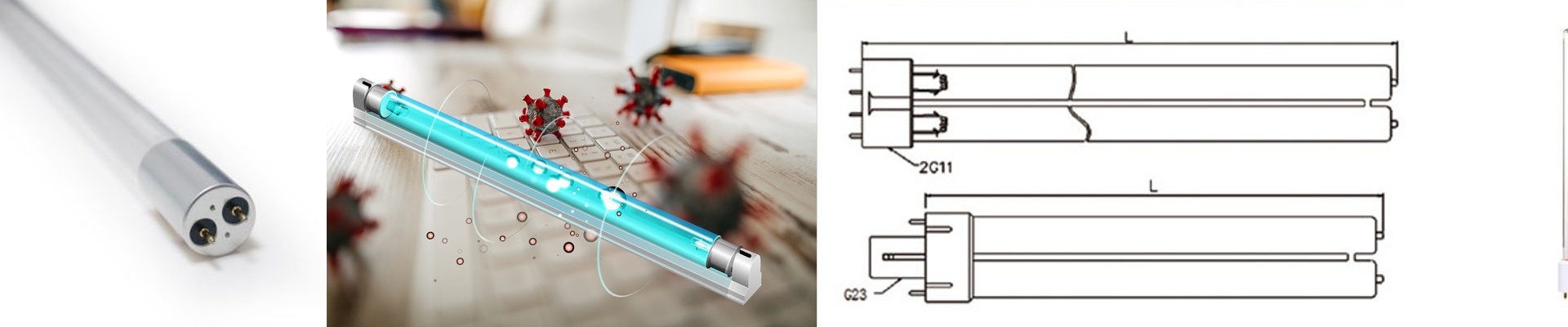
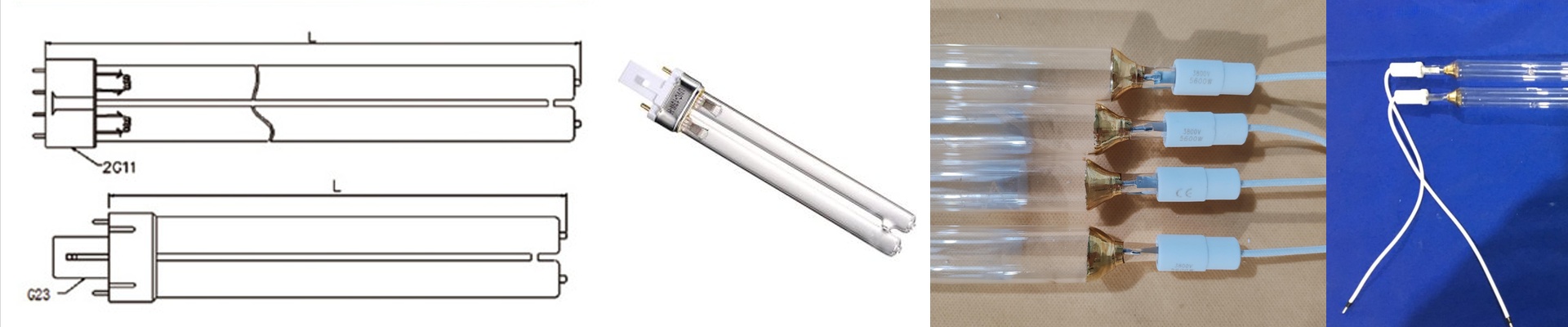
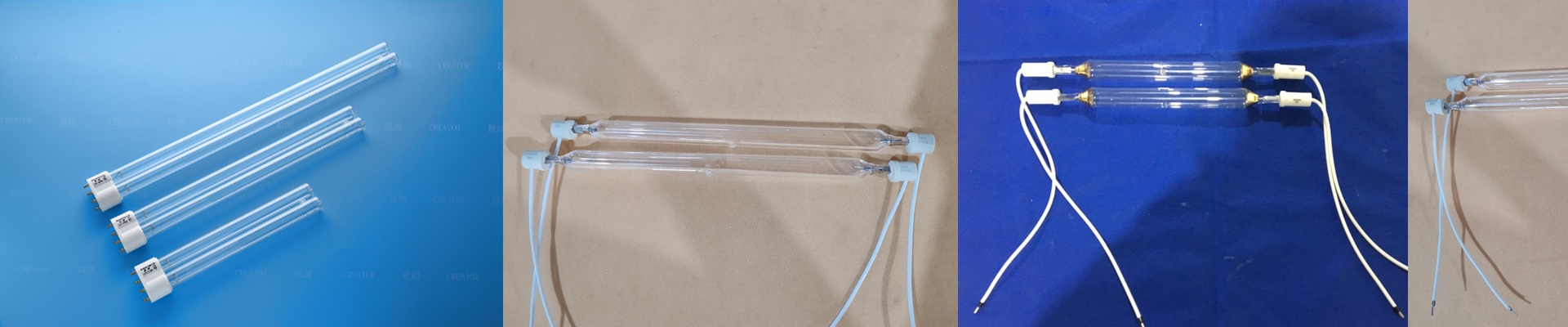
Whether you’re running a photolithography line or a massive sterilization plant, the lamp needs to fit your reactor’s optics. We make ours as drop-in replacements. No one wants to spend a weekend re-tooling an entire assembly just to swap a bulb. One last thing: watch your power. You need a stabilized power supply. A single voltage spike can kill a precision UV tube in a heartbeat. Keep your power clean, keep your cooling constant, and your spectral output will stay locked in. Simple as that.