Getting Your UV and IR Lamp Production Right (Without Breaking the Bank)
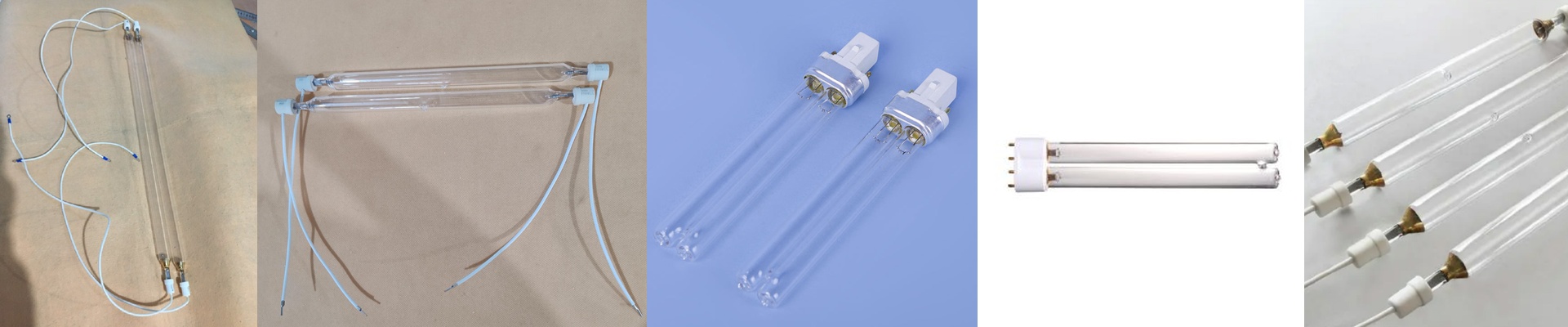
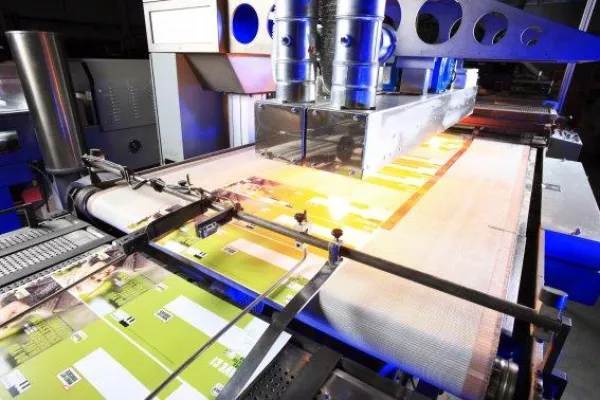
Usually, when you need UV or IR lamps in bulk, you’re stuck with a crappy choice. You either buy the cheap stuff that burns out in a few weeks, or you pay a premium for “high-spec” tubes that absolutely kill your budget. We decided to stop that cycle. We handle everything ourselves—from the raw quartz synthesis to the final seal on the electrode. No middlemen, no mystery. The deal with the glass Here’s the thing about quartz: if it’s low-grade, it “solarizes.” That’s a fancy way of saying the glass turns brown or cloudy under intense radiation. Once that happens, your UV output tanks. You end up throwing away a perfectly good filament just because the glass stopped letting light through. We use high-purity fused silica. It stays clear. It keeps the curing speeds consistent on your line, and it actually lasts as long as it’s supposed to. Picking the right specs Voltage and wattage aren’t just numbers on a datasheet. They’re about heat. If you cram a high-wattage tube into a tiny chassis, you’ve got a heat soak problem on your hands. We build our lamps to fit the actual job—whether that’s a quick drop-in for a curing oven or a custom length for a PET blowing machine. Plus, we do the common connectors like R7s and Sk15. You can just plug them in. No need to spend your weekend rewiring the entire rack. The tug-of-war: Power vs. Life There is a trade-off here. If you push a lamp to deliver massive irradiance, the tungsten filament is going to feel the strain. To fight this, we balance the gas fill (usually a mix of halogen or argon) so the filament doesn’t evaporate too fast. But be honest with your goals: if you run these at 110% power to speed up your line, you’re probably going to lose about 20% of the lamp’s total life. It’s a fair trade, but one you should know about. Because we own the factory, you get the pricing that comes with it. You get the precision and the vacuum seals you need for high-voltage stability, but without the markup.