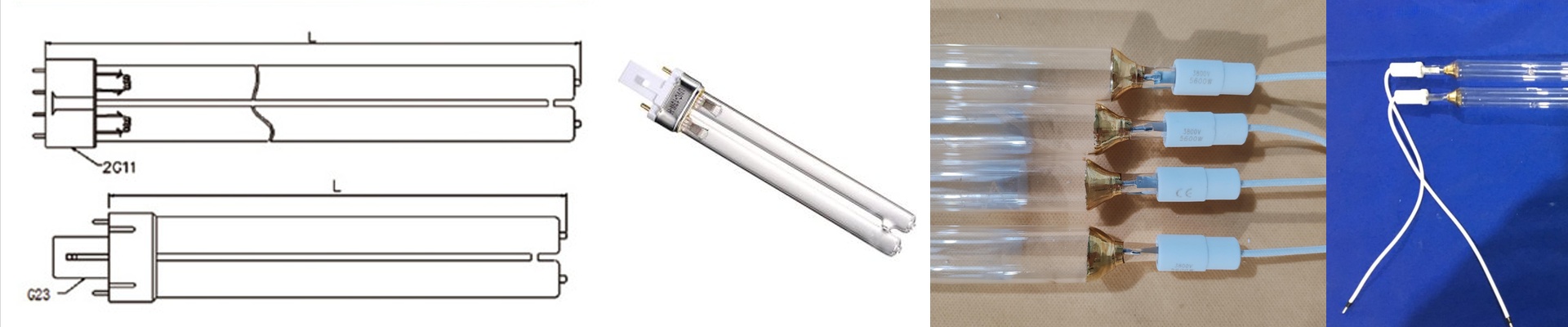
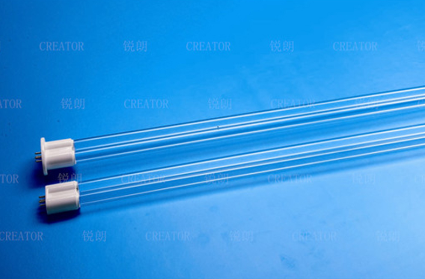
Getting Your UV Curing Right: The Truth About Mercury Lamps
Mercury vapor lamps are the heavy lifters of the UV world. But here is the thing: there is a massive difference between a tube that dies in 500 hours and one that actually lasts for 2,000. It usually comes down to two things—what’s inside the tube and the quality of the glass. We spend a lot of time obsessing over narrow-band wavelength control. Why? Because if the UV light doesn’t perfectly match the photoinitiator in your ink or coating, you’re just wasting electricity. The Light Problem We don’t just toss mercury into a tube and hope for the best. We carefully tune the gas mix to hit those sweet spots—usually 254nm or 365nm. When that wavelength drifts, you’ll feel it immediately. Your cure rate tanks and you end up with that annoying “tacky” surface that just won’t dry. To stop that, we use high-purity synthetic quartz. Cheaper glass suffers from “solarization.” That’s basically when the glass turns opaque over time, blocking the UV rays before they even touch your product. By keeping the impurities out of the quartz, we keep the light flowing. Saving Your Electrodes The real killer of these tubes is electrode erosion. It’s a slow burn. To fight this, we use thoriated tungsten filaments. This slows down the cathode evaporation and keeps the arc stable. You’ll notice our long-life tubes keep a consistent footprint in your oven, but you have to do your part. Check your ballast. Make sure the starting voltage is dialed in. If you try to “over-volt” the lamp to get a faster cure, you’re basically cooking your electrodes. You’ll get your speed, sure, but you’ll cut your lamp life in half. Not a fair trade. Dealing with the Heat Here is the catch: high-intensity UV creates a ton of infrared heat. While our tubes are great at pumping out UV photons, they get hot. Really hot. You can’t just run these at full tilt and hope for the best. You need a cooling system that can actually handle the load. If your exhaust fans aren’t pulling that heat away fast enough, the quartz envelope will stress out and eventually crack. We build these things to be stable, but they only live their full life if you keep them cool.