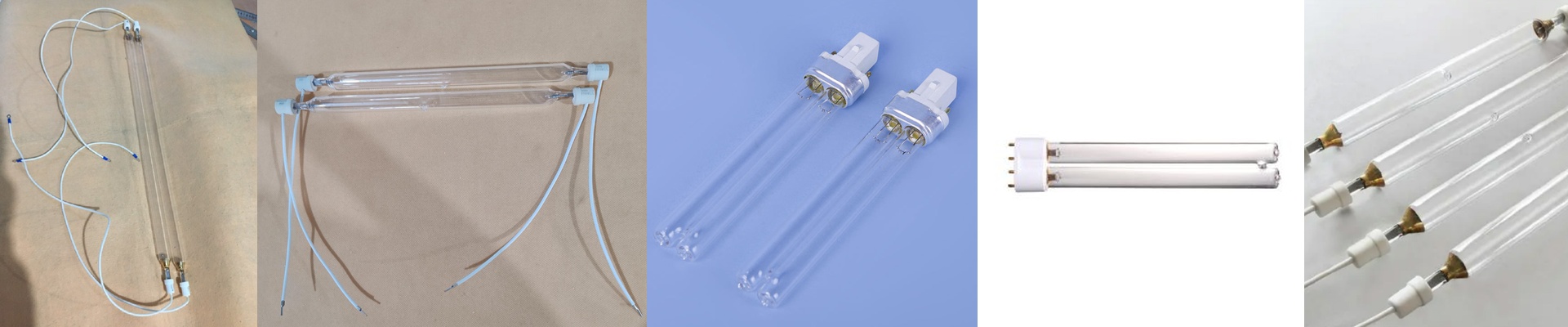
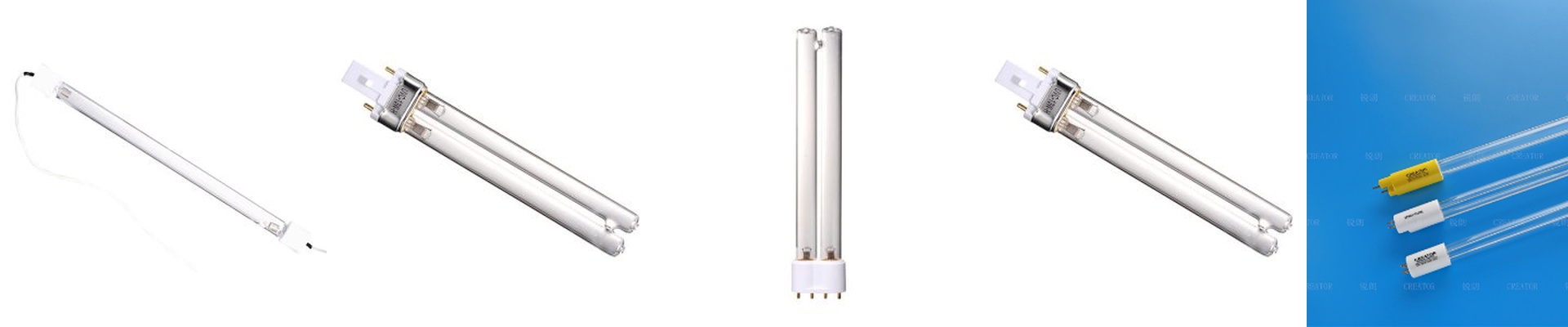
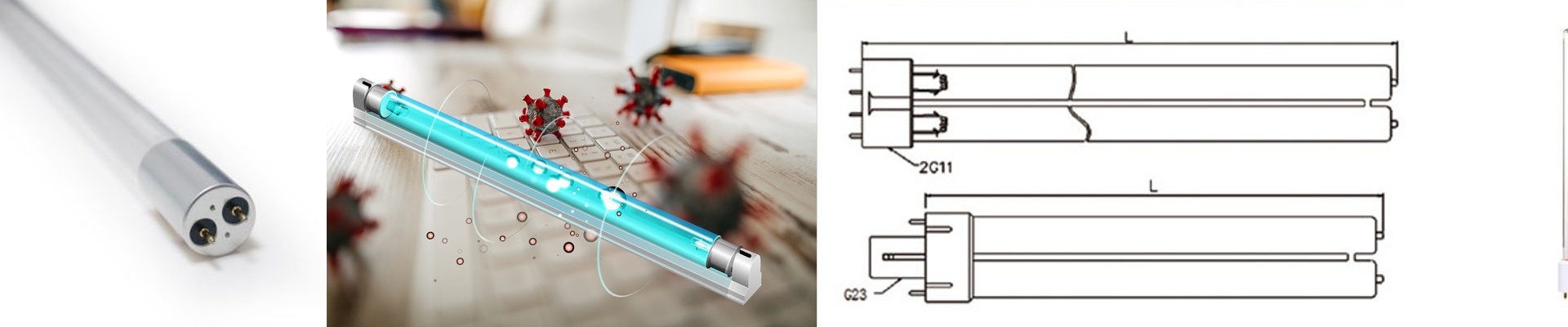
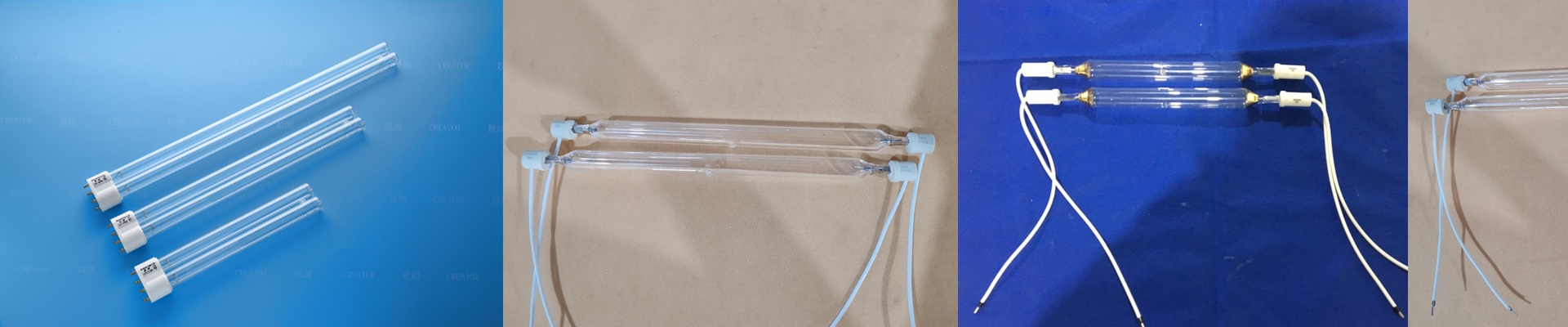
Let’s Talk About Mercury UV Bulbs
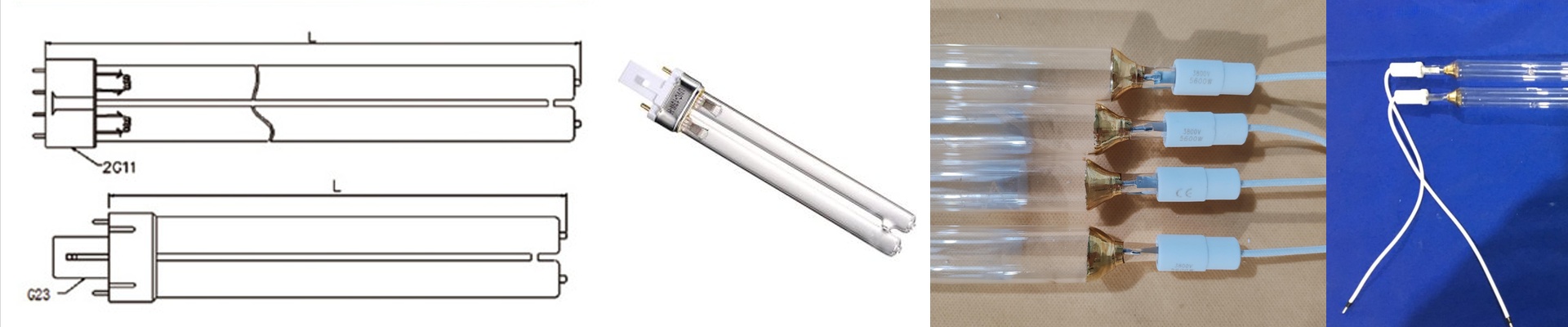
If you’re working with UV-curable inks and coatings, you know the drill. You need that specific hit of short-wave radiation to make everything snap from a liquid to a solid in a heartbeat. That’s where our mercury bulbs come in. We basically take electrical energy and turn it into high-intensity UV light, forcing those monomers to lock together and harden almost instantly. Getting the power right Here is the thing: the performance of the bulb comes down to the pressure inside the quartz and the current density. We’ve tuned these lamps to hit a broad spectrum—specifically peaking at 254nm and 365nm. Why does that matter? Because it means you can dry the surface coatings and the deeper pigment layers at the same time. But you have to be careful with your ballast. If you under-power the bulb, you’ll end up with a tacky, sticky surface that just won’t cure. On the flip side, if you push it too hard, you’ll fry the electrodes and kill the bulb way too soon.Balance is everything. Dealing with the heat We use high-purity fused quartz for the envelope. It’s tough enough to handle extreme thermal shock and lets the UV rays fly through without the glass soaking them up. But fair warning: these things gethot. Since the bulb doesn’t turn 100% of that energy into light, a lot of it turns into infrared heat. If your cooling fans or water jackets aren’t up to the task, the quartz is going to stress out and eventually crack. Keep them cool, and they’ll keep working. Keeping things running These are designed to be simple drop-in replacements for your standard arrays. Just one tip when you’re wiring them up: make sure your contacts are spotless. Any little bit of oxidation on the pins can cause arcing, and that’s a fast track to a dead bulb. Over time, you’ll notice the UV intensity start to dip as the mercury vapor wears down. It happens slowly, but it happens. My advice? Keep a close eye on your hour-meter. Once the output drops below what you need, swap the bulb out. It’s much better to spend five minutes changing a lamp than to deal with a massive production bottleneck or a batch of ruined prints.