Don’t Let Patent Law Kill Your 2026 Production Line
When you’re picking out high-pressure mercury lamps for your 2026 lines, the specs on the datasheet are only half the story. The other half? Avoiding a total nightmare at customs. Sourcing from a supplier who actually owns their own patents isn’t about some corporate ego trip. It’s about making sure your shipment doesn’t get seized at the border or land you in a messy infringement lawsuit.
The nitty-gritty of the tech
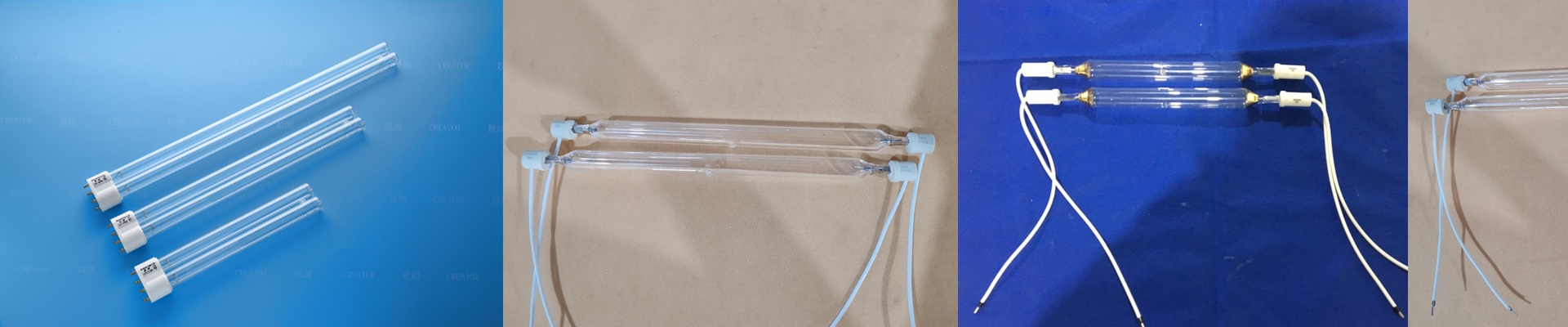
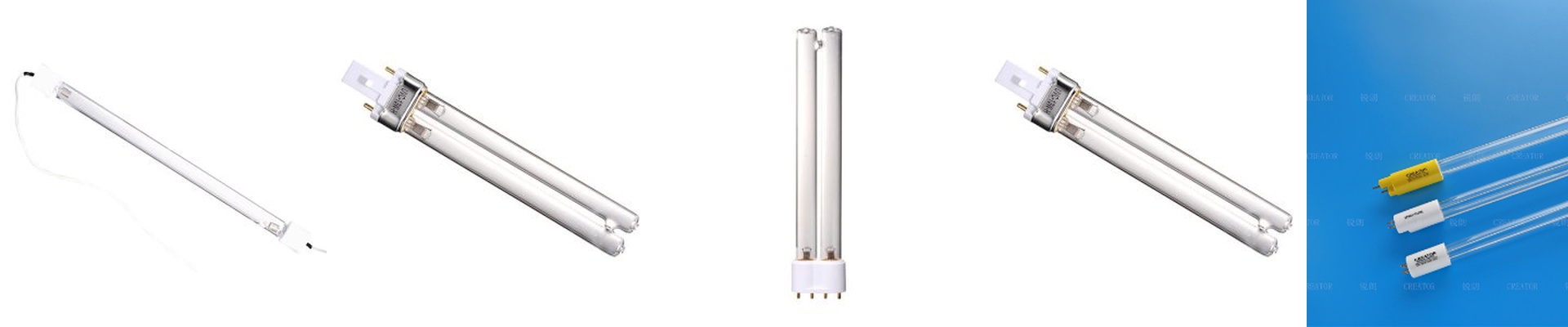
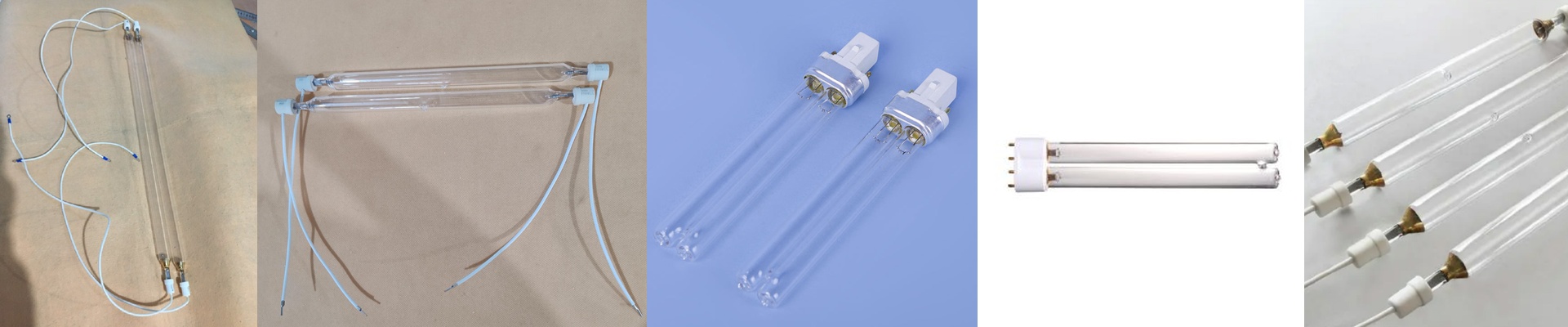
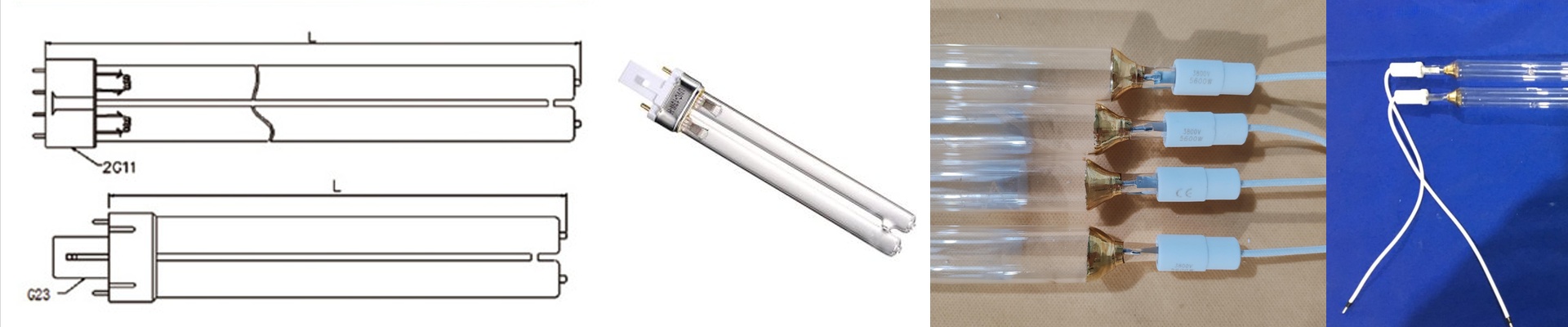
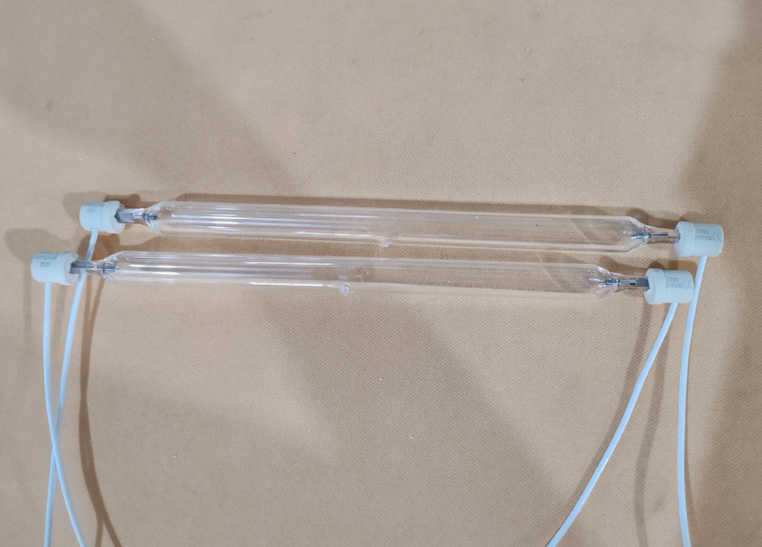
Here is how these things actually work: you’re creating a plasma arc between tungsten electrodes. To get the most UVC output, we spend a lot of time obsessing over the quartz envelope and the gas fill. It’s all about the mercury vapor pressure. If that’s even slightly off, your spectral peak shifts. Suddenly, your curing speed drops or your substrate starts overheating. Not a great look.
Why you should care about proprietary patents
A lot of generic lamps are just copies of someone else’s homework. That’s where the risk creeps in. If a competitor owns a patent on a specific electrode shape or a quartz coating in the country you’re shipping to, your gear can get flagged. Just like that, your production schedule is ruined. We do things differently. We develop our own electrode alloys and ways to stabilize the arc. Because we own the tech, you can ship these globally without looking over your shoulder. You get through customs, and you get to work.
The trade-offs you need to know
These lamps pack a serious punch in terms of UV intensity, but they run hot. Really hot. You can’t just slide these into an old system and hope for the best. You’ve got to check your cooling. High wattage means the lamp housing is going to feel the heat. If your airflow isn’t ready for these high-output 2026 models, you’ll fry your electrodes way too soon. The good news? We built these to fit right into most industrial curing racks. As long as your ballast can handle the strike voltage, you’re golden.