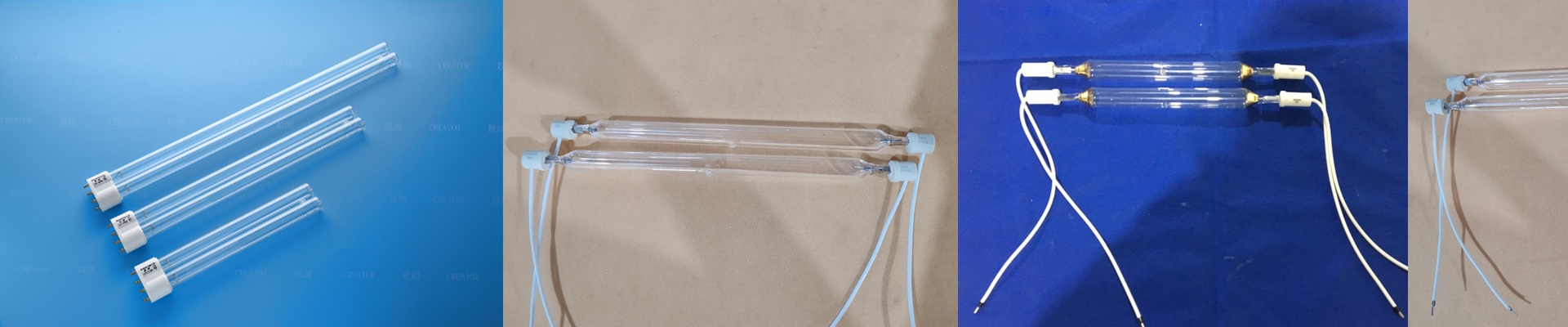
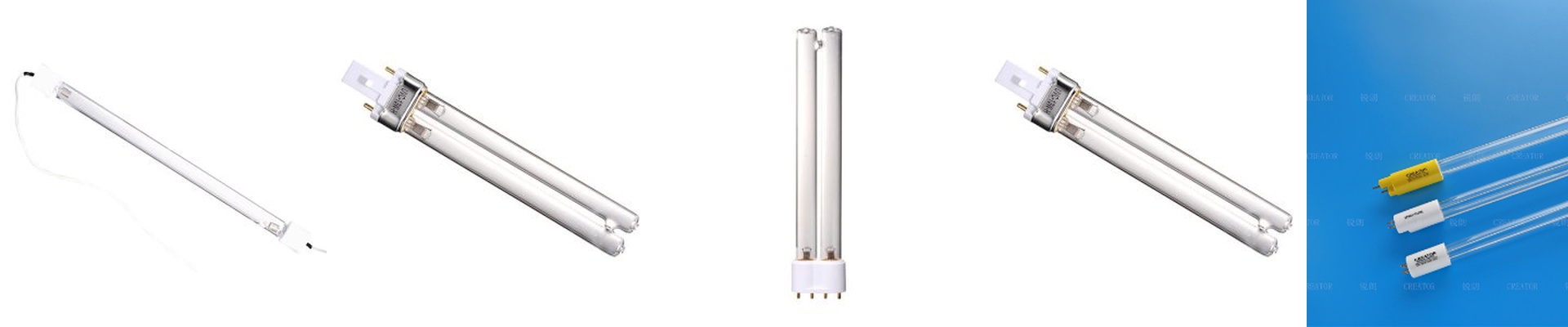
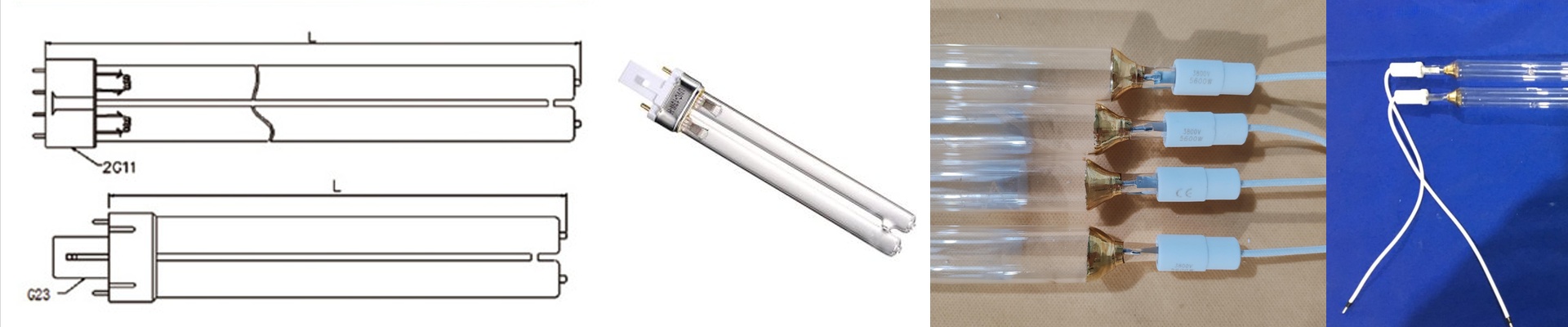
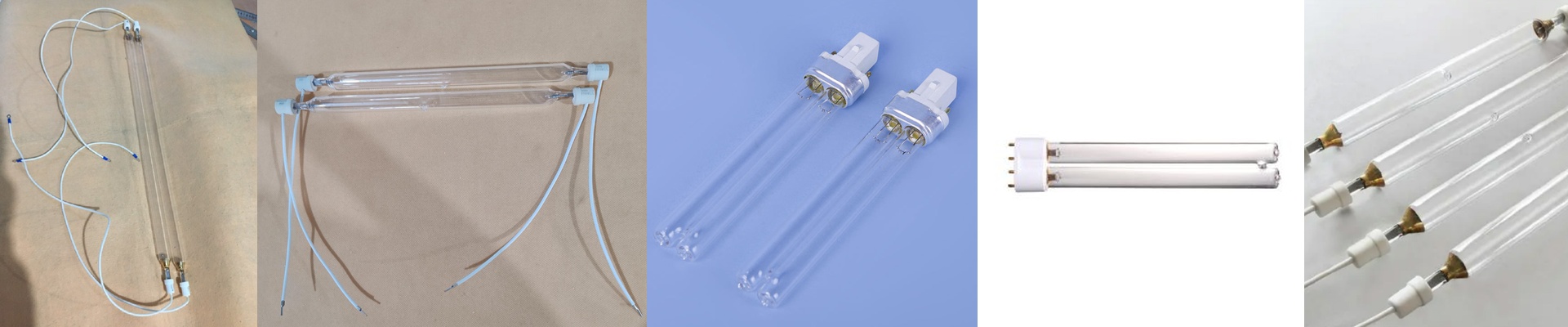
Let’s talk about the 120W/cm Mercury UV Lamp
When we set our standard mercury lamps to 120W/cm, we aren’t just picking a random number to put on a spec sheet. It’s about speed. Specifically, how fast your ink or coating actually dries while your product is zooming under the lamp. For most of you running industrial lines, this is the “sweet spot.” You get that rapid cure you need without accidentally frying your substrate.
The heat factor
Here is the thing: packing that much energy into such a small space creates a lot of heat. A lot. High wattage means you can crank up your line speed and get more done. But there’s a catch. If your cooling fans or water-jackets aren’t up to the task, you’re going to run into trouble. You’ll see your lamp life tank or, worse, the quartz tube will actually warp. **Pro tip:**Give your reflector alignment a quick check every 500 hours. It keeps the UV light hitting exactly where it should.
How it actually works
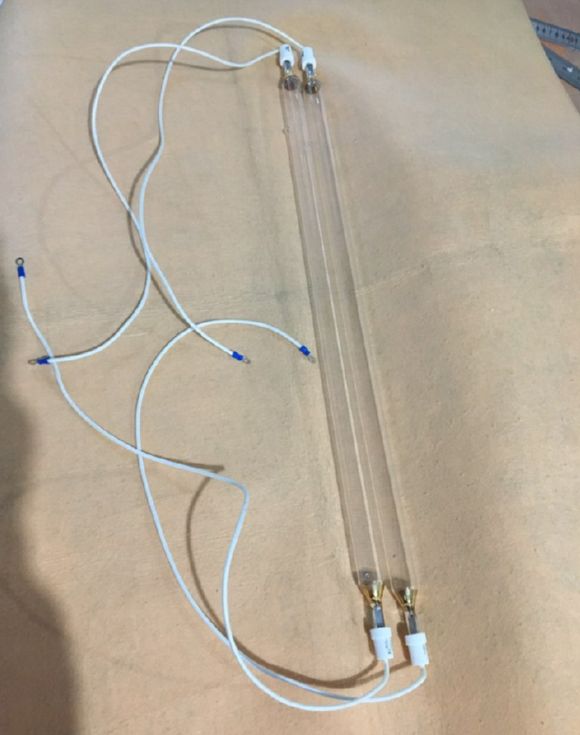
Inside, we use a mercury-vapor discharge to create the UV spectrum. It’s what does the heavy lifting to break those chemical bonds in your resins. We use a specific quartz envelope because it lets the UV light pass through without getting blocked. We also obsess over the seal between the electrodes and the quartz. If even a tiny bit of oxygen leaks in, the lamp burns out way too soon. We make sure that doesn’t happen.
Getting it running
These are designed to be simple drop-in replacements. They just work with most standard curing systems. We’ve put our lamps side-by-side with the big, expensive global brands. If you find that our performance doesn’t match theirs, we’ll give you your money back. Period. We don’t care about fancy marketing talk. We care about the actual energy—the mW/cm²—hitting your product. Just wire it up, set your conveyor speed, and check the shore hardness of the cure. The results speak for themselves.