Stop Thinking of UV Lamps as Just “Dryers”
For a long time, people looked at UV lamps and thought: okay, this dries ink. But that’s a pretty narrow way to see it. Lately, we’ve started treating light energy more like a precision tool. It’s not just about drying; it’s about chemical bonding and changing how a surface actually behaves. Especially now, with everything moving toward automated, sensor-driven lines, the old way of doing things in batches just doesn’t cut it anymore.
Getting the Power Right
If you’re running a fast automated line, you need a lot of punch. We spend a lot of time obsessing over the spectral output—specifically the UVC and UVB bands. Why? Because if those photons don’t hit the photoinitiators in your resin just right, you’re in trouble. Here is the struggle: if your wattage is too low, you get “skinning.” That’s when the top looks dry, but the bottom is still a gooey mess. But if you crank it too high? You’ll literally burn your substrate. It’s a balancing act. Your belt speed dictates everything. The faster the belt moves, the less time the part spends under the light, which means you need a higher power density to get that cross-linking done.
Built for the Chaos of the Shop Floor
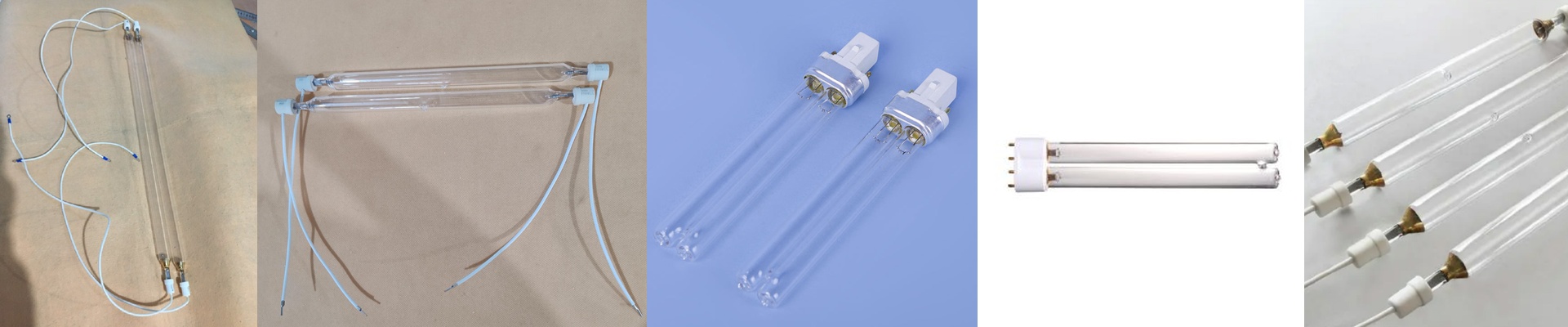
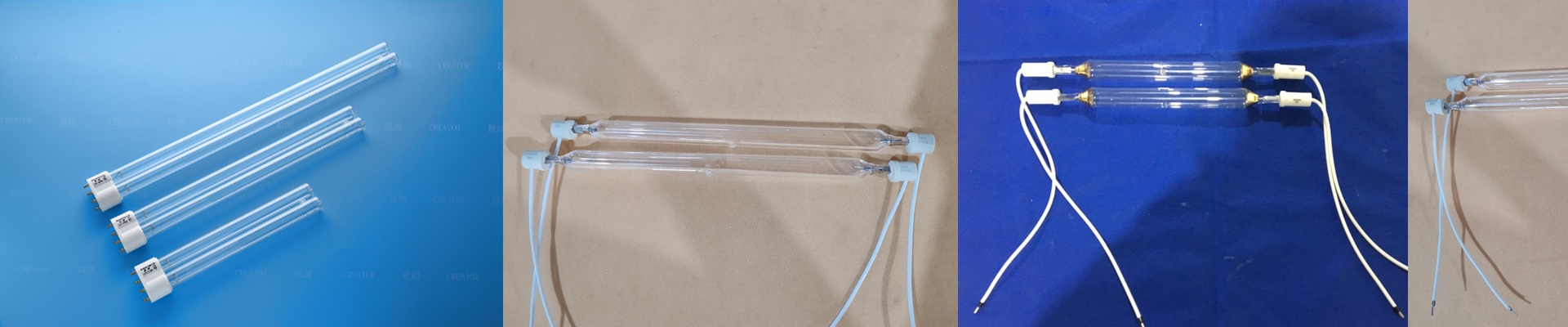
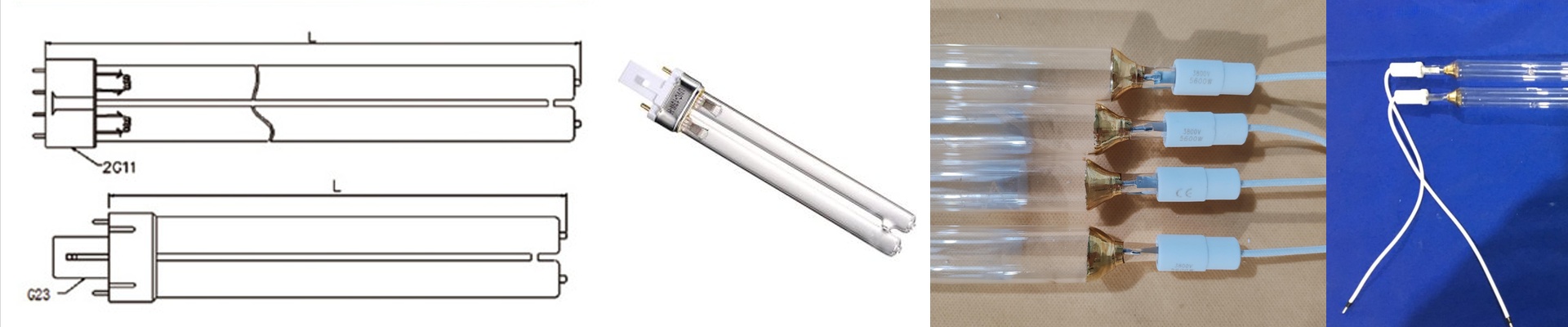
Let’s be honest: factory floors are brutal. Between the constant vibration and the heat cycling, equipment takes a beating. That’s why we use high-purity quartz glass. Cheap glass “solarizes”—it gets cloudy over time, and once that happens, your UV output tanks. We also beef up the end-caps. There’s nothing worse than a lamp cracking because someone was rushing a high-speed installation. But there’s a catch. When you cram more power into a smaller space, things get hot. Fast. If your cooling fans or water jackets aren’t up to the task, your lamp life is going to plummet.
Making it All Work Together
We design these to be “drop-in” replacements. Whether you’ve got a conveyor belt or a robotic arm, the connectors just need to stay put. Loose wiring is a nightmare. It leads to arcing, and arcing kills your ballast. One last tip: keep an eye on your power supply. Make sure it’s stable. Voltage spikes are silent killers—they’ll burn out your electrodes before you even realize what happened.