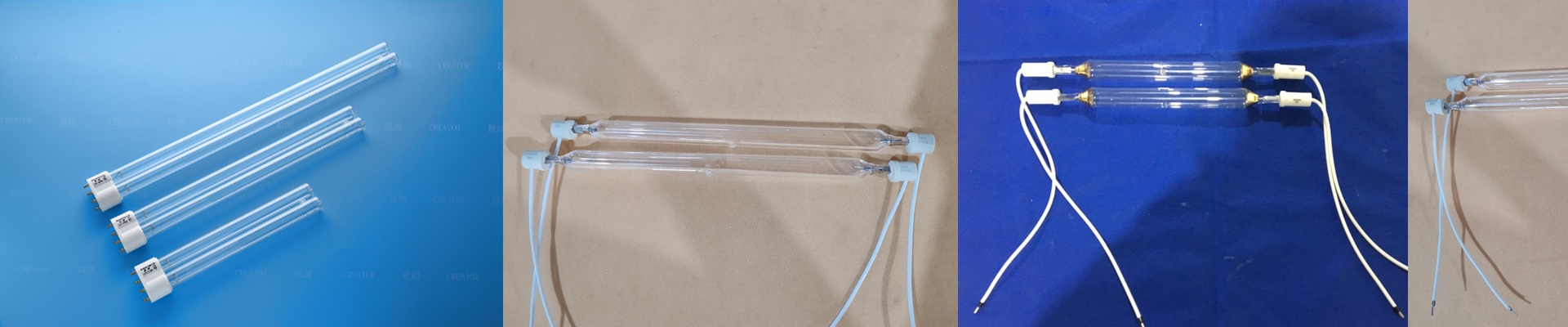
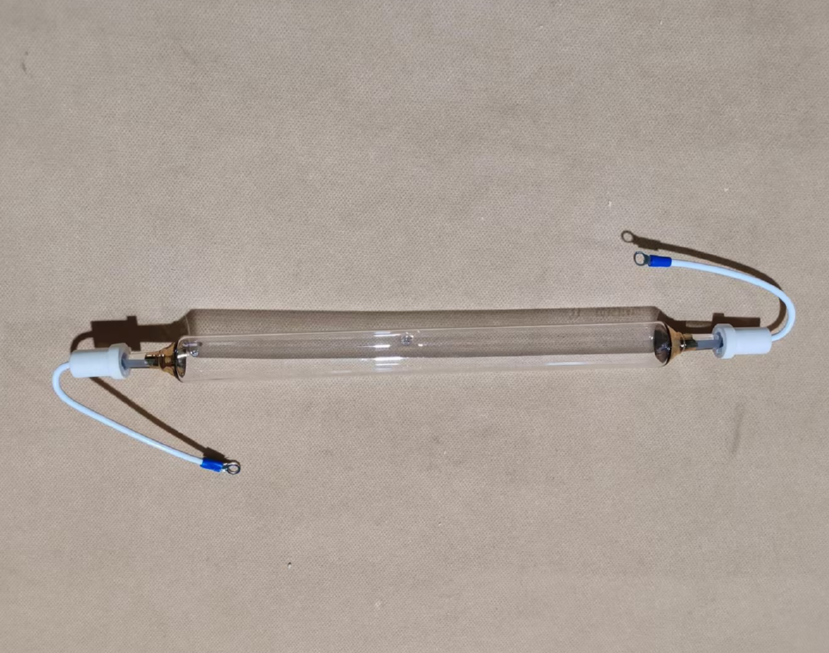
UV lamps used to be pretty basic—mostly just for drying ink or sticking plastics together. But things are changing fast. By 2026, the whole industry is moving away from just “curing” things and heading toward something way more precise. Here’s the thing about those old mercury vapor lamps: they’re blunt instruments. They blast a broad spectrum of light, but you can’t really control them. You can’t just “dim” a mercury lamp on a whim. That’s why everyone is switching to UV-LED arrays. With LEDs, you can pick the exact wavelength you need, right down to the nanometer, to hit specific chemical bonds. It’s a huge relief because you stop over-cooking your materials and you don’t have to worry about your parts warping from too much heat. And it’s not just about the light; it’s about how the gear talks to each other. In a modern setup, your UV source and your PLC are basically in a constant conversation. We’re seeing more systems with real-time feedback loops. If a sensor notices the light is dipping, the system just handles it—it’ll slow down the conveyor or kick up the power automatically. No more guessing on the shop floor. You don’t have to send a technician to manually check lamp life every week. The system just taps you on the shoulder and tells you it’s time for a change before everything goes dark. But, there is a trade-off. High-intensity LEDs pack a ton of punch into a tiny space. The catch? They gethot. I mean, really hot, right at the junction. If your heat sink or liquid cooling isn’t spot on, the LED will start to drift or just burn out early. You’re basically trading a bulky old ballast for a bit of a headache with thermal management. Still, it’s worth it. We’re seeing UV tech move into things like semiconductor lithography and surface activation. It’s less about “drying glue” now and more about having total control over every single photon.