Making Gallium Iodide UV Modules Actually Work for Industrial Printing
At the 2026 Printing Expo, everyone was talking about the same two things: how to cure ink faster and how to make sure it actually sticks. We brought our custom gallium iodide (GaI) UV modules to the table because, let’s be honest, standard mercury lamps just don’t cut it anymore. They often miss the mark on the specific wavelengths that modern, heavy-pigment inks need to set properly.
The secret is in the spectrum
Most lamps rely on mercury, but we do things a bit differently. By using gallium iodide, we shift the light output. We’re aiming for that 300nm to 400nm range. Think of it as the “sweet spot.” It’s exactly what you need when you’re dealing with thick ink layers or those tricky specialty coatings. Because the light is more focused, you aren’t wasting energy on heat that just ends up warping your thin materials.
Built to just… fit
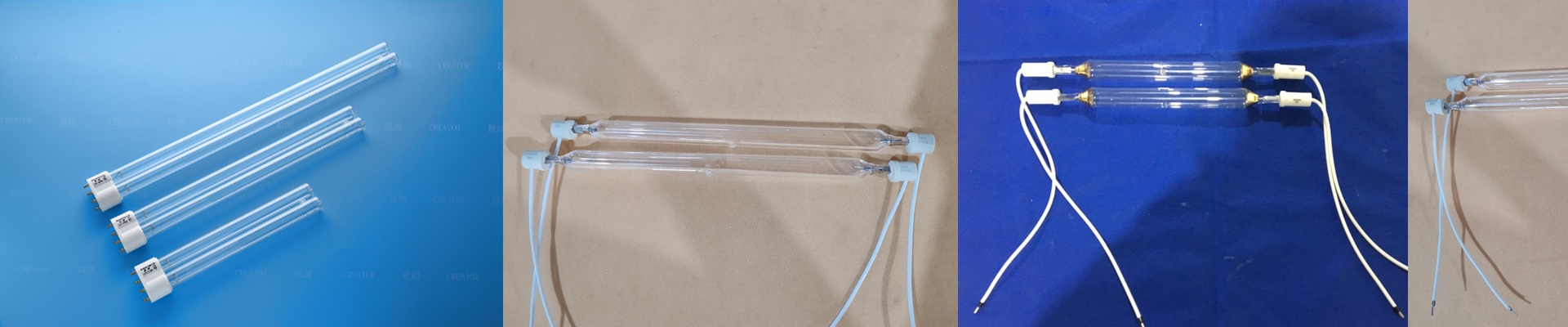
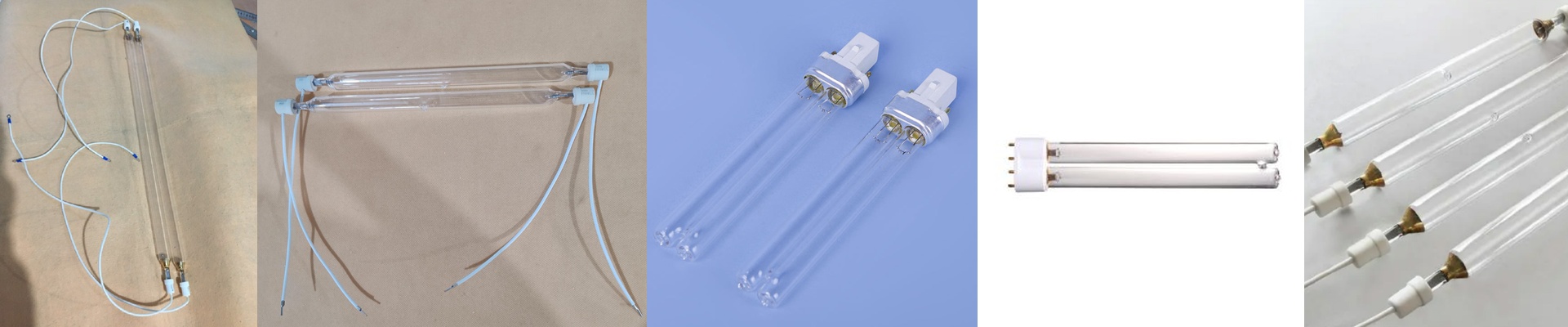
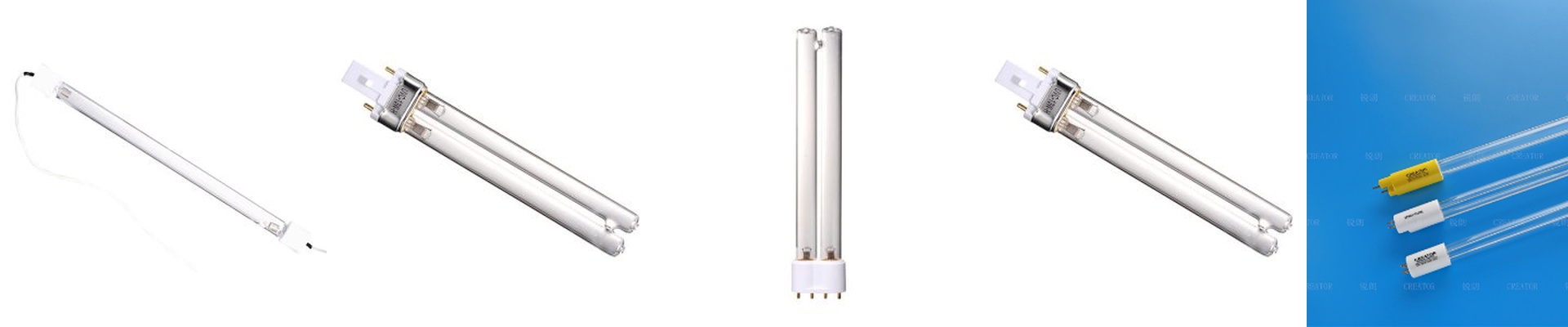
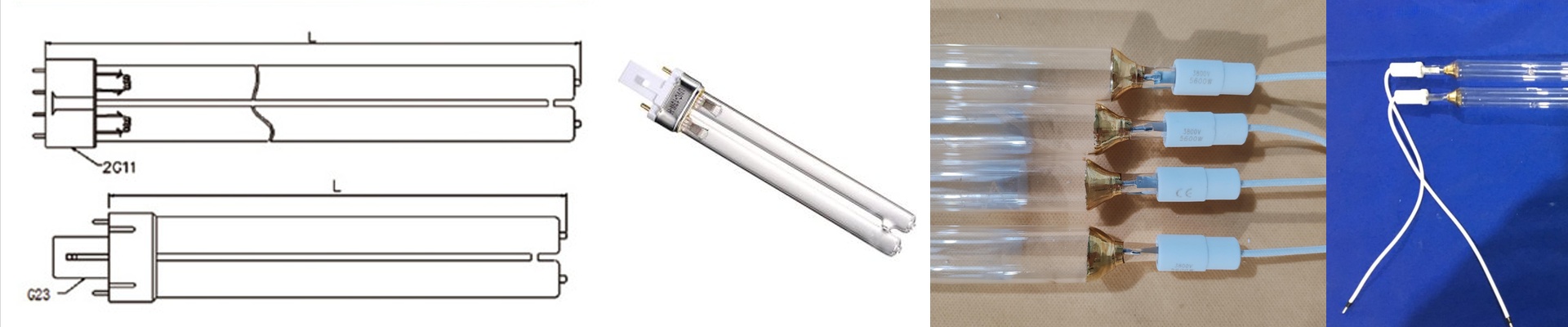
We didn’t want to make something that required you to rebuild your entire factory. These modules are designed as drop-in replacements for the lines you already have. The focus here is raw power per inch. We use high-purity fused quartz for the envelopes—not just for show, but to make sure the UV light actually reaches the substrate instead of getting absorbed by the glass. The wiring is simple, too. We use heavy-duty connectors because high current can get messy if your terminals start overheating. And since every shop is different, we can tweak the length and power. If you’re cranking up your conveyor speed, we just bump up the wattage so your ink still cures perfectly.
The catch (and how to fix it)
Here’s the thing: these lamps are incredibly intense, and they runhot. You can’t just plug them in and forget about them. If your cooling system isn’t ready for that kind of heat density, your bulbs are going to burn out way too fast. It’s a headache you don’t want. We usually suggest a forced-air or water-cooled jacket to keep the quartz stable. But once you get the cooling dialed in? That’s when the magic happens. You’ll see curing times drop by about 30% compared to the old standard setups. It’s a massive win for your throughput.