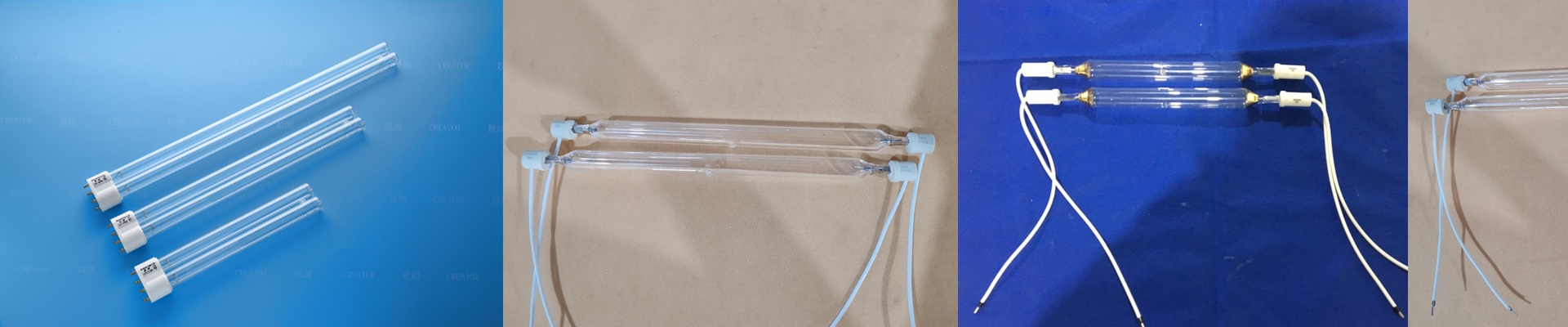
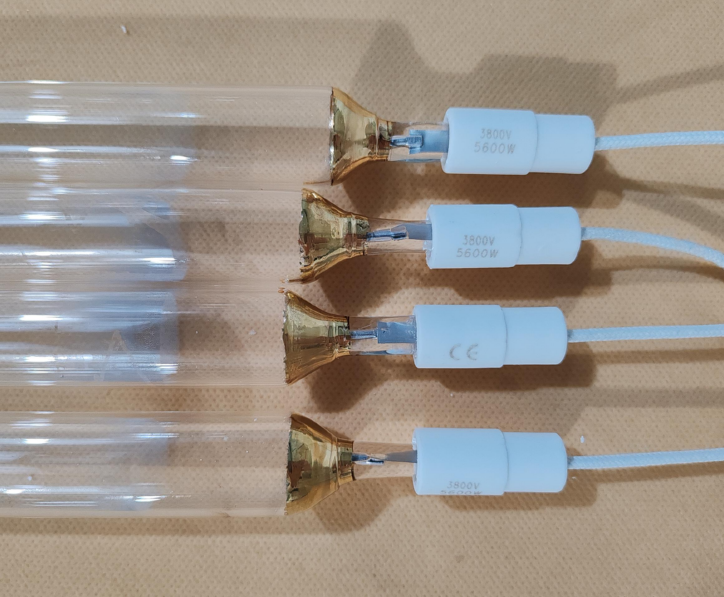
Getting the Most Out of Our 120W/cm Mercury UV Lamps
When you’re running a high-speed curing line, you need a lamp that just works. That’s where our 120W/cm mercury lamps come in. We’ve built these specifically for high-intensity photo-polymerization, focusing the energy right where it counts—mostly on those 254nm and 365nm lines. It’s a bit of a balancing act. You want the throughput to be fast, but you can’t just blast your substrate with heat or you’ll ruin the product. This power density is the “sweet spot” for most medium-wave setups.
Dealing with the Heat
Here’s the thing: 120W/cm is a lot of energy packed into a small space. If you’re using high-speed conveyors, you’ve got to be smart about how you handle that heat. First, check your reflectors. If they aren’t polished aluminum or dielectric-coated, you’re wasting energy. You want that UV light bouncing straight back into the product, not soaking into your machine. And please, don’t skimp on the cooling. If your fans are weak, the lamp runs too hot and your electrodes will burn out way faster than they should. A solid forced-air setup keeps the quartz envelope cool and keeps your downtime low.
Built for Your Gear
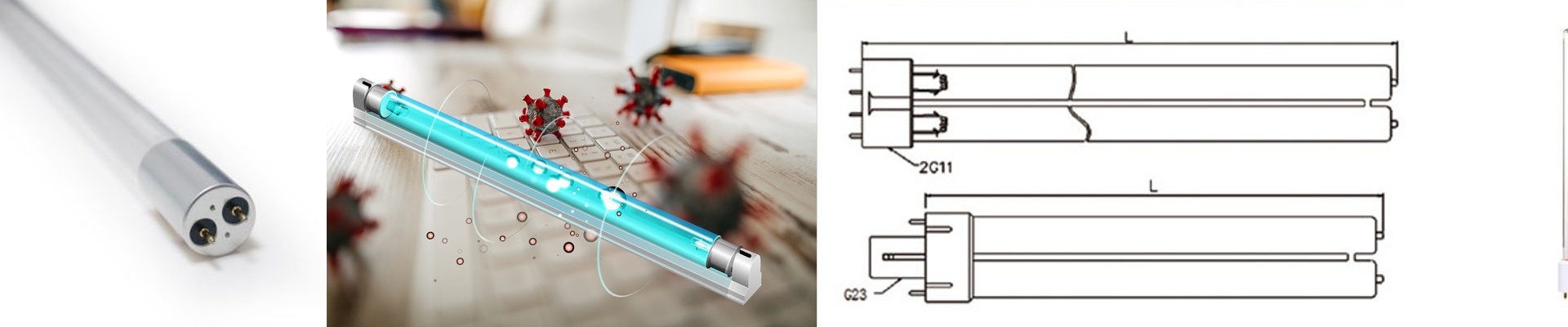
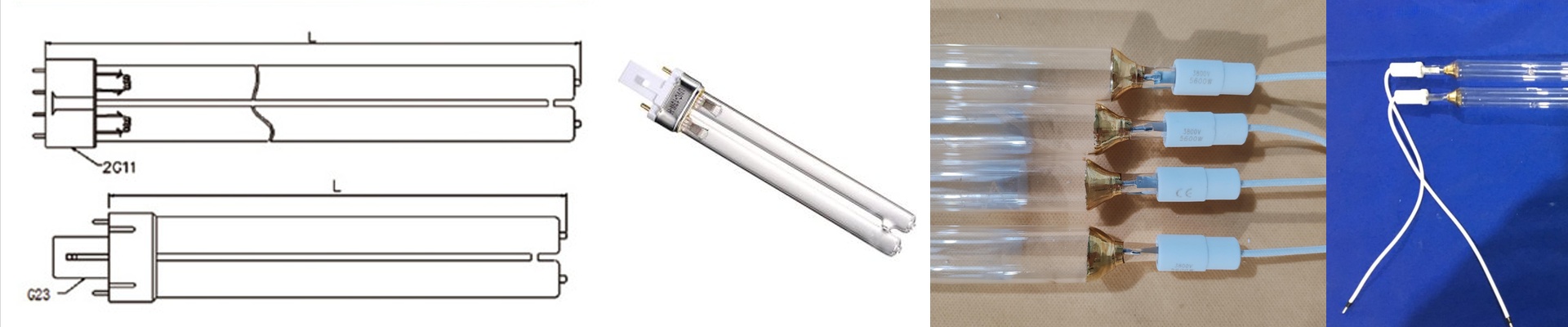
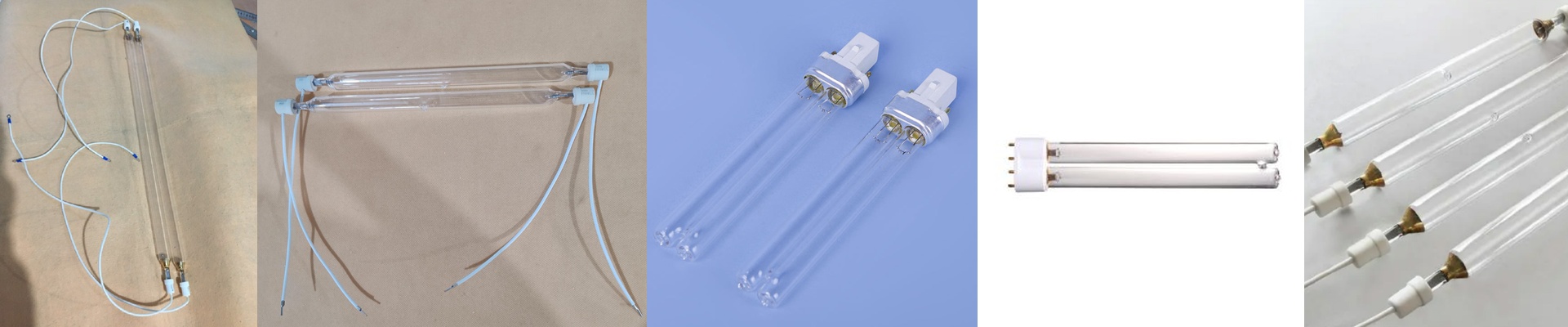
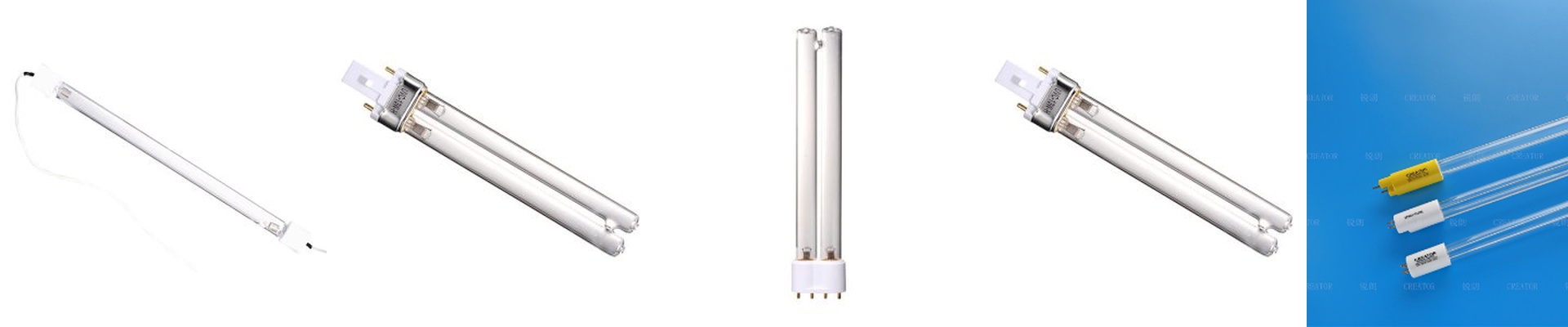
We use high-purity fused quartz because it doesn’t soak up the UV light—it lets it pass through. For the folks we partner with on an OEM basis, we know that “one size fits all” is a lie. Your machine has a specific footprint, and we get that. We can tweak the lamp length, change the end-cap configurations, or handle custom pin layouts. Basically, we do the tooling work so you can slide a replacement lamp into your machine and sell it under your own brand. No need to rip out your entire curing head just to change a bulb.
The Trade-offs
More power means faster curing, but it also puts a lot more stress on your ballast. I’ve seen people try to “save” an old, dying lamp by cranking up the voltage. Don’t do that. You’re just asking for the quartz to crack. The trick is matching the ballast output exactly to the lamp’s impedance. To make it easy, we provide the electrical curves for every batch we ship. Follow those, and you won’t have to deal with annoying flickering or lamps that die prematurely.