Getting Your Textile Line Right with Mercury UV Lamps
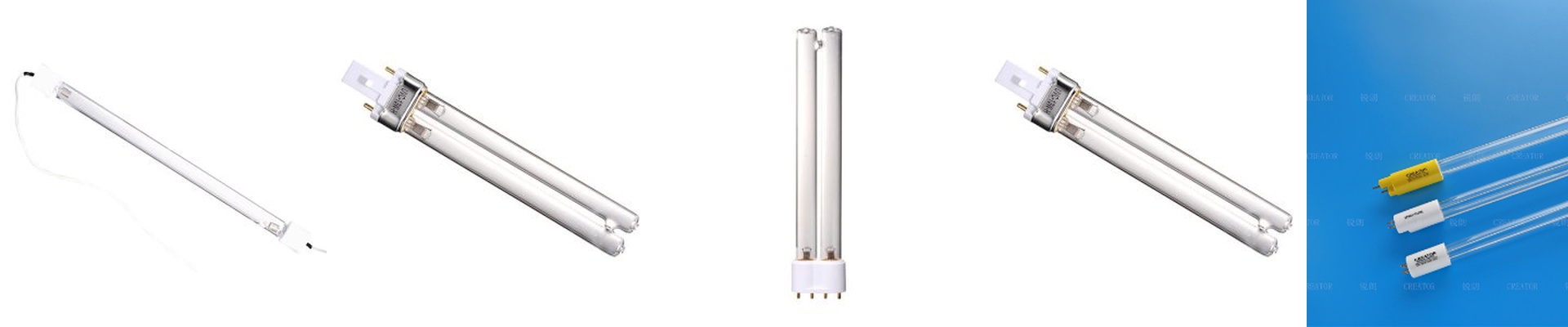
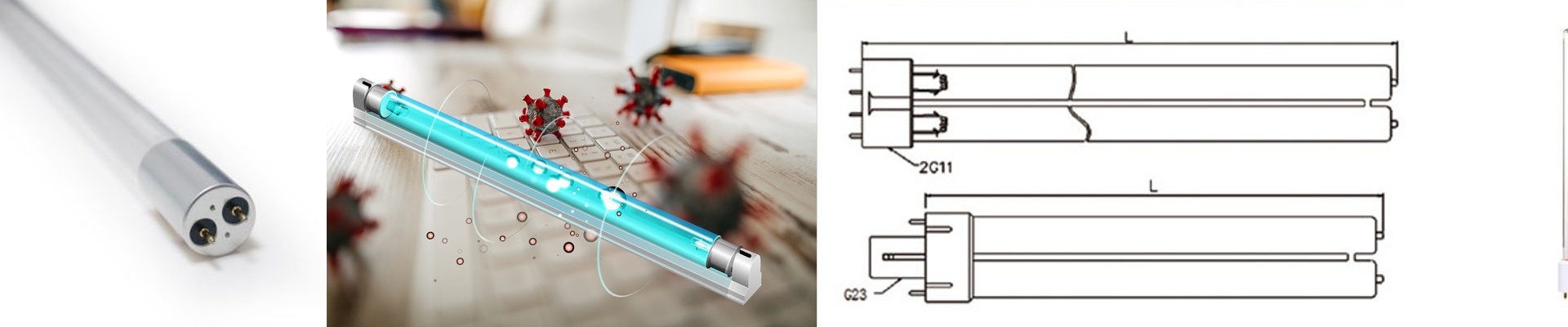
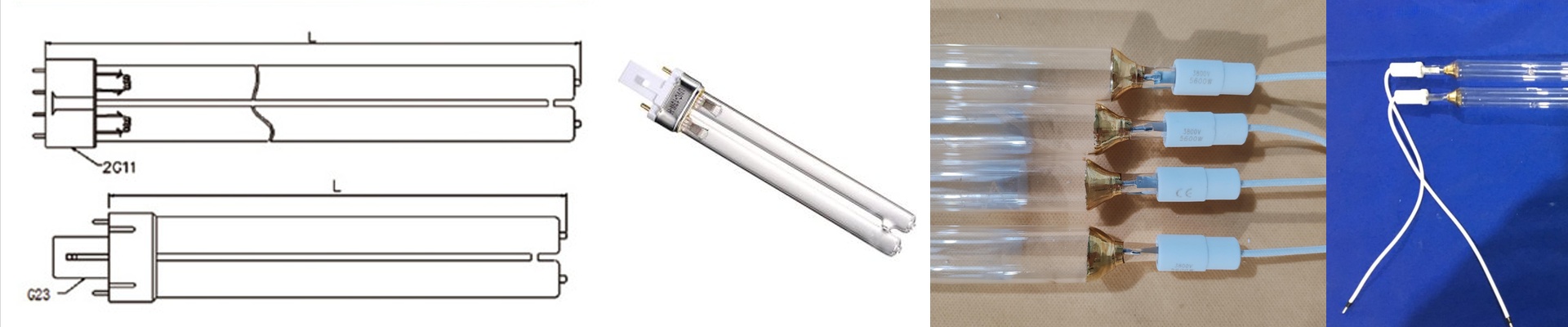
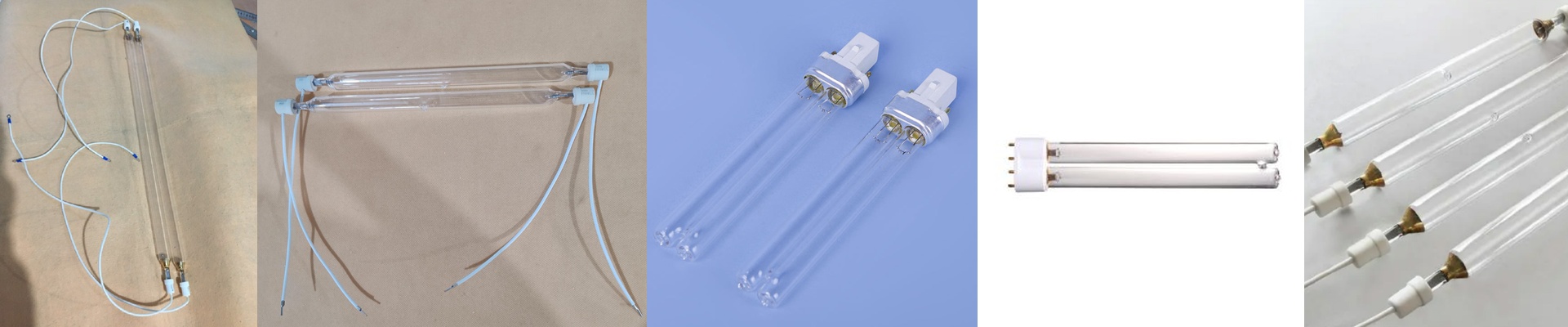
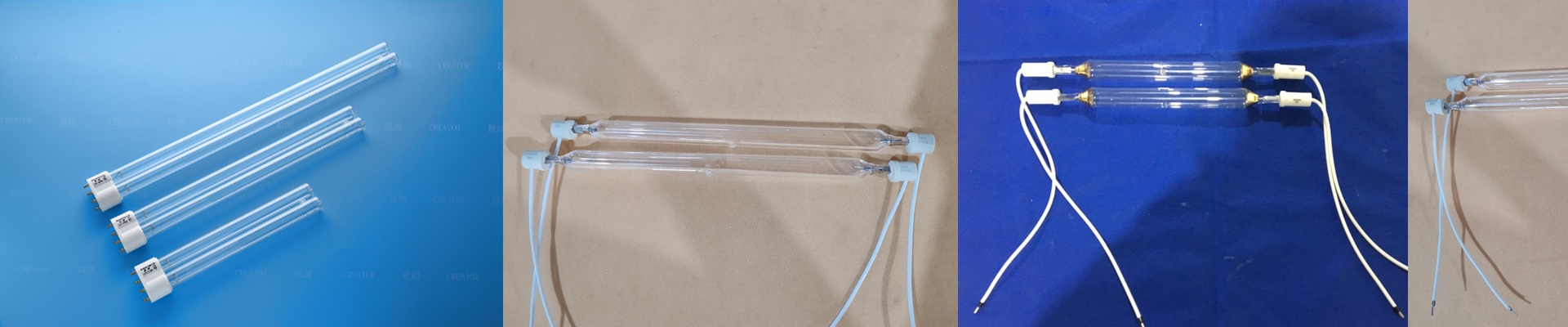
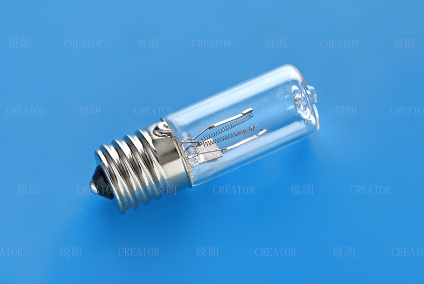
When you look at a finished piece of clothing, you don’t see the UV curing. But it’s basically the secret sauce of the whole operation. We use industrial mercury UV bulbs to make the chemistry happen—whether that’s printing, coating, or the final finish. These aren’t your average light bulbs. They’re high-intensity powerhouses that push out specific wavelengths to snap that ink or coating into a solid state instantly. The nitty-gritty on power Here is how it works: an electric arc jumps through vaporized mercury. Usually, you’ll pick your bulb based on wattage and length so it keeps up with how fast your conveyor belt is moving. Simple math: more wattage means more photons hitting the fabric every second. If you’re running a high-speed line, you need that extra punch. Otherwise, the fabric leaves the tunnel before the ink is actually dry. But there’s a catch. More power means more heat. You’ve got to make sure your cooling system can actually keep up, or you’ll end up scorching your materials. Nobody wants that. Building them to last We use high-purity quartz glass for the tubes because regular glass just blocks the UV. Quartz lets it fly right through. And then there’s the pressure. We tune the mercury pressure inside the bulb to match the specific photoinitiators in your inks. If that wavelength is even slightly off, you get “surface cure.” That’s the nightmare scenario where the top looks dry to the touch, but the bottom is still a sticky mess. Where this actually happens You’ll mostly see these lamps in three spots:
- Digital printing (for that instant dry).
- Adding functional coatings, like waterproofing or flame retardants.
- High-volume screen printing. Factory life is brutal. These things run 24/7, so we obsess over the electrode materials to stop them from burning out too early. Plus, when you buy them in bulk lots, you get a consistent output across the whole tunnel. It saves you from those annoying “zebra stripes” or weird uneven patches on your fabric. It just works.