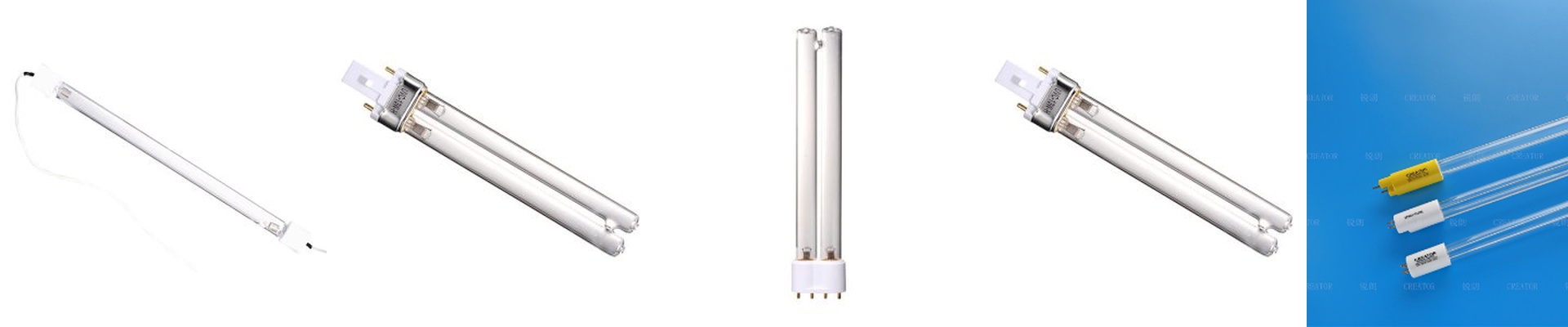
Stop Reselling and Start Owning Your UV Brand
Most people in the UV world start the same way: buying generic tubes and flipping them for a profit. It works for a while. But if you actually want to build a brand—something people trust and recognize—you have to stop settling for “off-the-shelf.” You need to call the shots on the technical side. That’s where we come in. We provide the heavy lifting and the factory floor so you can design mercury UV bulbs that actually fit your specific machines and your specific customers.
Getting the Power Right
Here’s the thing about industrial mercury bulbs: it’s all a balancing act. You’re juggling gas pressure and electrode materials just to keep that arc stable. When we work together on your line, you pick the wattage and voltage. Now, it’s tempting to just crank up the wattage to get faster curing or stronger sterilization. But be careful. More power means more stress on the ballast. If your power supplies can’t handle that initial spike during ignition, your bulbs are going to burn out way too fast. And trust me, you don’t want those support emails.
The Glass Matters (More Than You Think)
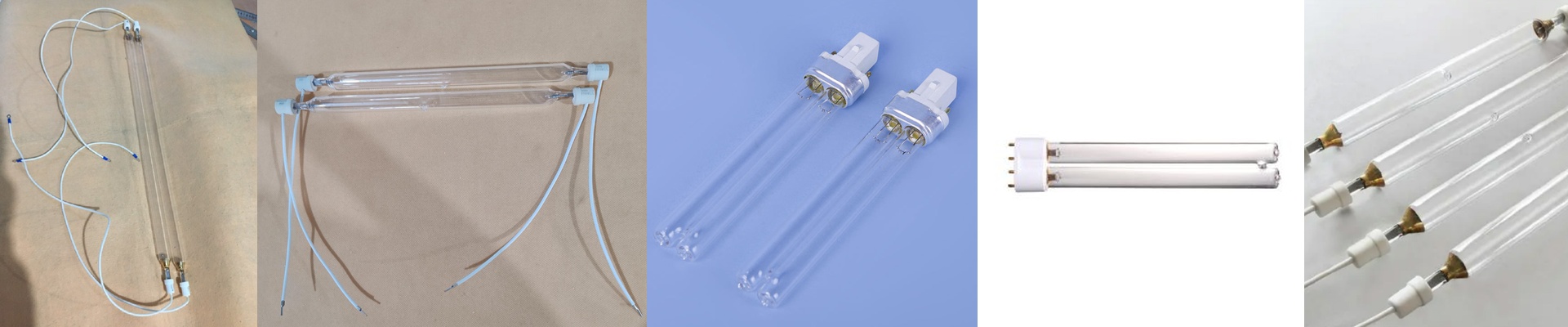
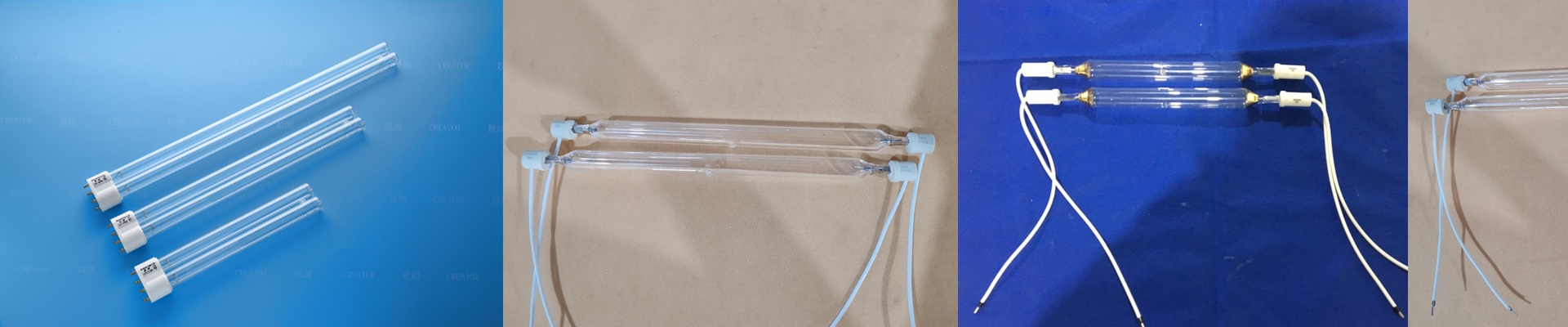
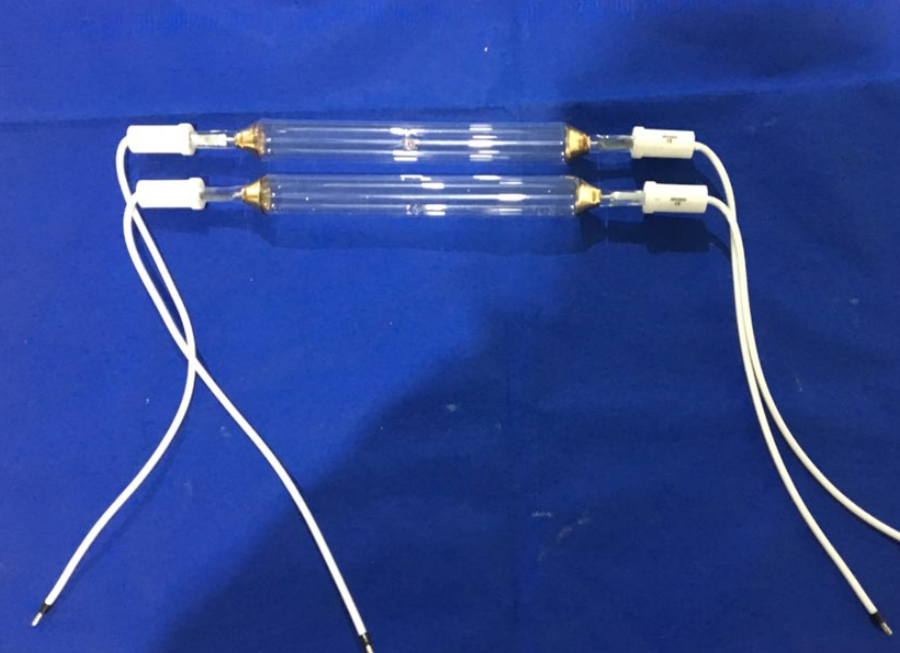
I see a lot of brands trip up when it comes to the quartz. If the glass isn’t pure, your UV transmission drops, and you’re wasting energy. We use high-purity fused quartz so the light actually gets out of the tube. If your customers are running these in high-heat environments, we can thicken the walls to keep them from cracking. We can even add special coatings to shift the light spectrum. It’s a trade-off, though. A specialized coating might make a specific resin cure like magic, but it could shave some time off the lamp’s total life. You just have to decide what your customers value more: raw speed or longevity.
Making it Work in the Real World
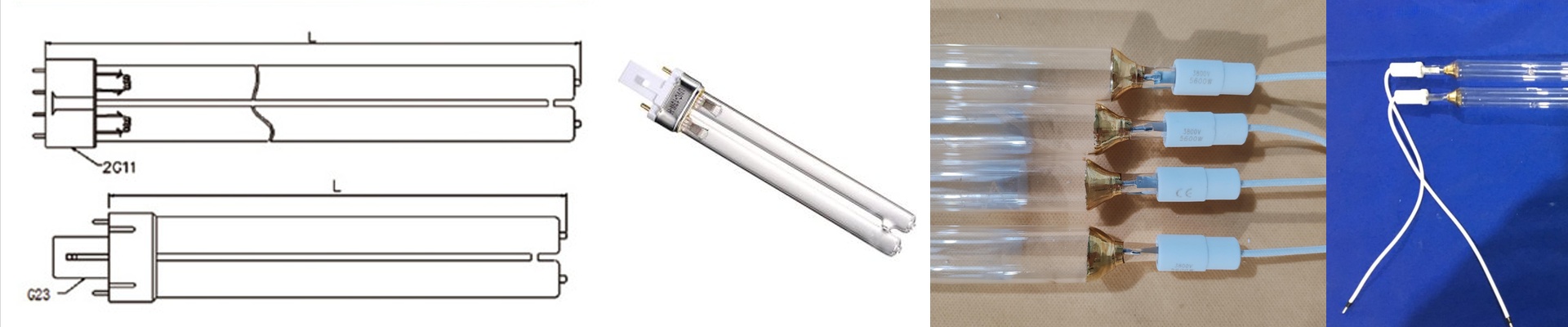
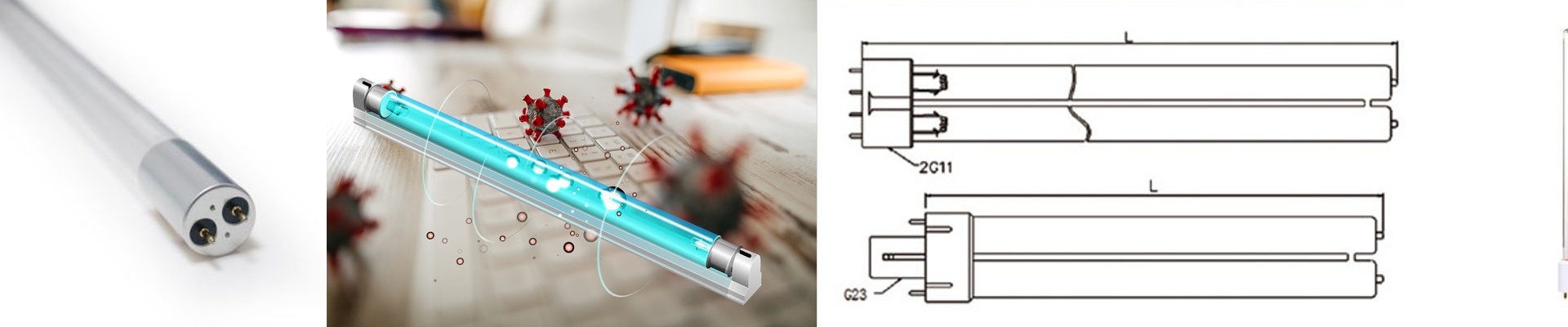
Building a brand isn’t just about slapping a logo on a cardboard box. It’s about the stuff that happens when the customer opens the package. You tell us the footprint and what connectors you’re using, and we’ll make sure the bulb is a perfect drop-in replacement. No fiddling, no forcing things to fit. We handle the boring stuff—the certifications and the technical paperwork—so you don’t have to. One quick heads-up: if you ask for incredibly tight tolerances on the tube length, the scrap rate at the factory goes up. That’s just physics. And when more tubes get tossed, your cost per unit climbs. It’s worth thinking about where you can be flexible to keep your margins healthy.