Keeping Your Printed Fabrics Clean with UV-C
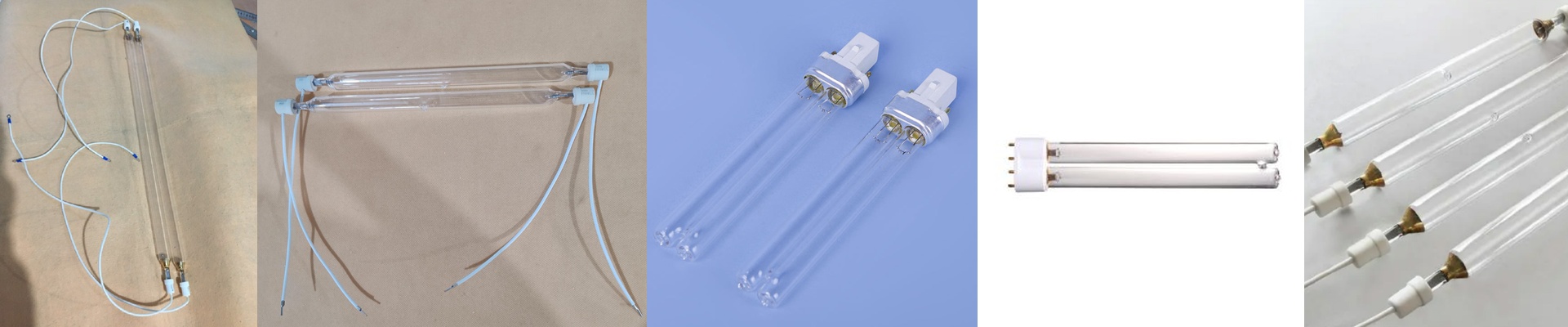
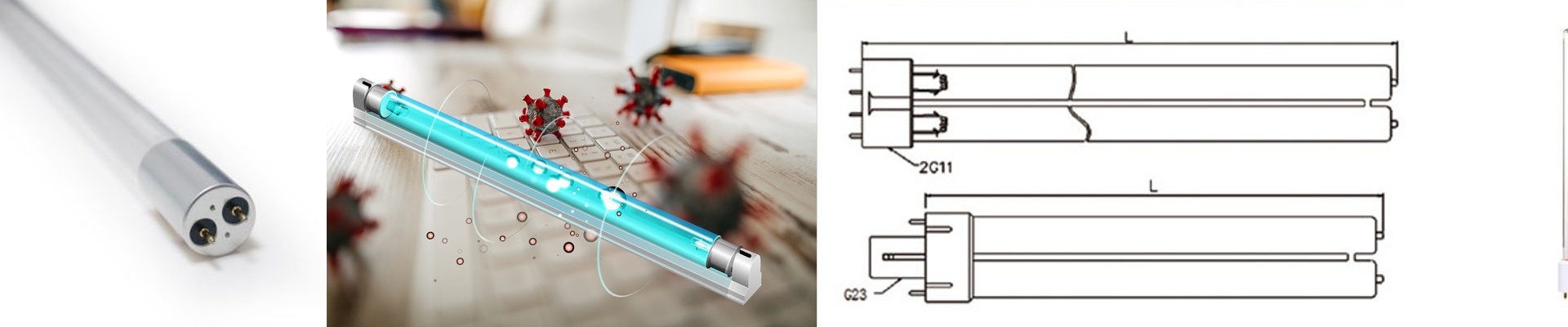
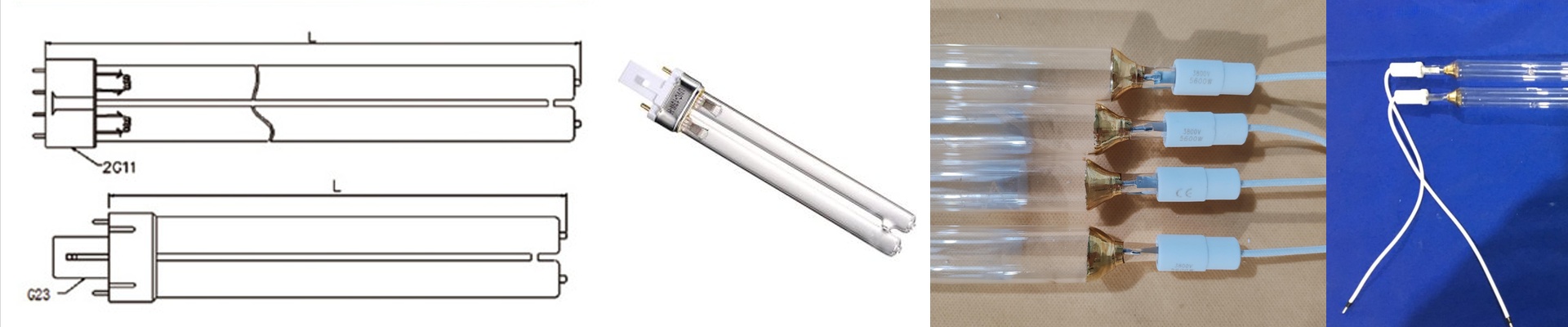
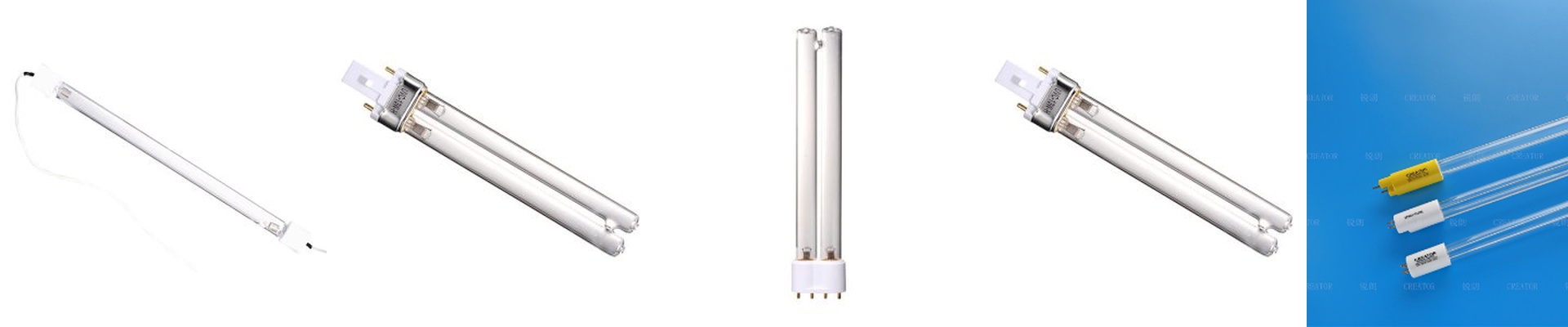
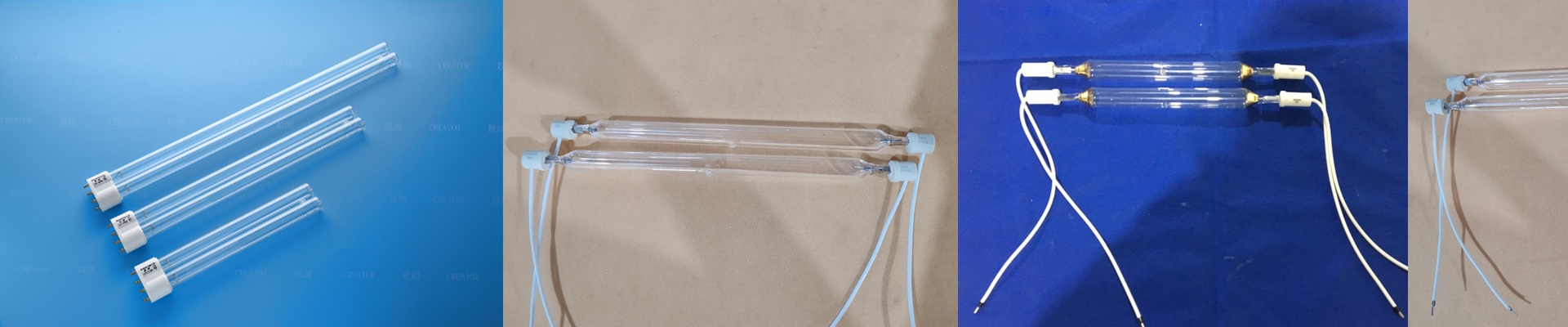
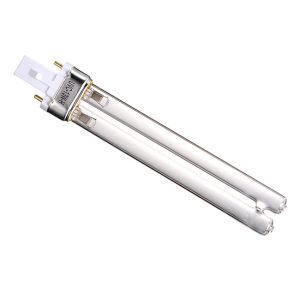
We make the kind of heavy-duty UV bulbs that keep industrial lines running. In the world of textile printing, these lamps aren’t just about killing germs. They’re your insurance policy. They stop microbes from sneaking in during curing and finishing, which means you don’t have to worry about a batch of high-end prints getting ruined by biological gunk. The technical side of things These bulbs hit a sweet spot around 253.7 nm. That’s the wavelength that actually breaks down DNA. Here’s the thing: when you’re buying these in bulk for a production line, consistency is everything. You can’t have one bulb pulling less power than the others, or you’ll end up with “cold spots” on your fabric. That leads to uneven sterilization. We keep our tolerances tight so you can keep your conveyor moving at full speed without worrying about the UV dose dropping off. Dealing with heat and glass We use fused quartz for the tubes. Why? Because regular glass just blocks UV-C. Quartz lets it fly right through. But these things get hot. Really hot. If your housing doesn’t have good airflow, that heat builds up and can mess with the light output or kill the lamp early. You also have to find a balance between the UV intensity and how your specific ink or fabric handles heat. If you push it too far, you’re looking at yellowing or shrinkage. Nobody wants that. Getting them to work for you Setting these up on a textile line is all about the spacing. We’ve made ours easy to swap into standard fixtures, so you aren’t rebuilding your whole rig just to change a bulb. One pro tip:keep the quartz sleeves clean. Dust and fabric lint are like a shield for bacteria—they block the rays. If the tubes are dirty, you’ll be tempted to run the lamps longer, which just burns them out faster. Oh, and make sure you’re using a stable ballast. It stops the flicker and keeps the electrodes from giving up the ghost too soon.