Getting Your UV Curing Just Right
If you’re printing on textiles, you know the struggle. You need those photo-initiators to kick in fast, but there’s a fine line between a perfect cure and accidentally scorching your fabric. We built our modular lamp systems to help you hit that sweet spot. It really comes down to balancing how much light hits the ink with how fast your conveyor is moving.
Playing with Power and Layout
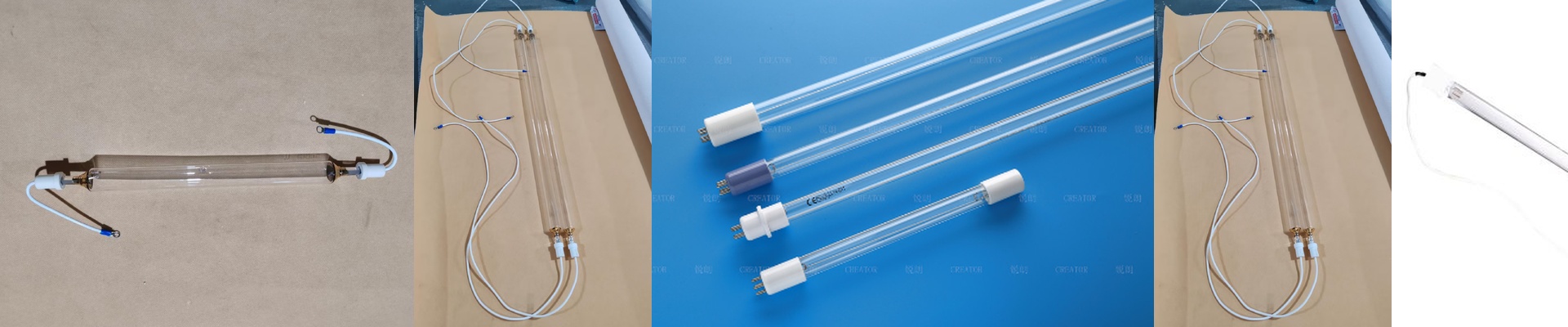
The beauty of a modular setup is that you aren’t stuck with one setting. You can scale the UV output based on how thick your ink is or how much the fabric “soaks up” the light. Here is the trick: group your lamps in stages. You can hit the fabric with a high-intensity burst first to get that surface tack, then follow it up with lower-intensity modules to bake the deeper layers. It stops “skinning”—that annoying problem where the top looks dry, but the ink underneath is still a gooey mess.
Dealing with the Heat
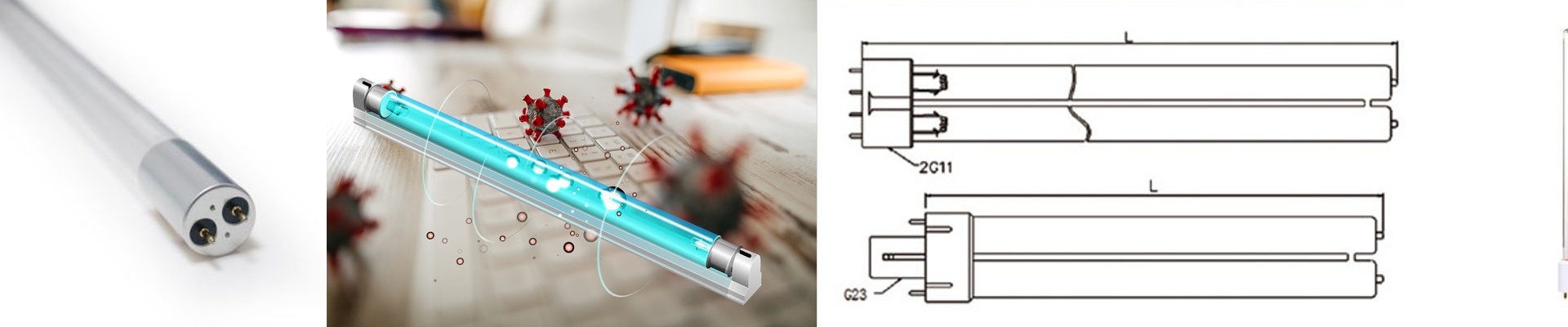
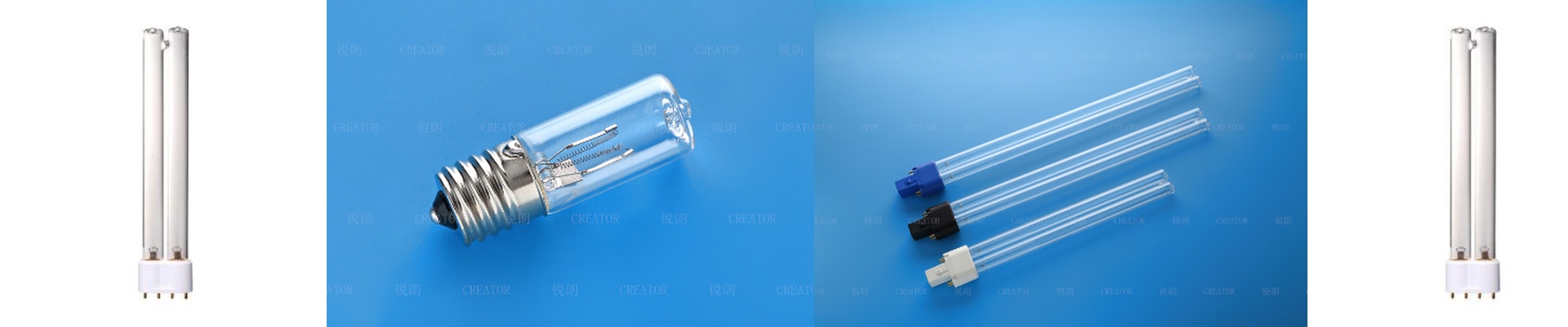
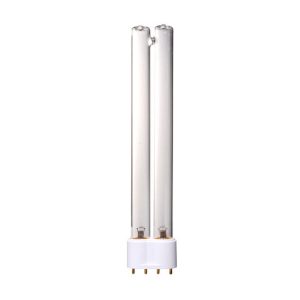
We use high-output bulbs and specialized reflectors to keep the beam tight and focused. Just a heads-up: these things pull a lot of power. Make sure your power supply can handle the initial strike voltage when the lamps kick on. But the real enemy here is heat. While the UV light does the work, the infrared byproduct can actually shrink or warp synthetic fibers. To stop that, we use forced-air cooling or water-cooled jackets to pull the heat away from the cloth. If your cooling isn’t up to the task, you’ll start seeing heat streaks in your prints. Not a great look.
Keeping Things Running
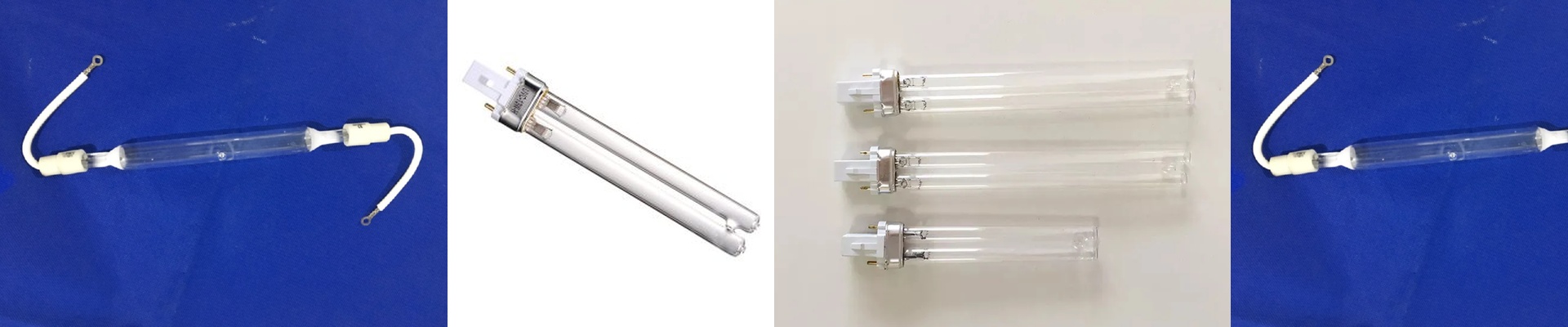
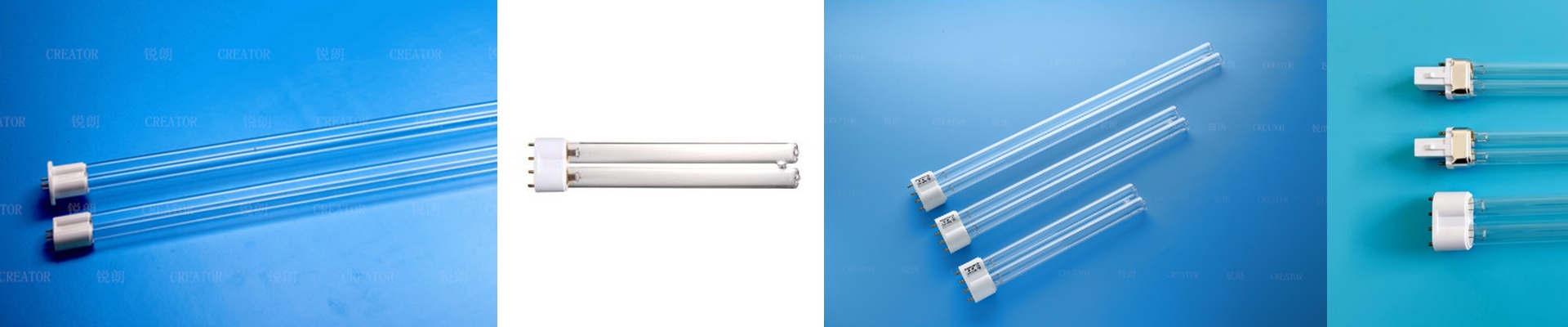
We hate downtime as much as you do. That’s why we made these systems easy to swap. When a bulb finally gives up, you shouldn’t have to tear apart your entire production line. The frames are designed for quick, drop-in replacements, and the connectors are standard so you aren’t guessing with the wiring. One thing to remember: UV bulbs lose their punch over time. After a few thousand hours, you’ll notice the output dipping. We suggest putting a radiometer at the end of your line. Once the numbers drop below your threshold, just swap the module. It’s the easiest way to make sure your print quality stays consistent.