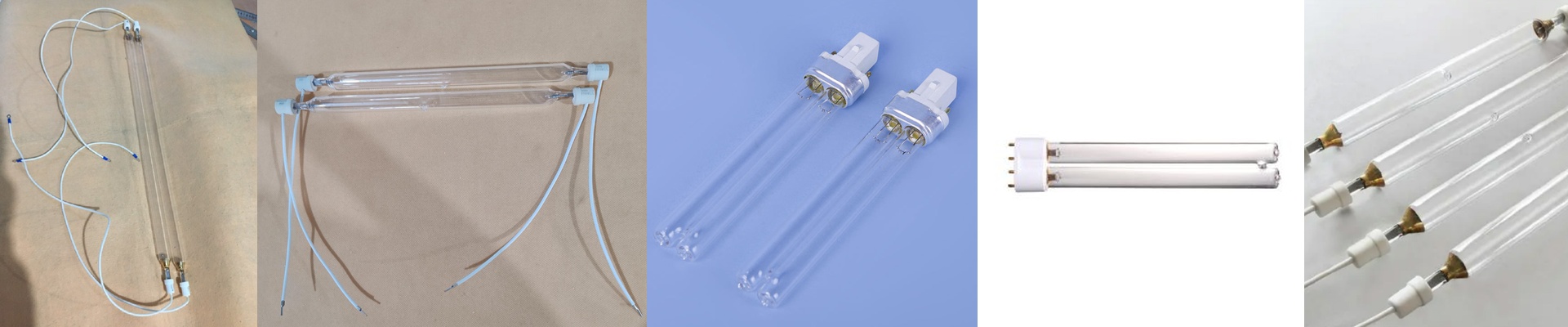
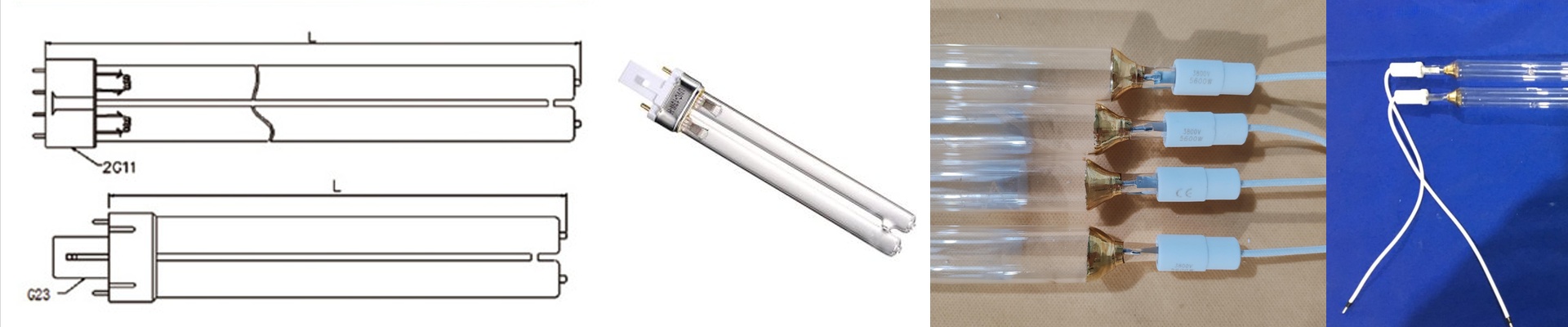
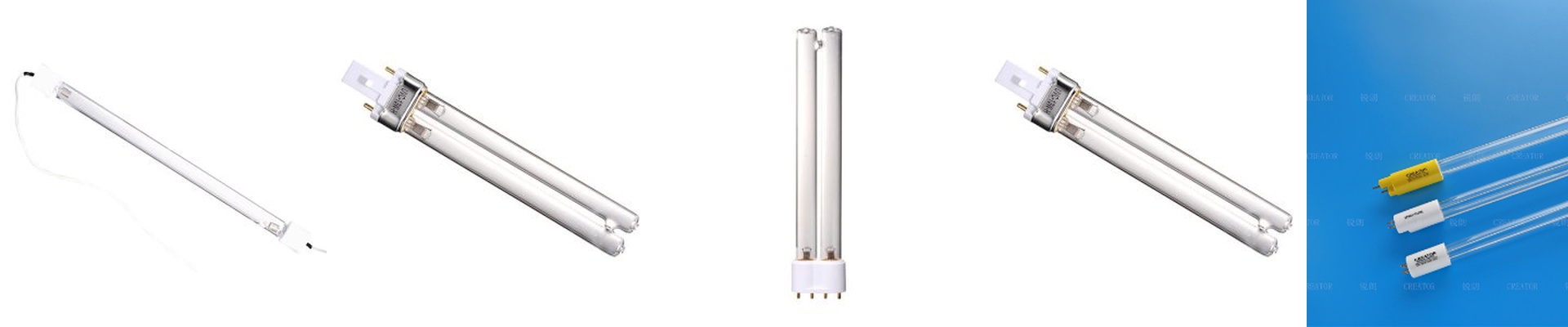
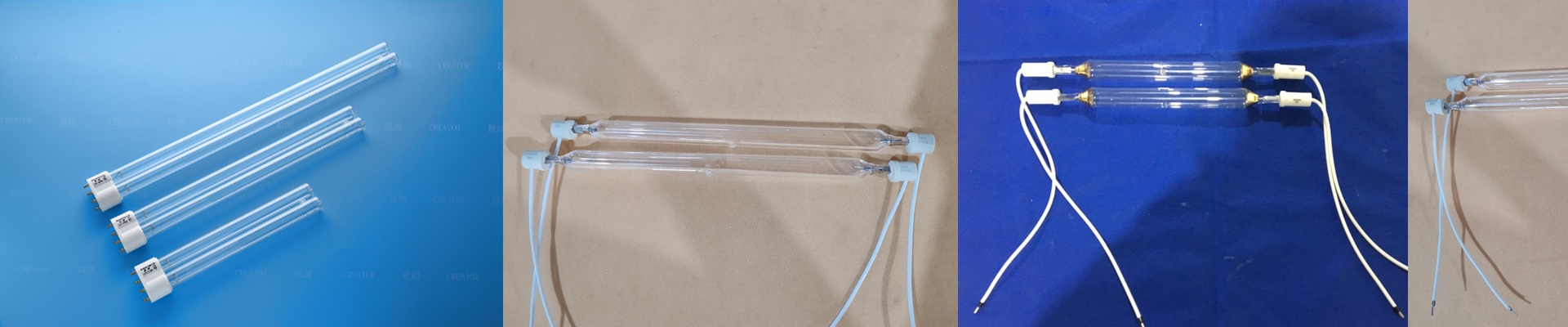
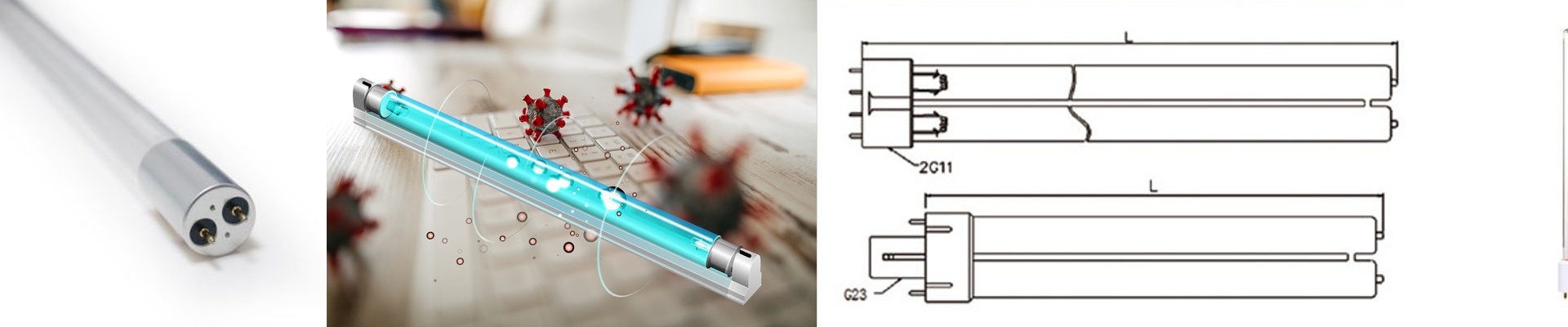

Out on the floor, the UV curing line isn’t just another printer. It’s the bottleneck that decides whether a shipment makes the cut—or sits. For packaging that’s got to survive cross-border logistics, one unplanned stop can snowball into missed cut-offs, compromised protective coatings, and cartons that get rejected. The failure point often isn’t the lamp. It’s the interface that delivers power and control. What matters, technically The 4-pin UV lamp connector is built for high current and reliability in mercury vapor lamp systems. It carries the ignition potential and arc current while keeping pin alignment intact, even under vibration. Keep the lamp socket stable, and you preserve spectral output and peak irradiance—the two things that drive photoinitiator activation and the cross-linking density of UV inks and coatings. A loose or oxidized pin changes the electrical path. You’ll see arc drift, flicker, and uneven curing energy density. The payoff is inconsistent surface cure and substrate that stays undercured—exactly what packaging can’t tolerate when it has to handle shock, compression, and moisture. Why it holds up in real packaging work If you’re upgrading for logistics safety, you need curing that repeats, shift after shift. With a 4-pin connection, the lamp gets consistent power, so the UV system holds the required dose at the web surface: stable wavelength coverage, predictable reflector efficiency, and repeatable mJ/cm² delivery. That repeatability translates into uniform barrier properties and adhesion. Protective coatings don’t crack or delaminate in transit. Fewer lamp-current fluctuations mean fewer aborted jobs, less scrap, and a curing line that keeps pace with high-speed presses. Here are the practical details you can’t skip Match the 4-pin pinout and spacing to the lamp holder, and confirm compatibility with the igniter and ballast specs. Make sure the connector rating exceeds the lamp’s operating current, and use anti-vibration strain relief to prevent intermittent contacts. In ozone-free or low-ozone systems, check that the materials are rated for the lamp environment. Keep the connection clean—oxidation on the pins is the fastest way to degrade spectral stability and cut effective lamp life.