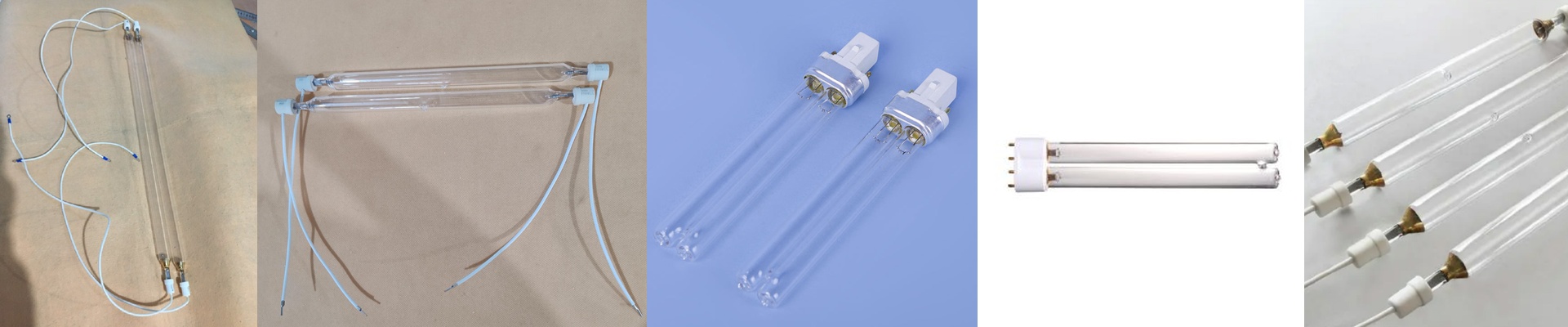
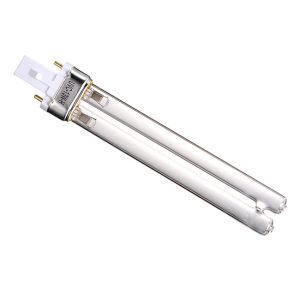
Picking the Right UV Lamp for Water Treatment: It’s All About Matching Power
When it comes to UV water treatment, the whole point is disinfection. But nailing the right UV lamp isn’t just about grabbing any bulb and hoping for the best. It’s about matching the power to your system so you get the right punch for the water flow you’re handling. Get it wrong, and you’re either wasting energy or, worse, not killing the germs you need to.
Power, Voltage, and Fit: The Real Deal
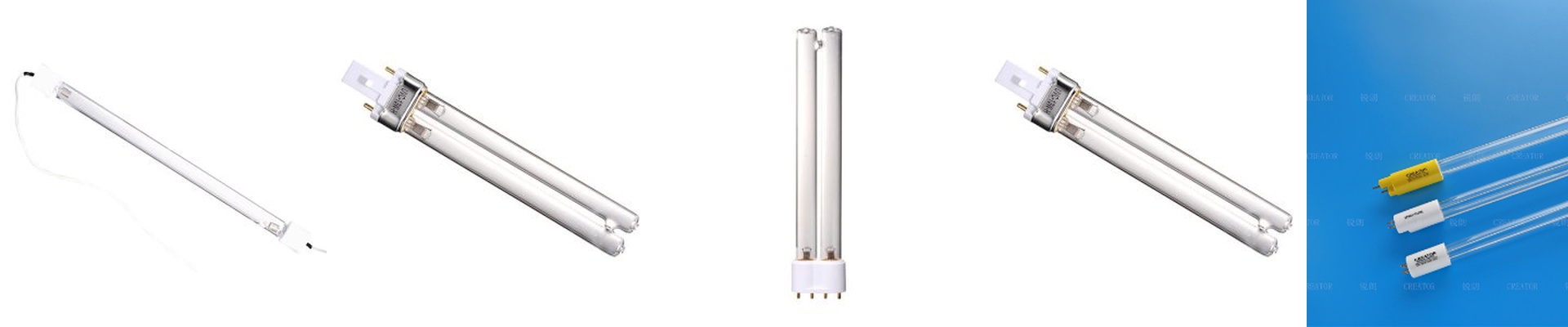
UV lamp power directly affects the UV-C output—the stuff that actually does the disinfecting. Think of it like this: the higher the wattage, the stronger the dose. If you’re running a lot of water, or the water is a bit murky, you’ll need that extra muscle. Voltage matters, too. It has to line up with your power supply. If you hook up a 400V lamp to a lower voltage, the arc inside won’t get hot enough, and the lamp just won’t hit its stride. And the physical size? Absolutely critical. A 300mm tube, for example, is built to fit a specific chamber. The length also affects how long the water is exposed to the UV. Too short a chamber for the lamp, and you lose efficiency. Too long, and you’re wasting space and money.
Materials and Design: Why the Little Stuff Counts
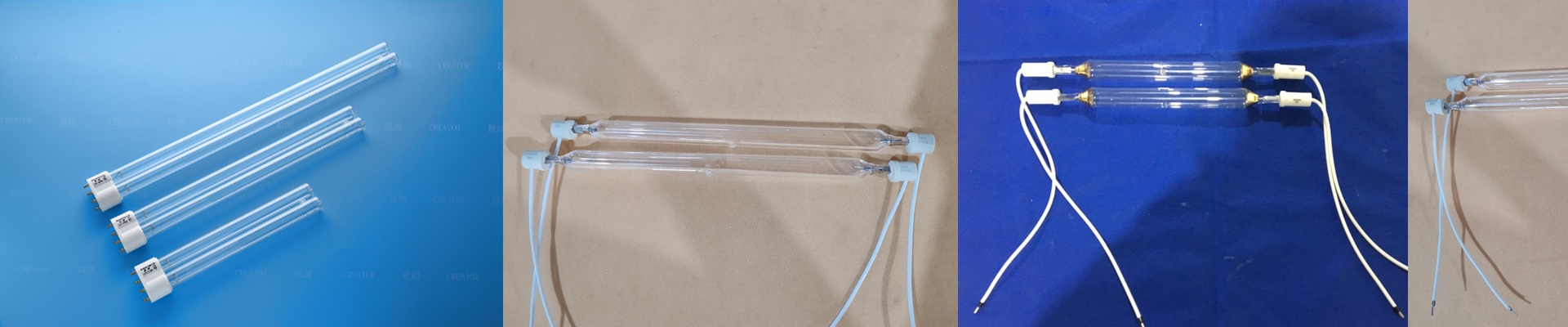
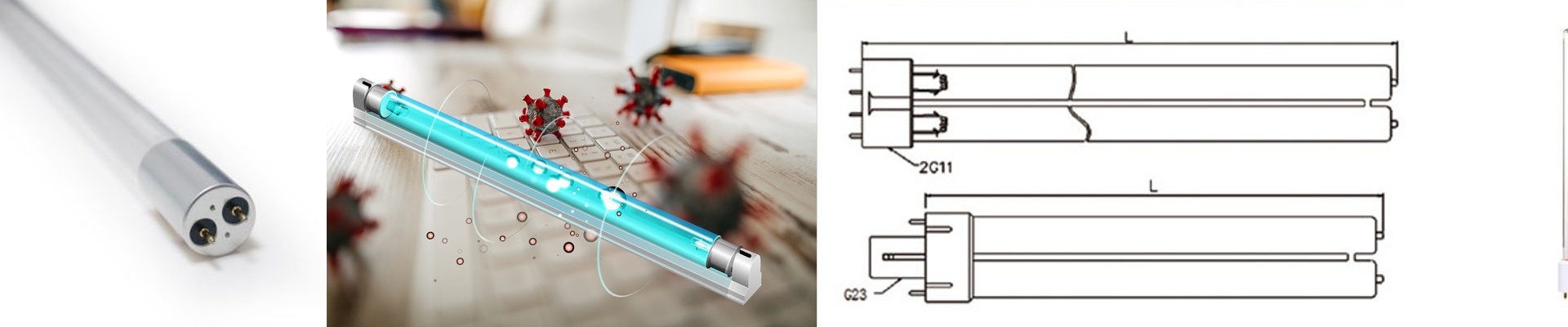
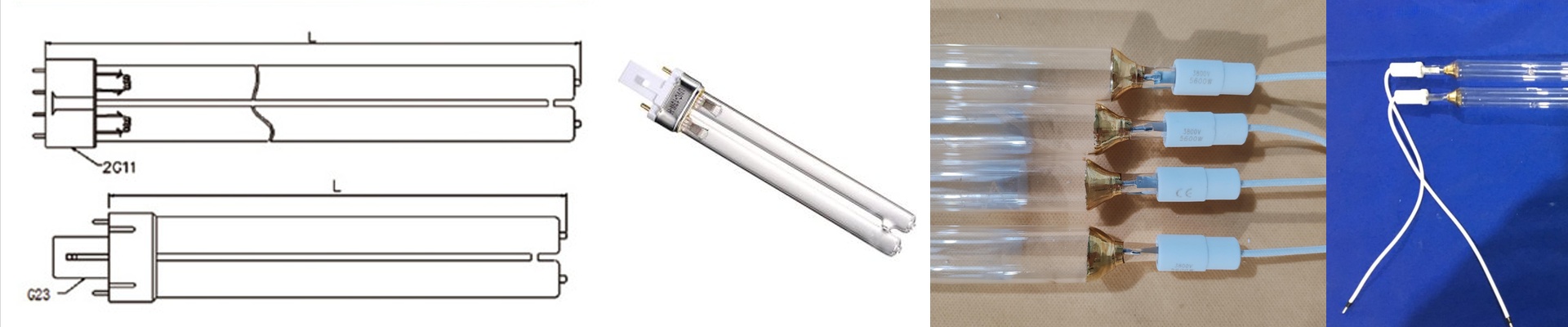
We use quartz glass for the tube because it lets UV-C pass through cleanly and handles the heat without breaking a sweat. Inside, there’s a special coating that keeps the UV output steady over the lamp’s life. Without it, the output would fade fast as the electrodes wear down. Then there are the connectors—R7s, Sk15—these aren’t picked at random. They’re built for high current and high heat, and they stay tight even with the daily on-off cycles. A shaky connection here can cause voltage drops, flickering, and a lamp that burns out way too soon.
What This Means for Your System
In water treatment, you want consistent, high-intensity UV exposure. The lamp setup we’re talking about delivers just that—dense heat and steady output, packed into a small footprint. But here’s the trade-off: high power means high heat. Your system needs proper cooling—water or air—to keep the chamber temperature in check. If things overheat, the lamp output drops, and the electronics can go sideways. So, the payoff is simple. You wire it up, make sure the cooling is right, and the lamp performs exactly as rated. It’s a true drop-in replacement that respects the physics of disinfection, not just a bulb you swap out.
The Engineered Heart of the Lamp
At the core is a high-purity quartz envelope. It’s there because it transmits that crucial 254nm UV-C wavelength with almost no loss. Inside, the amalgam coating does the heavy lifting, managing the mercury vapor pressure so the lamp keeps its intensity hour after hour, even after thousands of them. And those connectors? They’re purpose-built. They handle the high current at high temperatures, giving you a secure, low-resistance connection that can take the wear and tear of daily use. This kind of design prevents hot spots and voltage dips that would otherwise kill the lamp early.
Making It Work for You
Matching the UV lamp to your water treatment system comes down to matching the lamp’s power to the water’s flow and quality. When you get it right, the microbes get the dose they need, plain and simple. The upside? It’s a drop-in replacement that fits standard chambers. The high output lets you use a smaller chamber, which saves space. And when it’s time to replace a lamp, it’s a quick swap. Just remember—high power means high heat. Your cooling system has to be up to the task. Treat your cooling spec with the same seriousness as your lamp spec.