Built for the Factory Floor: The Real-World Design Behind UV Curing Lamps for Mobile Screens
We spent time on the floor—across 3,000 printing plants—and heard the same frustration over and over. UV curing lamps that give up too soon, or just can’t hit the energy needed for today’s mobile screen adhesives. So we built a UV lamp the way factories actually run: tough, steady, and designed to earn its keep shift after shift.
Power, voltage, and size—chosen for the line, not the lab
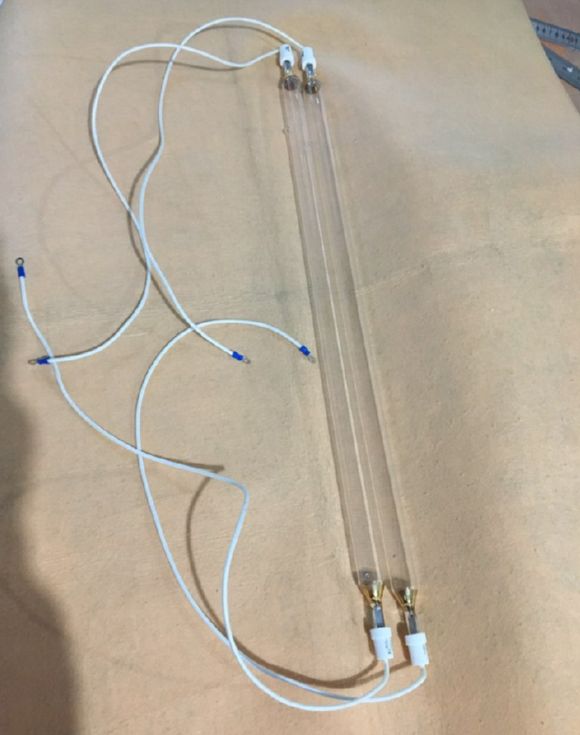
The specs aren’t random: 400V, 2500W, with a 300mm active arc length. Why 400V? It keeps ignition solid and the arc stable, even when the plant’s power dips. That means less flicker—and more consistent curing. Why 2500W in that 300mm window? Because modern adhesives on glass and PET need real heat density, delivered fast. The result is a quick, even cure without cold spots. One thing to know: this lamp runs hot. So you’ve got to plan cooling—airflow or water-cooling—to keep everything in range.
The guts: materials chosen to survive the grind
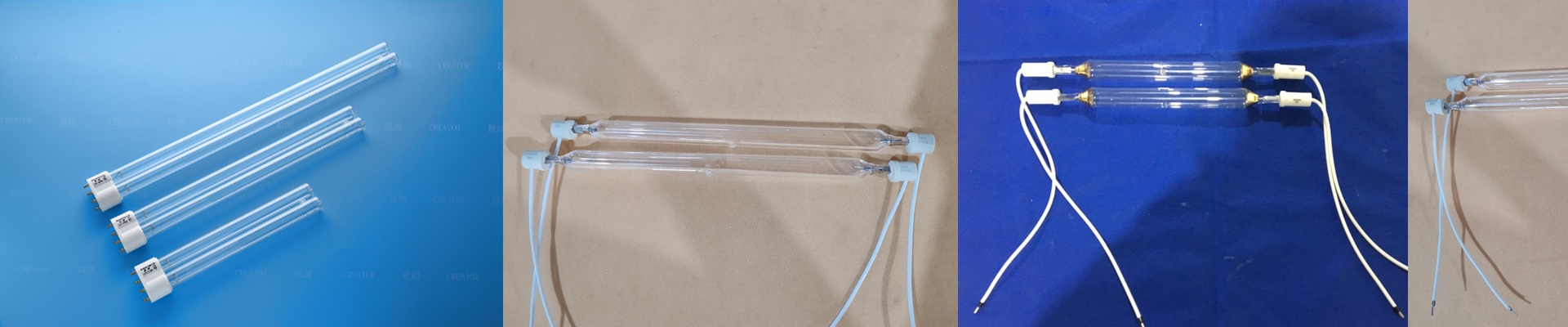
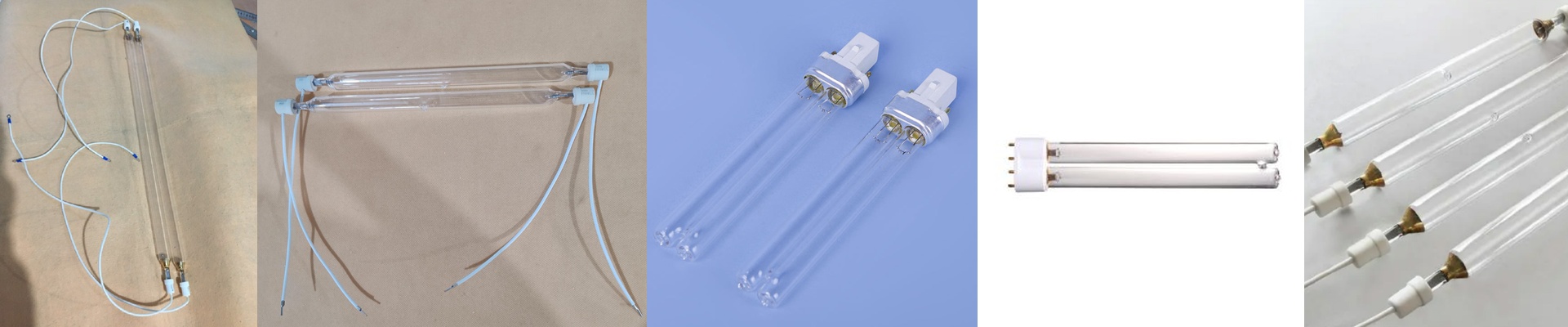
We use a halogen-filled quartz tube. It keeps the filament steady and handles thermal shock without blinking. The internal halogen cycle fights blackening, so output stays consistent through long runs. No drift. No surprises. The quartz also carries a shortwave-optimized coating. It shapes the spectrum to match the adhesive’s photo-initiators, so the cure actually “takes.” And the R7s connector? It’s practical. It handles high current, locks alignment, and makes lamp swaps quick during maintenance. No fuss.
What it feels like on the bench: fast, repeatable, and space-smart
For mobile screen repair and assembly, this lamp is about repeatable curing on small, dense parts. The shortwave output sets adhesives quickly, so cycle time drops. The footprint is compact, so it fits into tight rework stations without forcing you to redesign the line. But there’s a trade-off: heat. You have to manage reflector geometry and cooling so nearby plastics don’t warp. When you get the balance right, the lamp holds steady intensity, cuts rejects, and keeps going through the daily grind. It’s the kind of reliability you can feel when the station stays calm—even when the day is anything but.